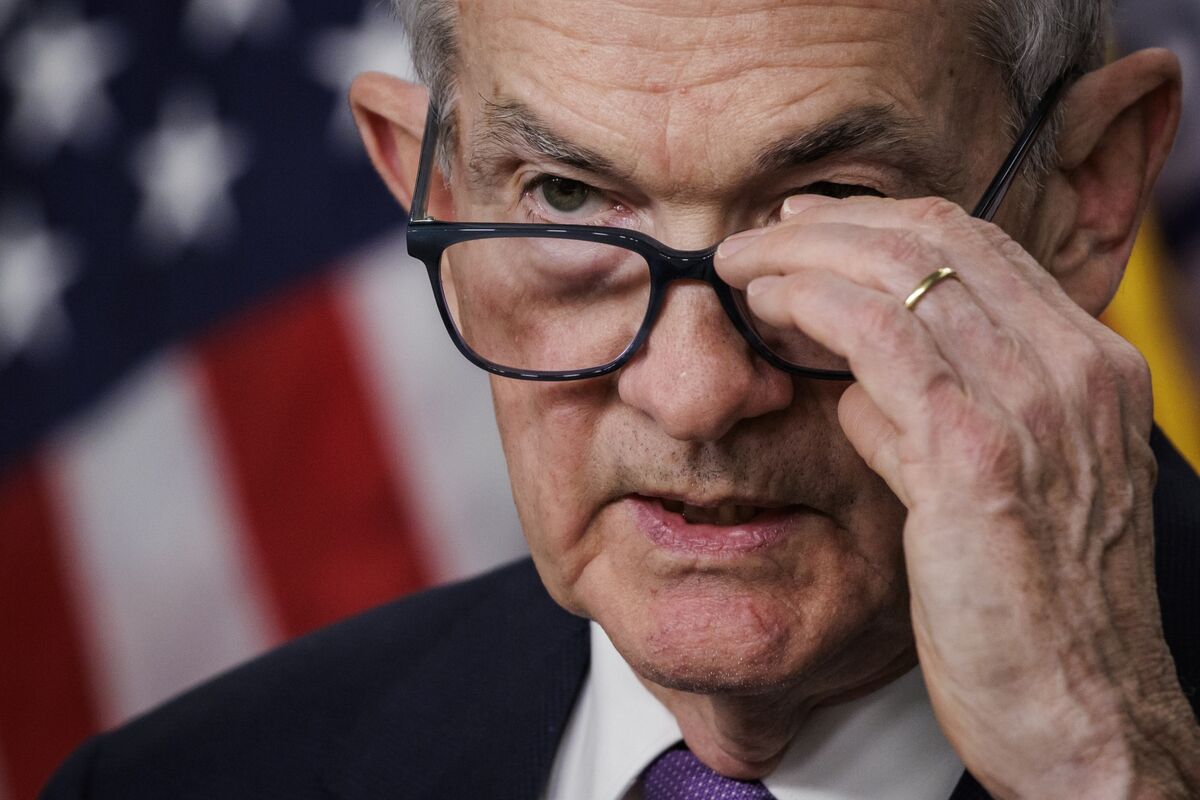
Speculation regarding President Trump's potential unprecedented firing of Federal Reserve Chair Jerome Powell is roiling markets, as such a move would mark a historical first. This action would almost certainly trigger a landmark lawsuit, likely decided by the US Supreme Court, injecting significant political and economic uncertainty into the financial landscape.
Heightened speculation surrounding the potential termination of Federal Reserve Chair Jerome Powell by the President is injecting significant uncertainty and volatility into the financial markets. This development is perceived as strongly negative, reflected in a sentiment score of -0.75, and carries a high market impact score of 0.9, indicating its systemic importance. Such an action would be unprecedented in U.S. history, directly challenging the long-held principle of central bank independence. The immediate consequence would almost certainly be a landmark lawsuit destined for the Supreme Court, creating a prolonged period of legal and political gridlock. This scenario introduces a severe institutional risk, intertwining monetary policy with political and legal crises, which explains why the mere possibility is already roiling markets.
AI-powered research, real-time alerts, and portfolio analytics for institutional investors.
Request DemoOverall Sentiment
strongly negative
Sentiment Score
-0.75
