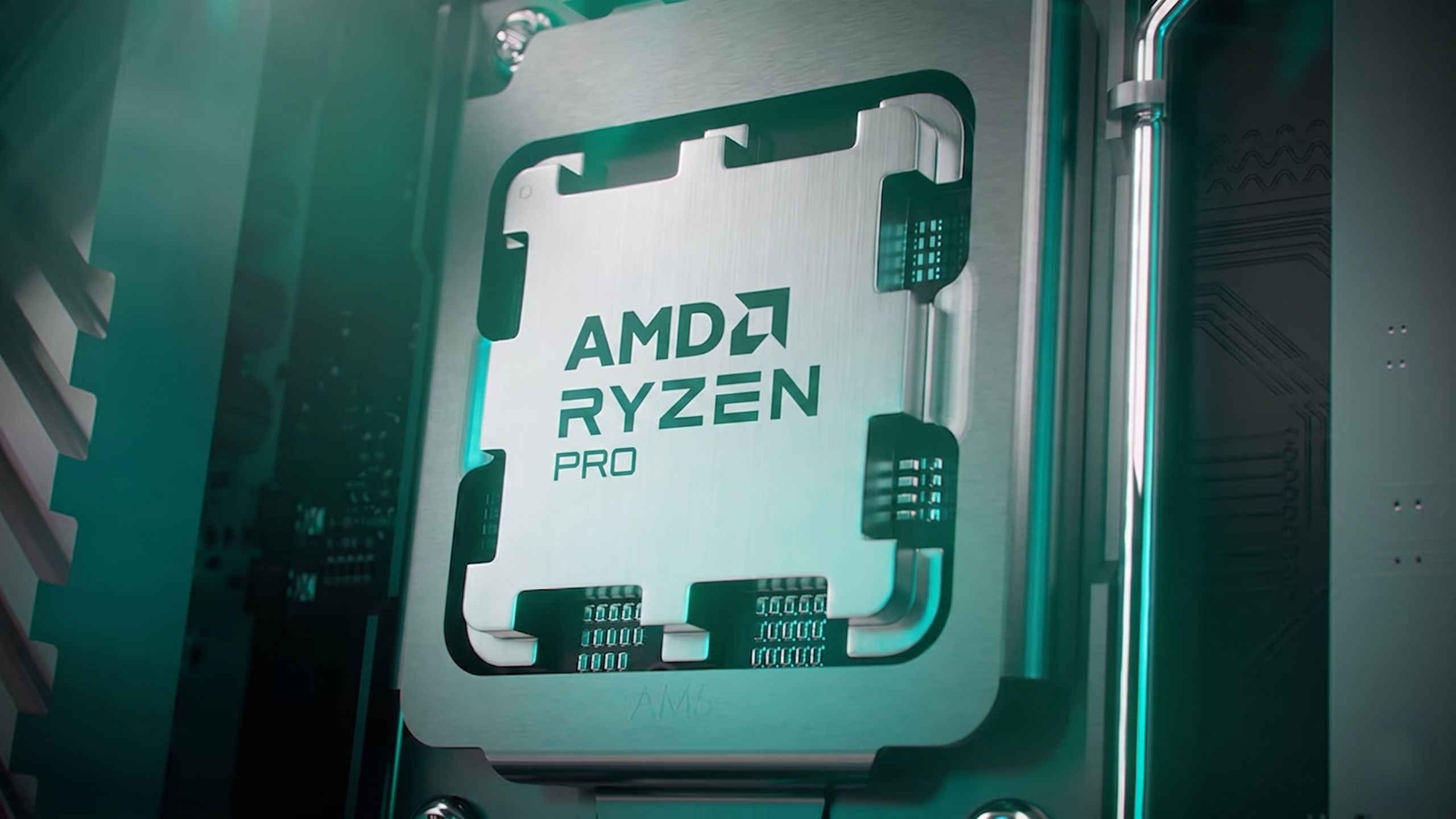
AMD expanded its Ryzen 9000 PRO lineup with six new workstation SKUs, including the first PRO chips with 3D V-Cache and TDPs as high as 170W. The lineup spans 6 to 16 cores, with flagship parts like the Ryzen 9 PRO 9965X3D (16 cores, 5.5 GHz boost, 128MB L3) and Ryzen 7 PRO 9755X3D (8 cores, 5.2 GHz boost, 92MB L3). These OEM-only CPUs will not hit regular retail channels and are expected to appear later this year, with Lenovo planning a ThinkStation P4 launch in Q3 2026.
This is less about near-term unit volume and more about AMD widening its attach rate into the higher-margin commercial stack. The real second-order effect is that PRO now looks less like a cost-optimized refresh and more like a platform upgrade, which should support ASPs and reduce the gap between consumer launch optics and enterprise procurement decisions. The introduction of X3D into managed endpoints is also a signal that AMD is willing to trade some efficiency for differentiated workstation performance, which can improve competitive win rates in content creation, CAD, and compile-heavy workflows where cache-sensitive workloads matter.
The bigger implication for the ecosystem is channel control: OEM-exclusive SKUs keep the pricing umbrella opaque and make it harder for Dell/HP/Lenovo to benchmark against retail DIY builds. That helps AMD and OEMs preserve margin, but it also means any demand upside will likely show up first in workstation and premium commercial desktop orders rather than broad retail share gains. Intel is the implicit loser here because AMD is now covering the full spectrum from entry-level managed PCs to halo workstation parts with a single architectural story, forcing Intel to defend both performance and platform stability claims at the same time.
Near term, the stock reaction should be modest because this is a design-win story with a lag, not a shipment story. The catalyst window is 2-4 quarters, when OEM refresh cycles can translate SKU breadth into visible revenue mix improvement; the main risk is that enterprise buyers treat PRO as a branding exercise unless AMD proves material platform stability, manageability, and battery/thermals advantages at scale. The contrarian read is that higher TDPs could actually help AMD reclaim workstation share faster than expected if buyers equate power headroom with longer sustained performance, especially in AI-adjacent creator workloads that saturate cache and memory bandwidth rather than just peak clock speed.
AI-powered research, real-time alerts, and portfolio analytics for institutional investors.
Request DemoOverall Sentiment
mildly positive
Sentiment Score
0.35
Ticker Sentiment
