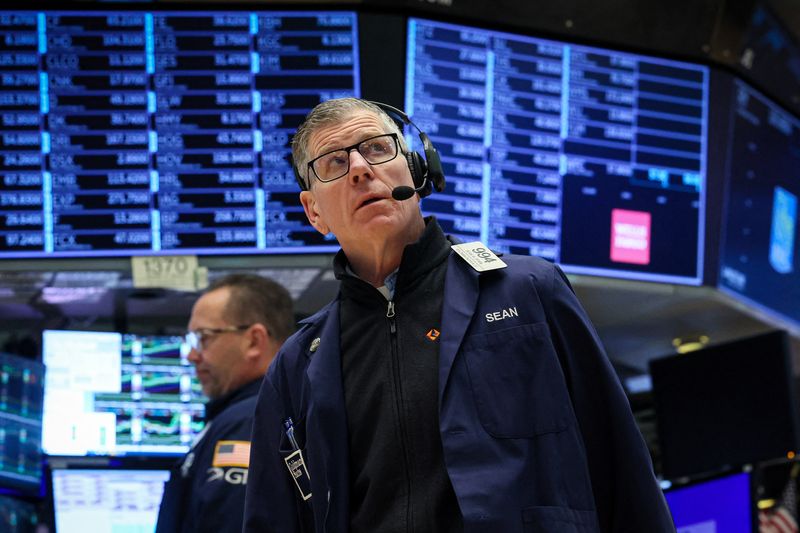
U.S. stock futures rose sharply, with S&P 500 Futures up 0.6% to 7,538.0, Nasdaq 100 Futures up 0.9% to 29,808.75, and Dow Futures up 0.6% to 50,966.0, as progress in Iran talks eased geopolitical risk and sent oil prices lower. Brent fell more than 7% to near $96 a barrel and WTI dropped 6% to near $90, boosting risk appetite. Gains were tempered by reports of fresh U.S. strikes in southern Iran and unresolved issues in the negotiations ahead of Thursday's PCE inflation data.
The near-term market reaction is less about the headline de-escalation and more about the release valve on an oil-driven macro squeeze. If crude keeps repricing lower for even a few sessions, the first-order winner is not energy beta but duration-sensitive growth: falling breakevens ease the pressure on real yields and give high-multiple equities room to expand despite still-sticky policy uncertainty.
The more interesting second-order effect is within credit and cyclicals. Lower energy input costs should be a margin tailwind for transport, chemicals, and consumer discretionary, but the benefit will lag until hedgers roll and spot prices actually feed through; that creates a window where equities may front-run the P&L improvement while earnings estimates remain unchanged. Conversely, integrated energy and offshore services are vulnerable to a swift de-rating if traders start pricing a durable corridor below the recent geopolitical risk premium.
The key risk is that this is a headline-driven repricing, not yet a structural supply reset. If negotiations stall, or if maritime/security incidents re-escalate, crude can retrace faster than equities can unwind, particularly because CTA and vol-control flows likely chased the move. The higher-conviction catalyst is Thursday's inflation print: a softer PCE alongside cheaper energy would strengthen the case that markets can re-anchor rate cuts sooner, while a hot print would mute the risk-on impulse even if oil stays subdued.
Consensus may be underestimating how much of the current equity rally is mechanically tied to lower inflation expectations rather than pure geopolitical relief. That suggests the best expression is not a blanket beta long, but targeted exposure to sectors whose margins improve from cheaper fuel while their valuations also benefit from lower rates. If oil falls another 5-8% from here, the market could start rotating from defense and energy into cyclicals and semis faster than earnings revisions justify.
AI-powered research, real-time alerts, and portfolio analytics for institutional investors.
Request DemoOverall Sentiment
mildly positive
Sentiment Score
0.20
