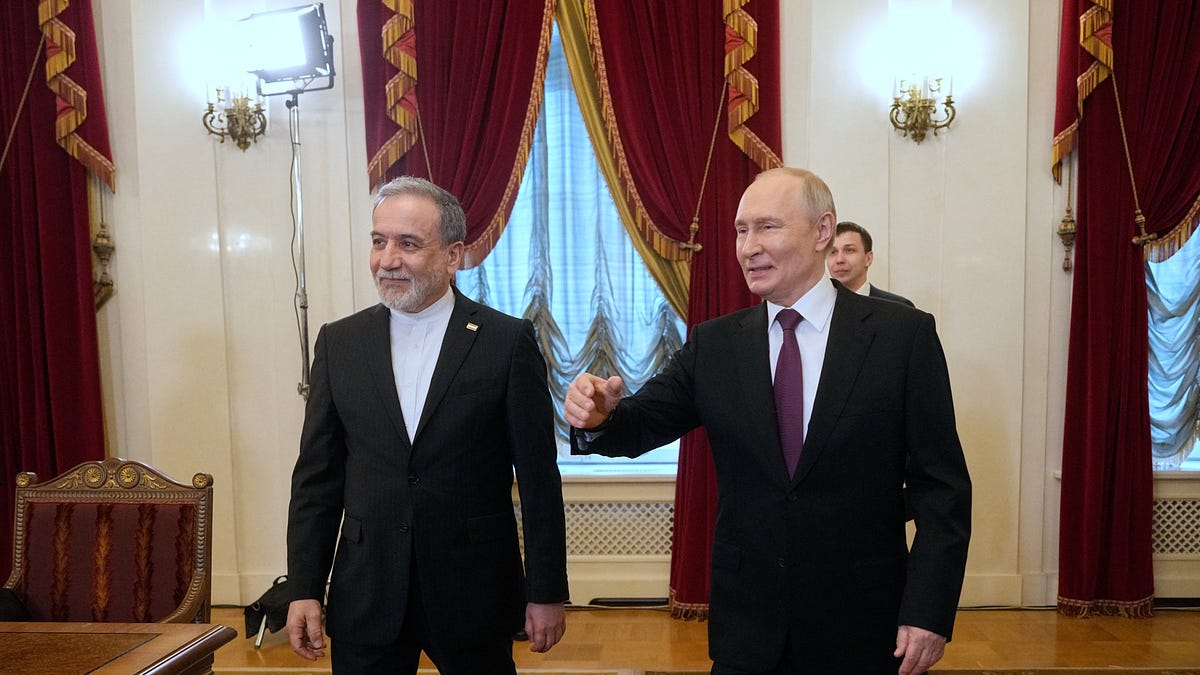
The article says Iran is conditioning any renewed talks on the U.S. lifting its maritime blockade in the Strait of Hormuz and is preparing for renewed conflict if diplomacy fails. Tehran is also signaling retaliation options in the Gulf, including threats to U.S. military assets, Gulf infrastructure, and potentially undersea cables, while shipping disruptions in the Strait are already intensifying. The geopolitical risk is high for energy markets, global trade flows, and regional security, with escalation risk elevated if no breakthrough emerges within days.
The market is underpricing the difference between a managed de-escalation and a true settlement. Even if headlines soften, the harder Tehran gets on sequencing, the higher the probability of a rolling maritime conflict that keeps freight, insurance, and energy volatility bid while leaving risk assets vulnerable to sudden air-pocket repricings. The key second-order effect is that a prolonged “almost deal” dynamic is worse for logistics and European industrial inputs than a clean crisis, because it keeps vessels rerouting, raises war-risk premia, and forces inventory hoarding without resolving the uncertainty.
The most actionable stress point is the Strait of Hormuz, where even non-kinetic disruption can transmit through crude, LNG, and refined products via shipping rates and marine insurance rather than just barrel loss. That creates asymmetric winners in defense, cyber, and select energy infrastructure names, while pressuring airlines, chemicals, and import-heavy European cyclicals. If cable/port interference broadens, the spillover into global data and payment infrastructure could create a fast-moving, under-discounted operational shock, especially for firms with Middle East exposure but thin contingency planning.
Contrarian view: the consensus is treating escalation as a binary oil spike trade, but the more durable trade may be volatility itself. If the U.S. is unable to force a decisive political outcome quickly, the regime’s incentive is to stretch timelines into the next election cycle, which means repeated mini-crises rather than one-off shocks. That favors option structures and relative-value longs over outright commodity direction, because a ceasefire headline could compress crude quickly even as underlying shipping and defense demand stay elevated.
AI-powered research, real-time alerts, and portfolio analytics for institutional investors.
Request DemoOverall Sentiment
strongly negative
Sentiment Score
-0.70
