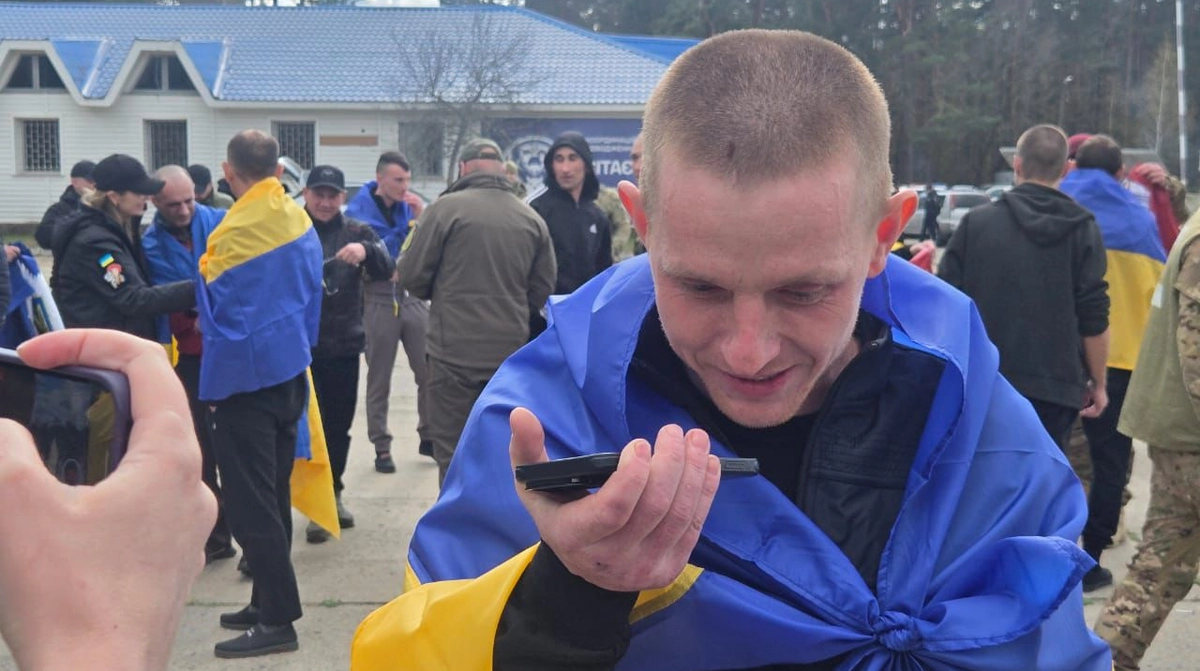
Ukraine brought back 193 defenders from Russian captivity in the 73rd prisoner-of-war exchange, including servicemembers from the Armed Forces, National Guard, Border Guard Service, National Police, and State Special Transport Service. The release included wounded personnel, members born in the 2000s, and two soldiers who will celebrate birthdays at home today. The event is positive for humanitarian and political sentiment but is unlikely to have direct market impact.
The direct market read-through is limited, but the second-order implication is that prisoner exchanges can act as a low-cost de-escalation signal without changing battlefield economics. That matters most for defense names where the marginal bid is driven by expectations of conflict duration: every visible diplomatic process lowers the probability of sudden escalation premiums, even if it does not reduce baseline replenishment demand. In other words, the event is mildly bearish for short-dated “war shock” optionality, but not enough to alter the multi-quarter procurement cycle.
The more important structural effect is on legal and reputational risk. The mention of fabricated charges and unlawful detention reinforces the durability of sanctions, litigation, and compliance friction around Russia-linked counterparties, especially in Europe where banks, insurers, logistics firms, and commodity traders remain hypersensitive to secondary-sanctions exposure. That creates a slow-burn benefit for Western compliance software, audit, and sanctions-screening vendors; the commercial opportunity is not the exchange itself, but the normalization of a higher-friction operating environment.
A contrarian takeaway is that these exchanges can actually prolong conflict by improving domestic morale and political legitimacy on both sides while keeping negotiation channels open but non-binding. That reduces the odds of a near-term settlement that would meaningfully compress defense spend. The market may be underpricing the asymmetry: headlines feel optimistic, but the cash-flow impact on defense procurement should remain intact for 6-18 months unless there is a broader ceasefire framework with verification mechanisms.
Tail risk is a genuine ceasefire ladder: if prisoner swaps expand into prisoner lists, humanitarian corridors, or monitored local truces, short-duration defense vol could de-rate quickly. The trigger window is days to weeks for sentiment-sensitive names, but months for any real change in order flow. The clearest reversal is a credible negotiating track backed by enforceable monitoring; absent that, this is noise around an unchanged war-economy baseline.
AI-powered research, real-time alerts, and portfolio analytics for institutional investors.
Request TrialOverall Sentiment
mildly positive
Sentiment Score
0.20
