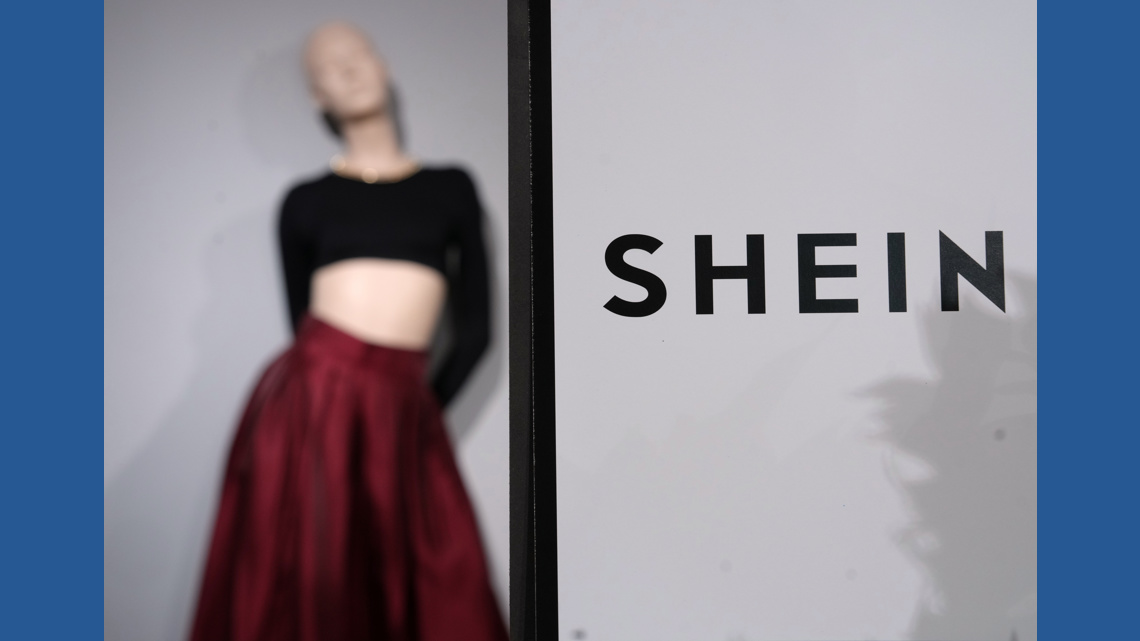
Shein is acquiring Everlane in a rescue-style deal after the retailer faced falling sales, rising debt, and pressure on its business model. The transaction price was not disclosed, and Everlane says it will remain independent with CEO Alfred Chang and existing leadership staying in place. The deal highlights the tension between Everlane’s sustainability-focused brand and Shein’s fast-fashion supply chain, but it likely stabilizes Everlane financially.
This is less a simple brand sale than a distressed-capital recap with a reputational tax. The key second-order effect is that Shein is not buying Everlane just for revenue; it is buying a higher-credibility customer acquisition channel and a wedge into consumers who would never transact directly with a fast-fashion label. That creates a portfolio option: if Everlane can be kept semi-independent, Shein gets a testbed for pricing power, sourcing discipline, and a more premium halo without having to rebrand the core engine.
The main loser is not just Everlane’s existing customer base, but adjacent “ethical basics” competitors that relied on trust as a moat. Once price-sensitive shoppers conclude sustainability claims are undifferentiated, the category compresses toward two poles: ultra-low-cost volume and true premium quality. That is structurally bearish for mid-tier direct-to-consumer apparel because it worsens CAC payback and increases the need for either wholesale distribution or strategic capital.
For BIRD, the market should think in months, not days. The near-term risk is not immediate dilution from the deal, but a broader read-through that consumers are willing to trade values for value, which keeps pressure on premium-but-not-luxury brands. Over 6–12 months, if tariffs and supply-chain restrictions keep squeezing import economics, capital-rich platforms with scale purchasing and localization flexibility should outperform; small brands without balance-sheet support remain exposed to inventory and financing stress.
The contrarian angle is that the deal may be more defensive than opportunistic for Shein. If Shein needs a trust proxy to enter the next phase of growth, that implies its own brand has a ceiling in developed markets, which could eventually cap margin expansion. In that sense, the acquisition may stabilize Everlane but also validates a tougher industry regime where brand equity alone is no longer enough to sustain premium multiples.
AI-powered research, real-time alerts, and portfolio analytics for institutional investors.
Request DemoOverall Sentiment
mildly negative
Sentiment Score
-0.15
Ticker Sentiment
