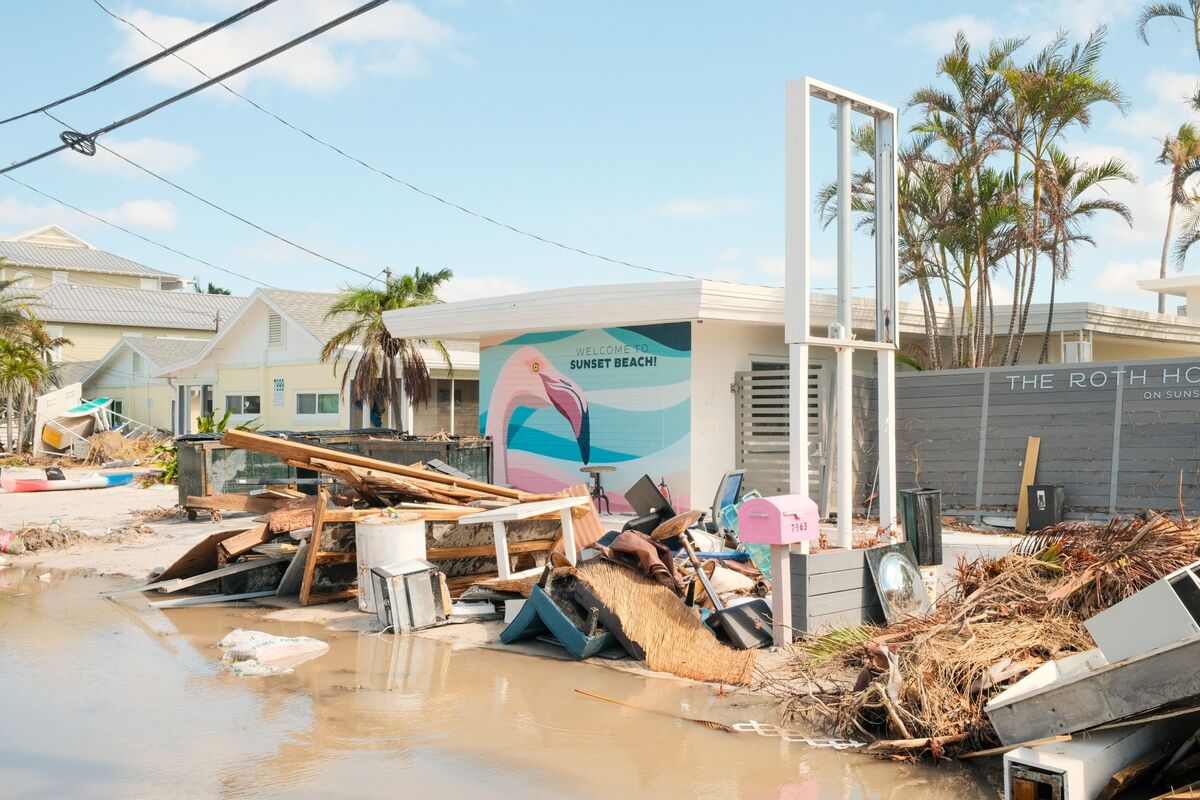
Carlyle Group is introducing a new portfolio risk framework that would more directly incorporate the insurance implications of severe weather shocks into asset values. The firm argues the current approach is too reactive and should be overhauled, highlighting a broader shift toward proactive climate risk pricing. The news is strategic and relevant for private markets and climate-risk management, but it does not indicate an immediate financial impact.
This is less about climate virtue signaling and more about a slow-moving repricing of real assets and operating businesses whose downside tails are being underwritten by insurers today but borne by LPs tomorrow. If a large manager starts capitalizing weather risk into hurdle rates and valuation marks, the first-order winners are assets with demonstrably lower physical-risk exposure and higher insurance continuity; the losers are “cheap” assets in flood, fire, or heat-stressed geographies that currently screen well on static EBITDA multiples but require structurally higher reserve assumptions. The second-order effect is tighter financing for marginal projects as lenders and insurers converge on the same underwriting view, which can compress transaction volumes in climate-exposed private markets over the next 12-24 months.
For public markets, the more interesting implication is not direct exposure to Carlyle, but the knock-on effect on managers, brokers, and capital allocators that rely on stable asset marks and cheap coverage. If this framework gains traction, it should modestly favor firms with better catastrophe analytics, parametric products, and broader reinsurance capacity, while pressuring asset-heavy PE portfolios in coastal real estate, logistics, ag, and industrial sites with recurring weather claims. The timing matters: near-term revenue impact on CG is likely limited, but over 2-4 quarters the firm could improve fundraising optics with LPs seeking risk discipline, even as it potentially slows deployment into affected sectors.
The contrarian view is that the market may overestimate how quickly this becomes a broad industry standard. Private-markets valuations are sticky, and unless insurers, lenders, and auditors adopt a common framework, this may remain a branding advantage more than a cash-flow driver. The more immediate hidden risk is that by formally pricing weather risk, firms may surface stranded-asset losses already embedded in portfolios, creating one-time marks-downs and forcing managers to choose between diligence credibility and short-term AUM optics.
AI-powered research, real-time alerts, and portfolio analytics for institutional investors.
Request DemoOverall Sentiment
neutral
Sentiment Score
0.10
Ticker Sentiment
