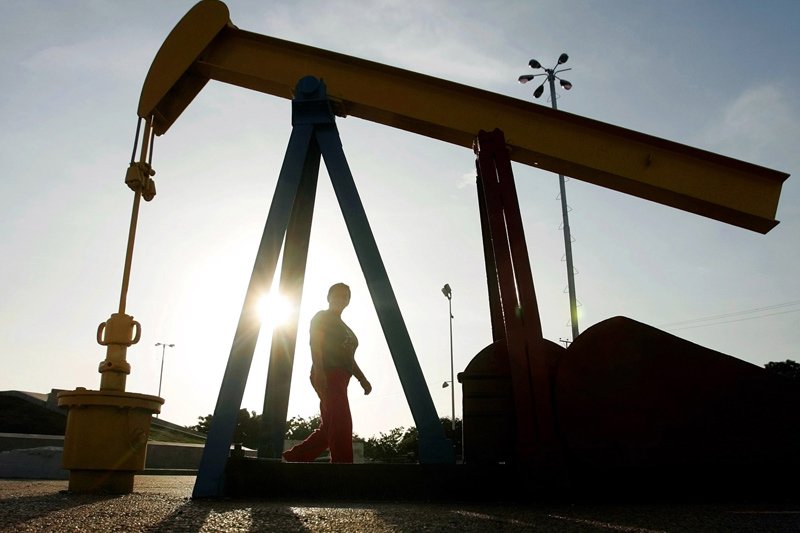
Saudi Arabia posted a Q1 2026 budget deficit of 125.7 billion riyals ($33.5 billion) as spending surged 20% to 386.7 billion riyals while revenues slipped to 261.0 billion riyals. Oil revenues fell 3% to 144.7 billion riyals, partially offset by a 2% rise in non-oil revenues to 116.3 billion riyals. Military spending increased 26% to 64.7 billion riyals year over year, underscoring higher fiscal outlays.
The market reaction looks less like a fundamental miss and more like the setup changing under the hood: a public-sector impulse that is widening faster than nominal activity can absorb. Higher spending funded by a still-soft revenue base typically helps domestic contractors, banks, and logistics names first, but the second-order effect is a larger sovereign funding requirement that can crowd out private credit and keep local liquidity tighter than headline fiscal expansion suggests.
The composition matters. A heavier defense allocation is usually low-multiplier for broad consumer demand, so the fiscal boost is less likely to feed into a durable non-oil growth step-up than the top-line numbers imply. If oil stays range-bound, the deficit becomes a medium-term policy constraint rather than a one-quarter noise item; if oil weakens, the fiscal drag can force either issuance acceleration or spending re-prioritization within 1-2 quarters.
For risk assets tied to the domestic cycle, the key question is whether this is transitory front-loading or the start of a more aggressive pro-cyclical posture. Consensus is probably underestimating how quickly a wider deficit can shift from being growth-supportive to rate- and liquidity-negative, especially for small/mid-cap Saudi equities and credit-sensitive sectors. The more interesting trade is not on the headline deficit itself, but on the gap between fiscal optimism and the financing conditions required to sustain it.
Against the specific ticker mentioned in the data, the setup is likely a sentiment-overhang rather than a thesis breaker: if the market is using the macro print to de-risk any discretionary-growth exposure, that can create a better entry point once the noise clears. But absent a clear catalyst for a re-acceleration in spending power, the burden of proof shifts to execution and margins rather than revenue growth alone.
AI-powered research, real-time alerts, and portfolio analytics for institutional investors.
Request DemoOverall Sentiment
mildly negative
Sentiment Score
-0.25
Ticker Sentiment
