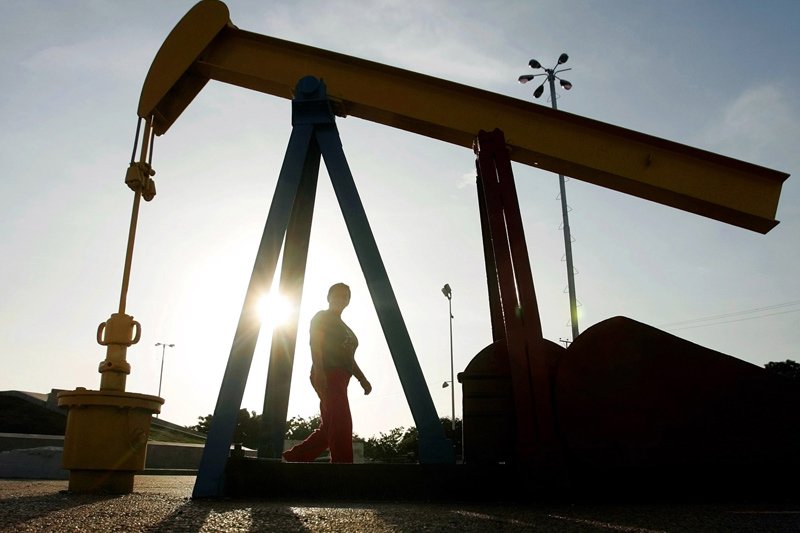
Chicago Fed President Austan Goolsbee said oil futures imply the Iran-related spike in energy prices will be short-lived, limiting potential damage to U.S. growth if gasoline prices do not stay elevated. He warned that $90-per-barrel oil for month after month could spill over into broader prices and pressure consumer spending, while noting a possible deterioration in consumer sentiment. The piece is largely commentary on macro risks rather than a new policy decision.
The market is treating the shock as a clean, contained energy event, but the bigger transmission channel is not headline inflation—it is confidence and discretionary spending. If fuel stays elevated for several weeks, lower-income households will cut baskets first, which hits retailers, restaurants, travel, and e-commerce before it shows up in macro prints. That means the near-term winners are the usual energy complex, but the more interesting relative winners may be companies with pass-through power and low consumer sensitivity, while cyclical consumer and transport names face a delayed margin squeeze. This setup is also a classic volatility trap: realized oil volatility can stay elevated even if spot retraces, because the market will price repeated tail-risk headlines and political escalation premiums. That creates second-order pressure on sectors tied to input costs and demand confidence, while also increasing the odds of a short-lived “policy comfort” rally in duration-sensitive growth if inflation expectations remain anchored. The Fed will likely stay data-dependent, but consumer sentiment deterioration can lead actual spending by 4-8 weeks, so the trade is less about the next CPI print and more about whether households start behaving defensively into the next month-end sales cycle. The contrarian angle is that the market may be underestimating how fast energy prices can normalize once the perceived shipping disruption proves less severe than feared. If that happens, crowded inflation hedges can unwind quickly, especially in names that have already moved on narrative rather than earnings revisions. The better expression is to fade second-order losers on strength rather than chase energy beta after a geopolitical headline, because the asymmetric opportunity is in positions that benefit if the shock fades but still have convexity if it worsens.
AI-powered research, real-time alerts, and portfolio analytics for institutional investors.
Overall Sentiment
neutral
Sentiment Score
-0.05
Ticker Sentiment
