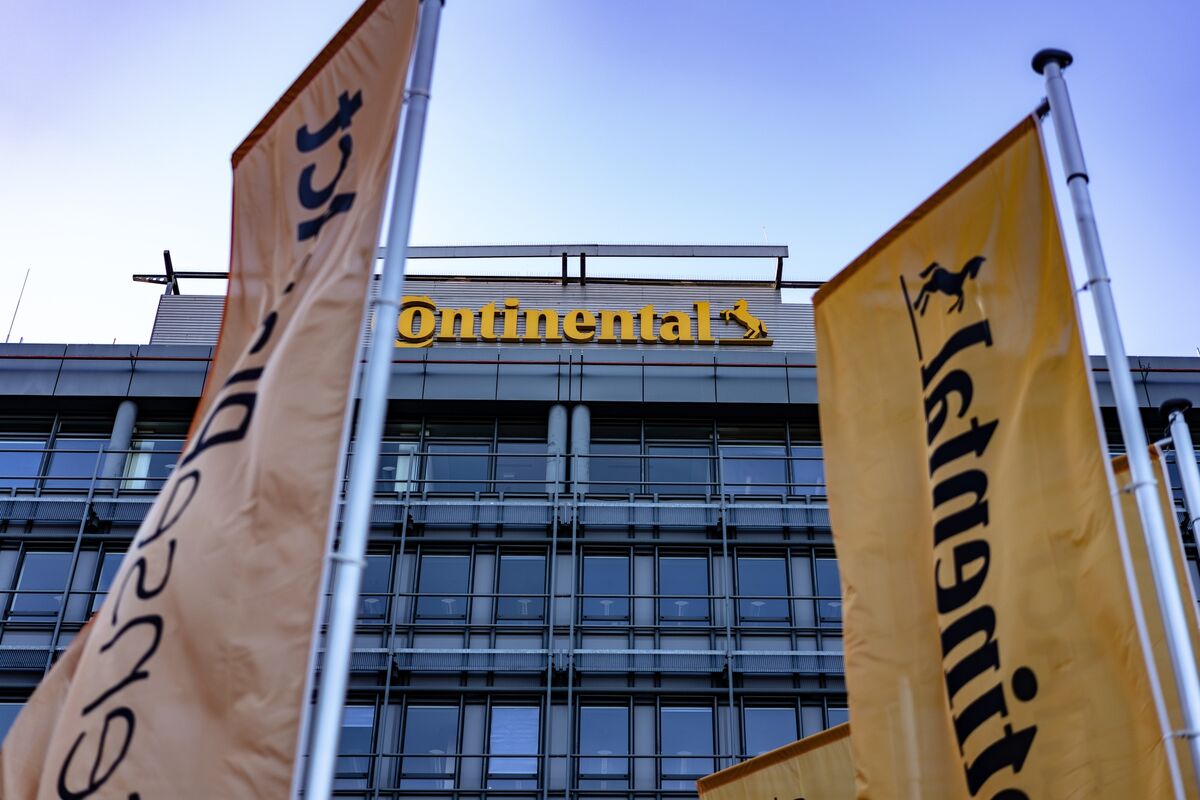
Continental AG plans to split into three separate entities focusing on tires, rubber components, and auto parts, unwinding decades of diversification. This strategic shift reflects the increasing pressure on German manufacturers to become more agile amidst structural challenges in the domestic market and growing international competition. The move, to be presented to investors on Tuesday, signals a broader trend of German companies adapting their business models to navigate a changing global landscape.
Continental AG is initiating a significant corporate restructuring by planning to split into three distinct entities: its core tire business, rubber components, and auto parts. This move marks a fundamental reversal of its decades-long diversification strategy. The decision is framed as a defensive response to pressures from structural economic issues within Germany and intensifying competition from abroad, compelling the company to seek greater agility. This action reflects a broader trend among German industrial conglomerates, which are increasingly dismantling their diversified structures to enhance focus and competitiveness. The upcoming investor presentation on Tuesday will be critical in providing the specific financial and operational details of this proposed separation, which is positioned as a necessary adaptation to a shifting global business environment.
AI-powered research, real-time alerts, and portfolio analytics for institutional investors.
Request DemoOverall Sentiment
mixed
Sentiment Score
0.00
