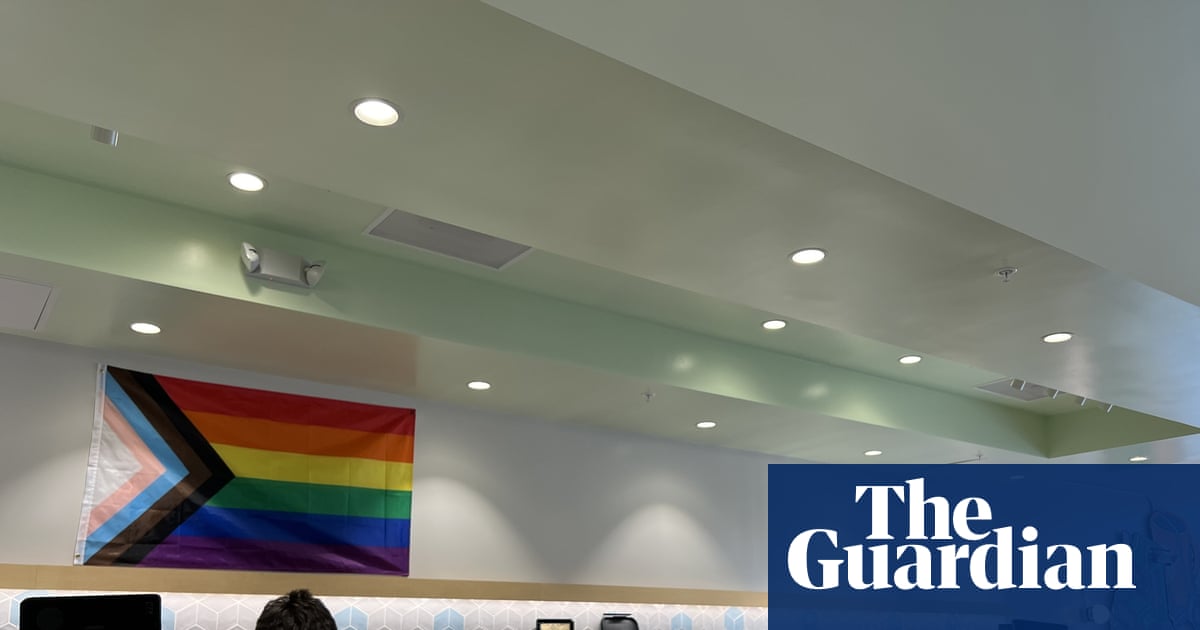
Philz Coffee reversed its decision to remove Pride flags from stores after backlash from workers, customers, and San Francisco Pride leaders, with CEO Mahesh Sadarangani apologizing and calling the move a mistake. The issue highlights reputational and governance risk for the coffee chain, which has more than 80 locations in California and Chicago and was recently acquired by Freeman Spogli. The article is primarily a corporate culture and brand-positioning story rather than a material financial update.
The immediate winner is not the coffee chain’s brand but the activist employee/customer ecosystem that forced a reversal. That matters because the real economic damage from a values misstep is rarely one-day foot traffic; it shows up over weeks in barista churn, localized store-level service degradation, and reduced willingness of premium customers to tolerate higher pricing. For a small-format, high-touch consumer concept, morale is part of the operating model, not just reputation capital.
Second-order, the private equity owner is now on watch. Even if the issue is “non-financial” on the surface, PE-backed consumer platforms are especially vulnerable to governance mistakes that trigger social-media boycotts and employee organizing, because the leverage stack leaves less room for a prolonged same-store-sales drawdown. The reversal reduces near-term boycott risk, but it also validates that this type of controversy can force management to react quickly, which may embolden stakeholders to challenge future cost-cutting or culture changes.
The contrarian read is that the market may be overestimating how durable the backlash is relative to the median customer’s behavior. In consumer brands, outrage often decays faster than operating metrics deteriorate, especially when management visibly caves and the issue stops being a fresh news item within days. The more durable risk is not this incident itself, but whether management now becomes more reactive and indecisive, which can create execution slippage across menu pricing, labor policy, and store-level consistency over the next 2-3 quarters.
AI-powered research, real-time alerts, and portfolio analytics for institutional investors.
Request TrialOverall Sentiment
neutral
Sentiment Score
0.10
