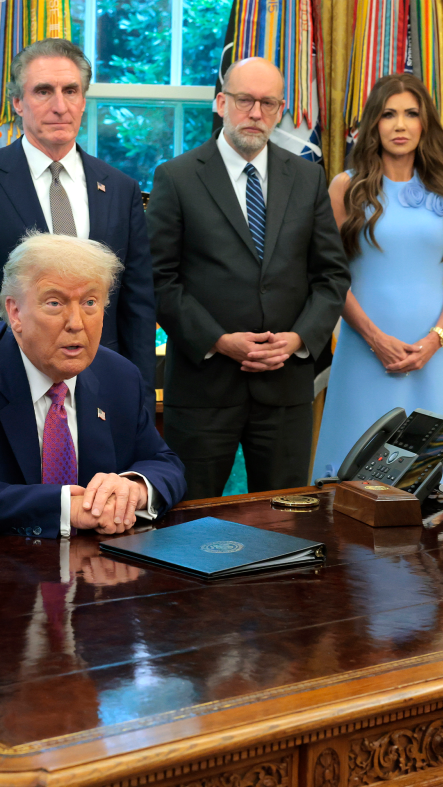
A memo titled "Abolishing FEMA" outlines potential strategies for the Trump administration to dismantle the Federal Emergency Management Agency (FEMA) and establish a smaller, rebranded disaster response organization. This signals a potential shift in the federal government's approach to disaster management and could have significant implications for states and localities reliant on FEMA funding and resources.
A memo outlining a proposal to abolish the Federal Emergency Management Agency (FEMA) under a potential Trump administration introduces significant policy uncertainty for sectors reliant on federal disaster response. The plan to replace FEMA with a "radically smaller" organization implies a material reduction in federal funding for disaster relief and reconstruction. This policy shift would directly impact the risk calculus for property and casualty insurers and reinsurers, who could face greater liabilities without a robust federal backstop. Furthermore, engineering, construction, and materials companies that depend on post-disaster rebuilding contracts funded by FEMA would face potential revenue headwinds. The proposal also carries negative implications for the municipal bond market, as states and localities in disaster-prone regions could experience heightened fiscal stress without the current levels of federal aid, potentially affecting their creditworthiness.
AI-powered research, real-time alerts, and portfolio analytics for institutional investors.
Request DemoOverall Sentiment
moderately negative
Sentiment Score
-0.50
