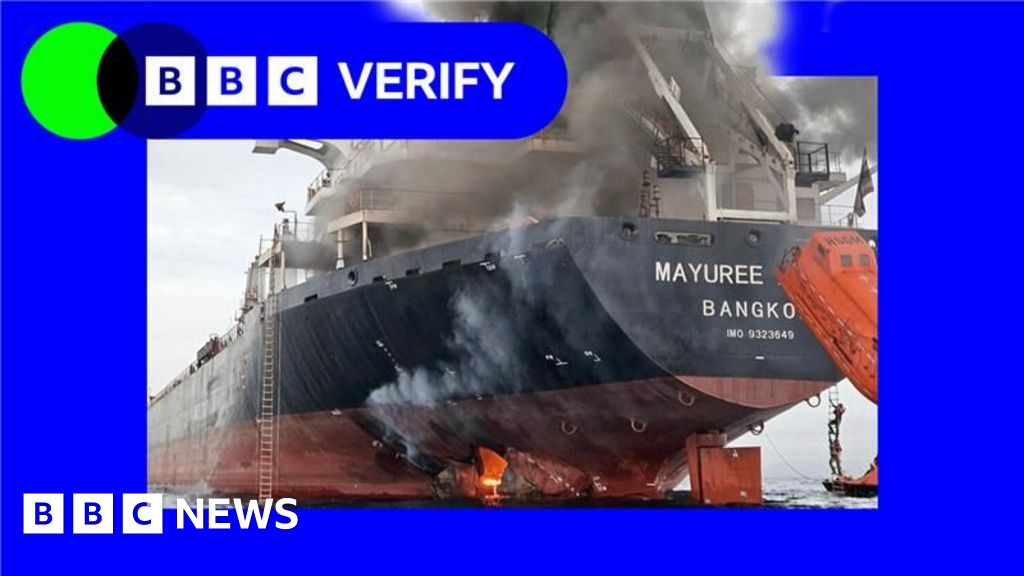
Six ships were attacked in under 48 hours (18 vessels attacked since Feb 28), with strikes concentrated near the Strait of Hormuz — a chokepoint carrying roughly 20% of global oil (~20 million barrels/day). Energy prices have surged, approaching $120/bl and Iran warned they could reach $200; the IEA and 32 countries agreed to release 400 million barrels to offset an "effective closure" of the shipping channel. Ship transits have collapsed (only six vessels passed since Monday), insurers are withdrawing cover and naval escorts are unlikely to guarantee full protection, creating sustained upside risk to oil and major disruption to regional trade and logistics.
The market is pricing a short, sharp physical-risk premium but the larger profit pool sits in the disruption to logistics and insurance economics rather than crude barrels alone. Expect prompt-month Brent to show outsized volatility vs 3–6 month strips: spot/back-month basis should flip toward backwardation on disruption headlines, pushing demand for immediate tanker liftings and driving up spot freight rates even if headline supply is partially offset by releases.
Rerouting around Africa and insurance/war-risk surcharges create a multi-layer cost shock: add-on days per voyage (~10–15 days on ME→Asia) effectively removes 8–20% of annual voyage capacity on affected trades and raises voyage fuel/insurance costs materially. That dynamic benefits owners with flexible crude tankers and hurts just-in-time supply chains — fertilizers, helium carriers and specialty chemicals will see outsized price moves because supply is concentrated and substitution is limited.
Time horizons matter: the IEA release and SPR drawdowns cap the peak oil-price move over 30–60 days, but insurance repricing and routing changes unfold over weeks-to-months and structural adjustments (fleet redeployment, newbuild orders) play out over quarters-to-years. Reversal catalysts are clear — credible, sustained surface-escort protection or a quick diplomatic de-escalation — but neither is guaranteed and asymmetric, low-cost Iranian tactics mean intermittent disruptions are the base case, not a one-off spike.
AI-powered research, real-time alerts, and portfolio analytics for institutional investors.
Overall Sentiment
strongly negative
Sentiment Score
-0.75
