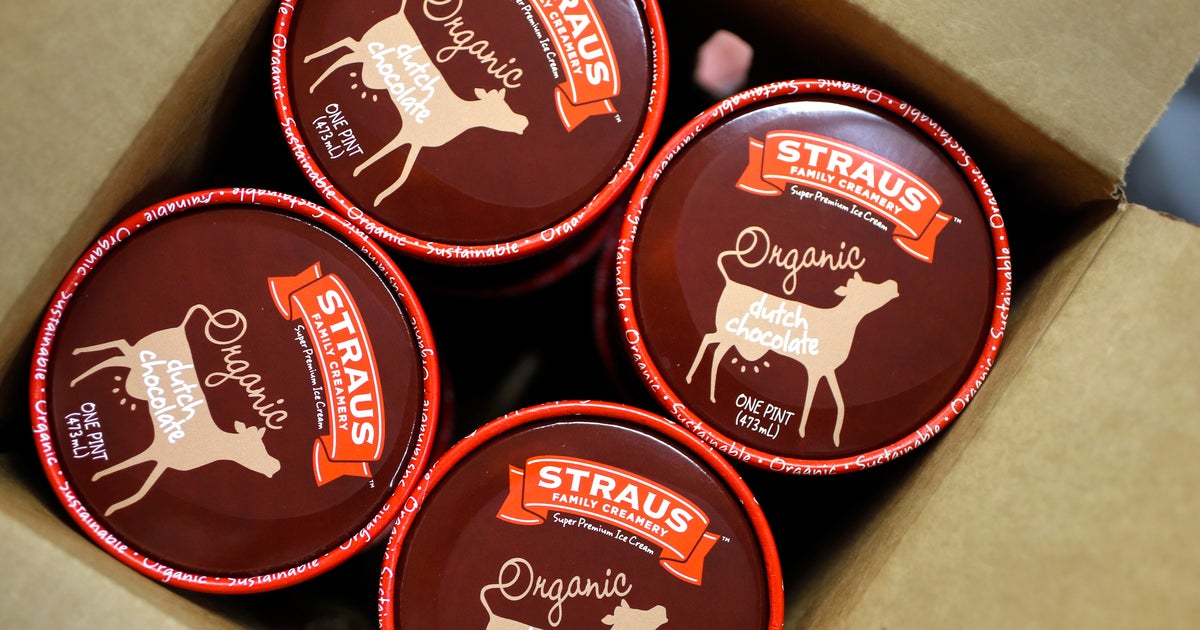
Straus Family Creamery is recalling organic ice cream sold in 17 states due to potential metal fragments, affecting multiple flavors and sizes with best-by dates in December 2026. No injuries have been reported, but the company is removing products from shelves and offering vouchers rather than refunds. The issue is a quality and safety setback for the brand, though the broader market impact should be limited.
This is a micro-branding event, not a macro earnings event, but it matters because food-safety recalls tend to hit the same second-order channel: retailer shelf discipline. Expect grocers to favor incumbent national dairy labels with broader QC infrastructure over smaller premium/local brands for the next 1-2 quarters, especially in organic and natural sets where trust is the primary moat. The immediate P&L hit is likely contained, but the reputational overhang can outlast the actual product removal window by months.
The bigger risk is not direct consumer substitution; it is incremental slot friction. Retailers often use recalls to justify tighter vendor scorecards, which can slow future distribution gains for smaller suppliers and raise compliance costs across the category. That creates a subtle advantage for scaled food manufacturers with redundant QA systems and insurance capacity, while higher-cost artisanal players may need to spend more on testing, traceability, and retailer incentives just to hold facings.
For the category, the recall could modestly shift demand toward private label and national incumbents in premium frozen desserts if households avoid the affected brand family on trust grounds. The effect should fade within weeks for casual buyers, but if social amplification turns this into a broader “organic safety” story, the halo damage can linger into summer peak season, when freezer set competition is most valuable. The contrarian view is that the market may overestimate the durability of the hit: refrigerated/frozen categories have short memory, and the absence of injuries reduces the odds of a lasting consumer boycott.
There is also a supply-chain tell here: metal contamination points to line-maintenance or upstream equipment failure, which often triggers capex and downtime elsewhere in the plant network. If this is not an isolated event, look for similar QA reviews across co-packers and regional dairy producers over the next 30-90 days; the market usually prices those knock-on costs too slowly.
AI-powered research, real-time alerts, and portfolio analytics for institutional investors.
Request DemoOverall Sentiment
moderately negative
Sentiment Score
-0.35
