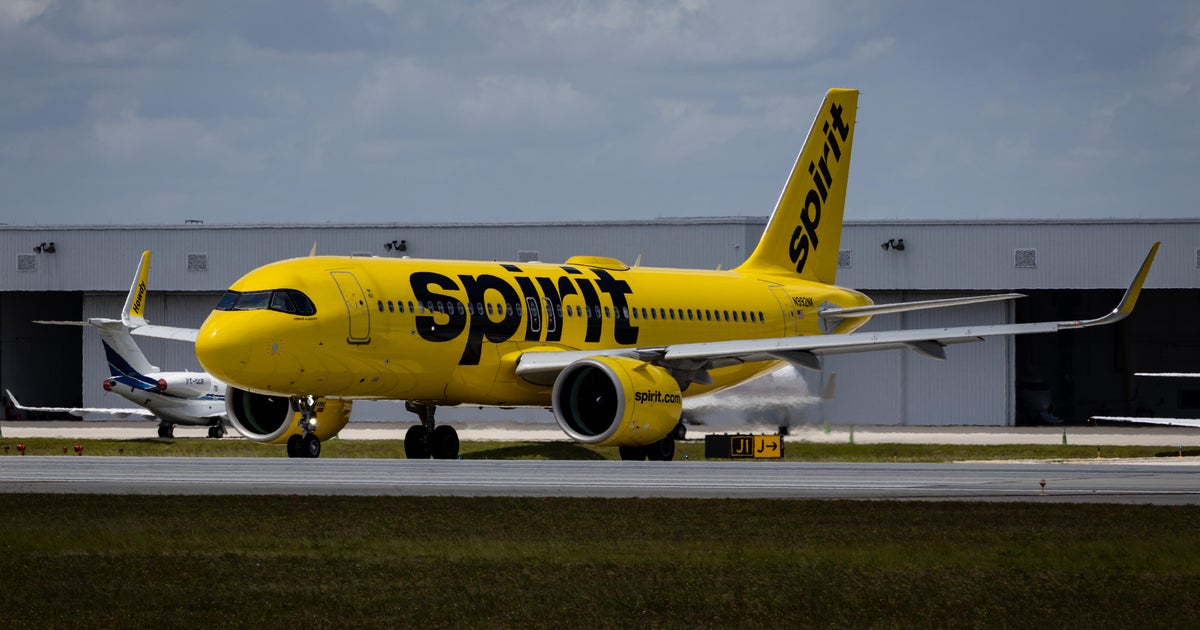
Spirit Airlines is in advanced talks for up to $500 million in U.S. government financing, with a potential warrant package that could give the federal government a substantial ownership stake. The carrier, which filed for Chapter 11 in November 2024 and again in August 2025, has about 15,000 employees and has been struggling with losses and higher jet fuel costs. The proposal could help preserve jobs and keep Spirit operating, but lawmakers are split and propping up a single airline remains an unusual taxpayer-backed move.
The market is underpricing the optionality embedded in a state-backed rescue: this is less about saving a single airline and more about a forced recapitalization that could reset creditor recoveries across the distressed travel stack. If Washington comes in with secured financing plus warrants, existing equity is still likely impaired, but unsecured recovery rates improve enough to narrow the gap between liquidation and reorganization outcomes. That matters because the asset base is mostly aircraft and slots, which gives the government a plausible path to exit — meaning the real trade is on financing terms, not long-term operating performance.
For competitors, the second-order effect is capacity discipline. A rescued Spirit likely stays alive longer, but with a smaller fleet and tighter covenants, which reduces the odds of a price war in domestic leisure markets over the next 2-4 quarters. That is mildly constructive for JBLU on unit revenue if the carrier avoids another forced merger, but structurally more important for legacy carriers with stronger balance sheets: the biggest risk to fare compression is not Spirit's existence, but a disorderly liquidation that dumps aircraft and gates into the market.
The key catalyst window is the next few weeks of bankruptcy negotiations. If the package is announced with a government senior claim or warrant overhang, the trade becomes a classic distressed-equity trap: headline support, but little residual value for common. If talks fail, the downside accelerates quickly because Chapter 11 liquidity runs out faster than the public debate cycle, and creditors will push for asset sales. Contrarian takeaway: the market may be focusing too much on bailout optics and not enough on the implied precedent — once a politically useful airline gets supported, the probability of intervention in other labor-sensitive restructurings rises, which is a medium-term tailwind for distressed credit but a headwind for equity holders.
AI-powered research, real-time alerts, and portfolio analytics for institutional investors.
Request TrialOverall Sentiment
mildly negative
Sentiment Score
-0.15
Ticker Sentiment
