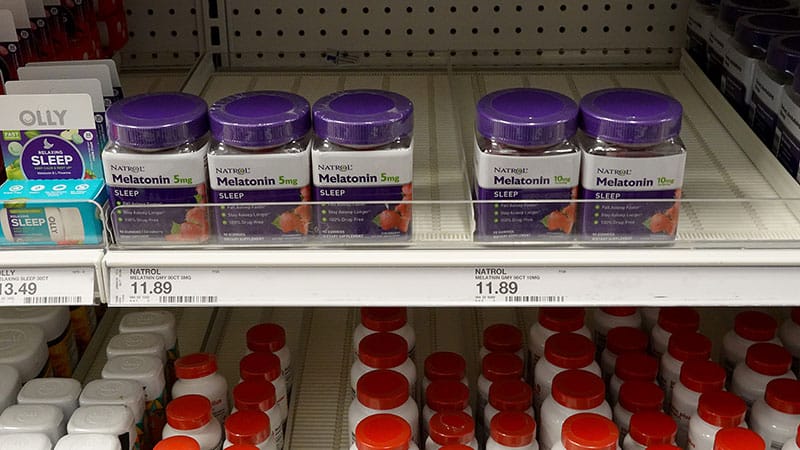
A preliminary observational study suggests that prolonged melatonin use (over one year) for insomnia is associated with an 89% increased risk of incident heart failure, a 3.5-fold higher likelihood of heart failure hospitalization, and doubled all-cause mortality over five years. These findings, presented at the American Heart Association Scientific Sessions 2025, challenge the perception of melatonin as a benign over-the-counter sleep aid and highlight potential long-term cardiovascular safety concerns for a widely consumed supplement. While not yet peer-reviewed and not establishing causation, the study underscores a need for further randomized trials, which could have significant implications for the consumer health and supplement industries regarding product safety, regulation, and market dynamics.
A preliminary observational study indicates that prolonged melatonin use (over one year) for insomnia is associated with significant adverse cardiovascular outcomes, including an 89% higher chance of incident heart failure, a 3.5-fold increased likelihood of heart failure hospitalization, and doubled all-cause mortality over a five-year period. These findings, slated for presentation at the American Heart Association Scientific Sessions 2025, directly challenge the long-held perception of melatonin as a benign, low-risk over-the-counter sleep aid.
The study's results are particularly impactful given melatonin's widespread availability and marketing as a low-cost solution, contrasting with prior research that suggested potential cardiometabolic benefits. Investigators highlighted a previous lack of robust data on its long-term cardiovascular effects, making these preliminary findings a critical development for the consumer health and supplement industries.
While the study is observational, not yet peer-reviewed, and does not establish causation, it underscores an urgent need for randomized controlled trials to definitively clarify melatonin's cardiovascular safety profile. The potential for increased regulatory scrutiny and shifts in consumer behavior regarding OTC supplements could significantly impact companies manufacturing and distributing these products.
AI-powered research, real-time alerts, and portfolio analytics for institutional investors.
Request DemoOverall Sentiment
moderately negative
Sentiment Score
-0.40
