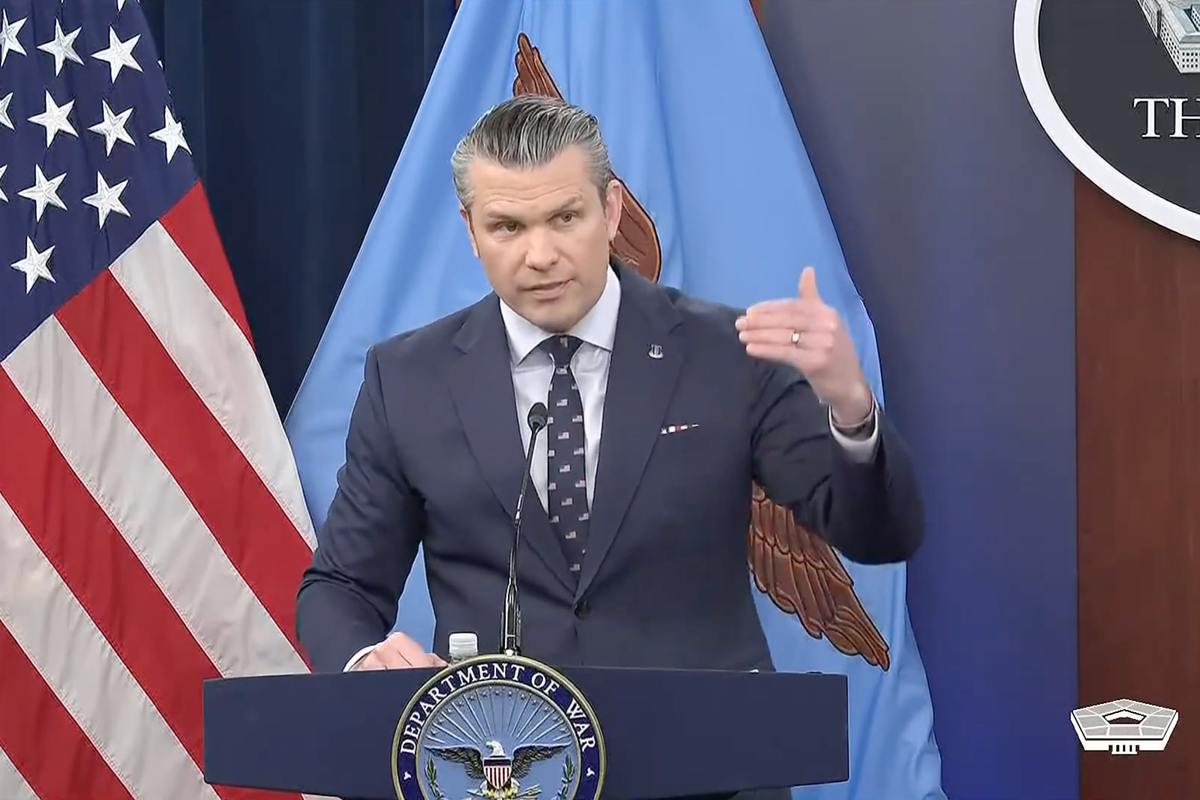
The U.S.-Iran conflict has escalated: U.S. officials say >15,000 Iranian targets struck, Iran's missile capabilities 'plummeted by 90%,' and Iranian deaths reported at ~1,940; at least 13 U.S. service members killed and 140 injured. Oil has surged past $100/barrel multiple times, prompting the U.S. to announce a 172 million-barrel SPR release over four months and reporting $11 billion spent in the first six days of the campaign. The conflict has widened regionally with strikes and retaliations across several Gulf states, raising significant geopolitical and market volatility risks.
The market is pricing a sustained risk-premium to Middle East hydrocarbon flows rather than a one-off shock; expect persistent backwardation in front-month crude if supply lines remain uncertain, which mechanically accelerates cash-generation for upstream producers and penalizes refiners and long-haul trade flows. Shipping rerouting and insurance surcharges are not line items — they compound into delivered barrel economics: adding 7–12% to freight-adjusted crude costs for Asia-Europe voyages over the next 30–90 days, compressing refinery margins in import-dependent hubs.
Defense procurement is now a liquidity and duration story: governments respond to credible regional degradation of capabilities by front-loading orders and extending multi-year funding profiles, creating a 12–36 month revenue tail for missile, sensor and EW suppliers. The semiconductor content of precision munitions and ISR systems creates an onshore sourcing premium — expect higher demand for specialized fabs and test capacity that will take 18+ months to satisfy.
Financial markets will oscillate between risk-off and commodity-driven reflation: USD/Treasury strength on shock rallies, followed by commodity-led CPI pressure that forces a re-pricing of real yields over 3–9 months. Tail catalysts that would violently reverse the current premium are (1) credible diplomatic de-escalation with verifiable verification timelines, or (2) a rapid, coordinated global petroleum release and insurance backstop; absent those, elevated volatility and cross-asset dispersion persist.
Key tactical window: 2–8 weeks for convex oil and shipping hedges; 3–18 months for defense suppliers and selective upstream equities. Manage headline gamma — position sizing should assume a >30% one-week headline move in either direction and use options to cap downside on asymmetric exposures.
AI-powered research, real-time alerts, and portfolio analytics for institutional investors.
Request DemoOverall Sentiment
strongly negative
Sentiment Score
-0.75
Ticker Sentiment
