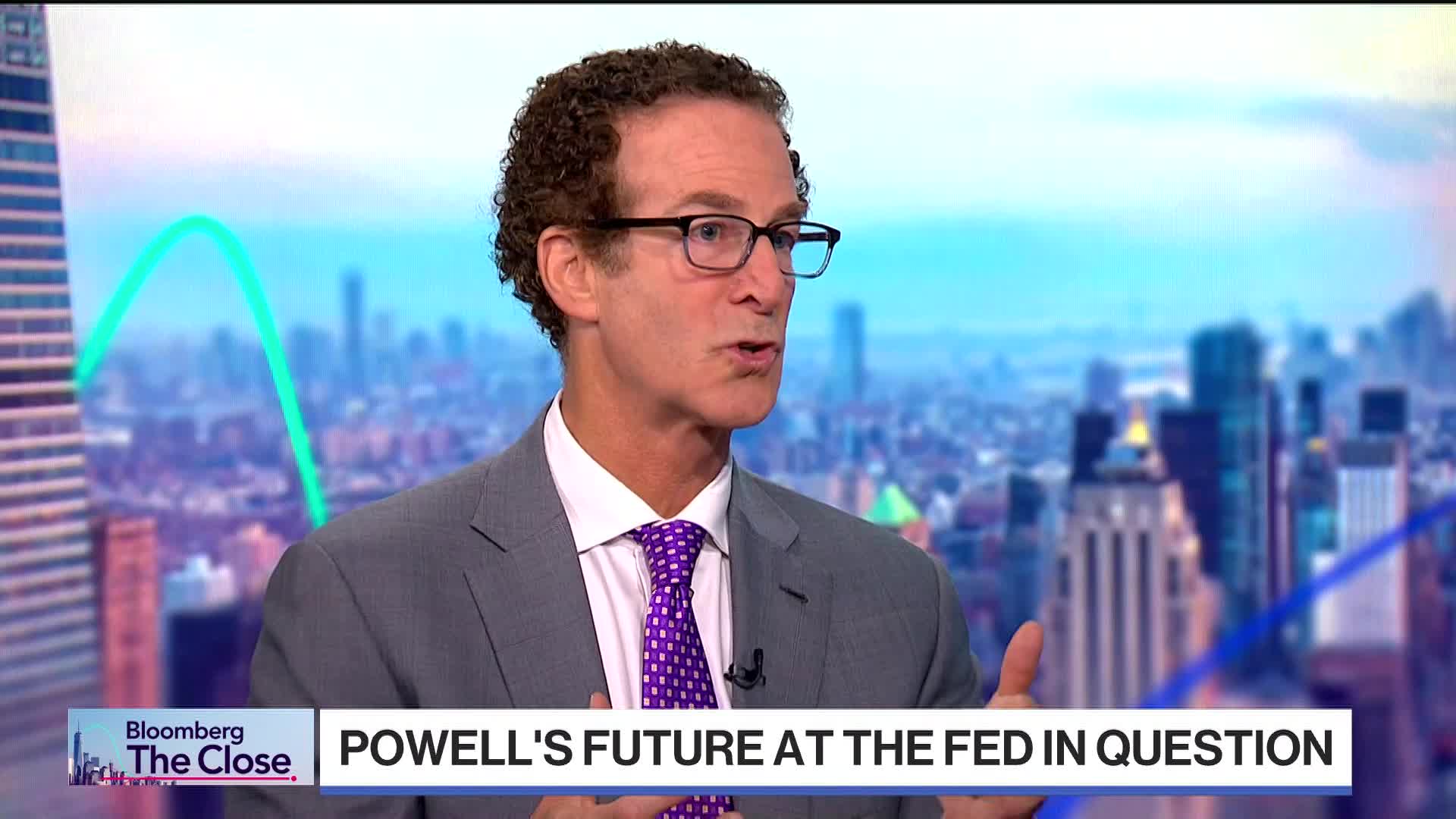
Bruce Richards, Chairman and CEO of Marathon Asset Management, asserts that the Federal Reserve's interest rates are 'simply too high,' reflecting a significant market participant's view that current monetary policy is overly restrictive and potentially signaling expectations for future rate adjustments.
The statement from Bruce Richards, Chairman and CEO of Marathon Asset Management, that Federal Reserve rates are 'simply too high' is a significant data point for institutional investors. As the head of a major asset management firm, his public declaration reflects a view that current monetary policy is overly restrictive, a perspective underscored by the moderately negative sentiment score (-0.5). This commentary directly targets the core macroeconomic themes of monetary policy and interest rates, suggesting that influential market participants may be positioning for, or anticipating, a future dovish pivot from the Fed. The moderate market impact score of 0.55 indicates that while these comments are noteworthy and contribute to the policy debate, they are one of many inputs the market is digesting regarding the Fed's future path.
AI-powered research, real-time alerts, and portfolio analytics for institutional investors.
Request DemoOverall Sentiment
moderately negative
Sentiment Score
-0.50
Ticker Sentiment
