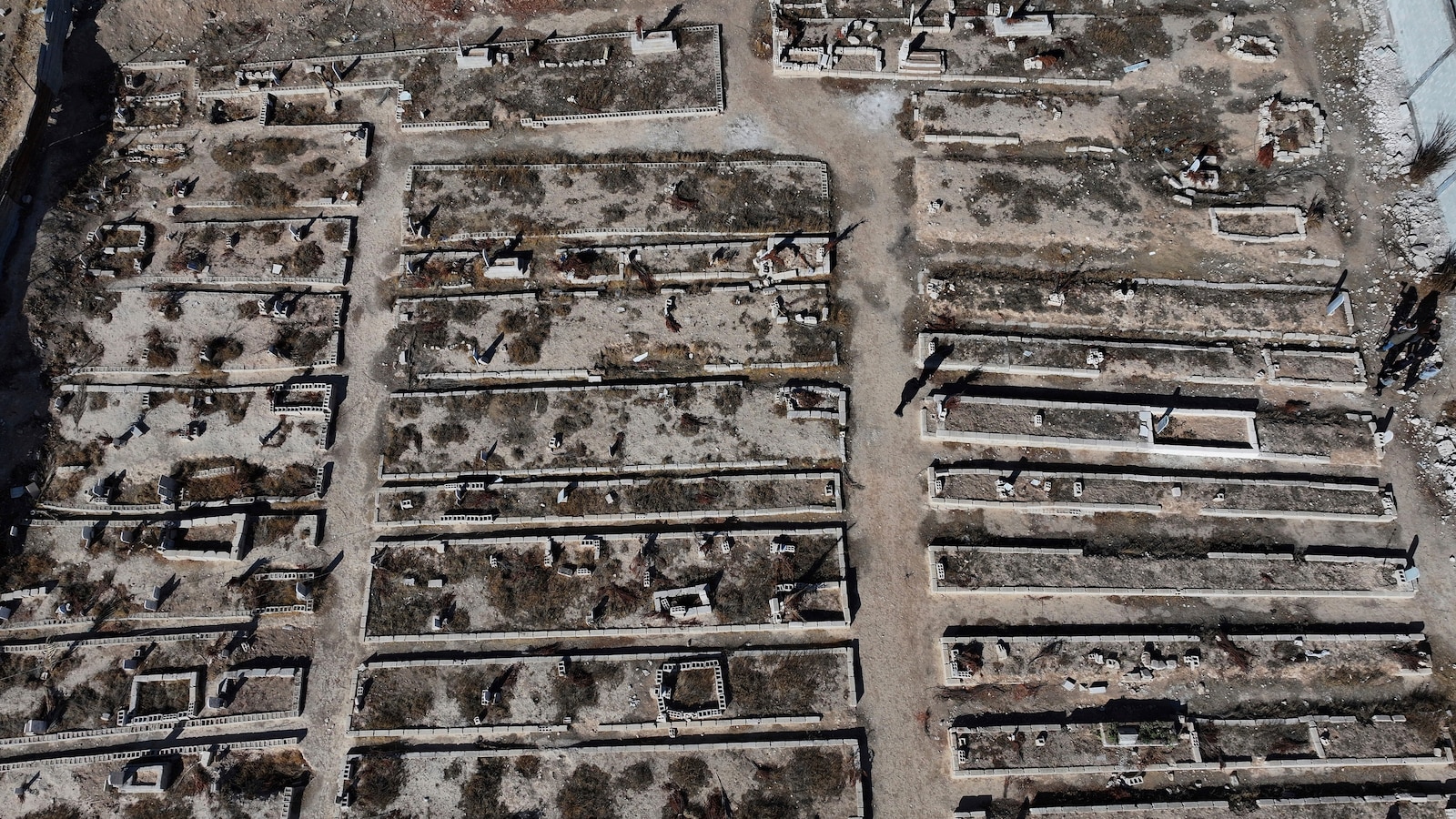
The OPCW said it found dozens of previously undeclared chemical bombs and rockets at several high-priority sites in Syria in recent weeks. The findings underscore the scale of remaining Assad-era chemical weapons concerns, while Syria’s interim government has pledged to destroy any surviving stockpiles and work with international partners. The report is geopolitically significant but has limited direct market impact.
This is less a direct market event than a slow-burn compliance and reconstruction catalyst. The near-term economic winner is the OPCW-industrial cleanup ecosystem: specialist hazmat contractors, remediation engineering firms, sealants/container logistics, and environmental testing vendors should see a multi-quarter pipeline as Syria has incentives to demonstrate cooperation quickly. The larger second-order effect is for neighboring states and aid agencies: each new discovery keeps the country in a higher-risk insurance bucket, which raises the cost of rebuilding ports, roads, and industrial assets even if front-line fighting remains subdued.
The key market implication is that decontamination becomes a prerequisite trade for any meaningful Syria reconstruction story. That delays the translation from regime transition headlines into broad infrastructure capex, so the optionality sits in niche suppliers rather than general contractors or EM sovereign beta. Any company with exposure to explosive ordnance disposal, toxic waste handling, or monitored destruction systems could see “policy-driven” demand emerge faster than traditional rebuilding work, because donor funding is easier to unlock for weapons elimination than for full-scale redevelopment.
The main risk is sequencing: if the discovery count keeps rising, it may strengthen sanctions persistence and slow diplomatic normalization, pushing the reconstruction window from months into years. A reversal would require a clean verification cycle from the OPCW and visible destruction milestones; absent that, the default path is recurring headline risk rather than one-off news. The contrarian angle is that the market may be underpricing how small the direct economic footprint is versus the much larger insurance, permitting, and financing drag across the Levant corridor.
On balance, this is a positive for compliance-linked service providers and a negative for anyone underwriting Syria rebuilding as a near-term capex theme. The trade is not to chase broad EM beta, but to own the picks-and-shovels of remediation while fading premature reconstruction enthusiasm.
AI-powered research, real-time alerts, and portfolio analytics for institutional investors.
Request DemoOverall Sentiment
mildly negative
Sentiment Score
-0.20
