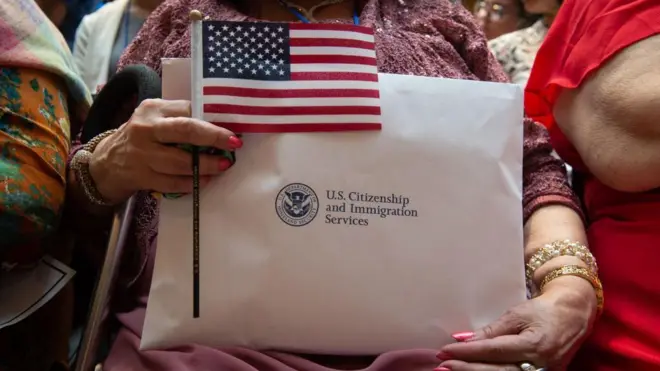
The Trump administration has ordered an indefinite pause on immigrant visa processing for 75 countries effective January 21, citing concerns over entrants who may become public charges; the State Department has not yet released the full list. The suspension, which does not apply to non-immigrant tourist or business visas, follows earlier restrictions on nationals from countries including Brazil, Iran, Russia, Somalia and an initial 19-country pause affecting asylum, citizenship and green card processing, signaling a broadened, security-driven tightening of legal migration routes.
Market structure: The visa pause is a targeted shock to immigrant inflows that benefits firms tied to border enforcement and government contracting (e.g., Leidos/LDOS, L3Harris/LHX) while pressuring travel/tourism, remittance corridors and immigrant-dependent service sectors (hospitality, eldercare, some regional banks). Expect 3–9 month revenue headwinds for carriers and hotels with material passenger share from affected countries; technology H‑1B flows largely unaffected but green‑card backlogs raise retention costs for large tech employers.
Competitive dynamics & supply/demand: Labor supply tightness will be uneven—acute for low‑skill services and nursing where permanent migrants are meaningful, producing localized wage pressure (+50–150bp more labor cost for SMBs in 3–12 months). FX and EM risk repricing likely: USD appreciation vs affected EM currencies and small move to Treasuries as safe haven; travel/hospitality option vols should spike near list publication.
Risk assessment: Tail risks include immediate legal injunctions reversing the pause within 30–90 days, retaliatory measures from affected states, or migrant unrest that broadens economic impact. Catalysts to watch in the next 14 days: State Department list release, weekly consular backlog data and regional FX/sovereign CDS widening >20bp; these will determine trade sizing.
Trade/contrarian view: Markets may overdiscount permanent demand loss—if list omits top origin countries (India/Mexico/Brazil) travel impact will be muted and oversold travel names can rebound. Tactical defensive exposure to defense/security, selective short travel via ETF/options, and a thematic long in healthcare staffing capture asymmetric risk/reward over 3–12 months.
AI-powered research, real-time alerts, and portfolio analytics for institutional investors.
Request DemoOverall Sentiment
moderately negative
Sentiment Score
-0.30
