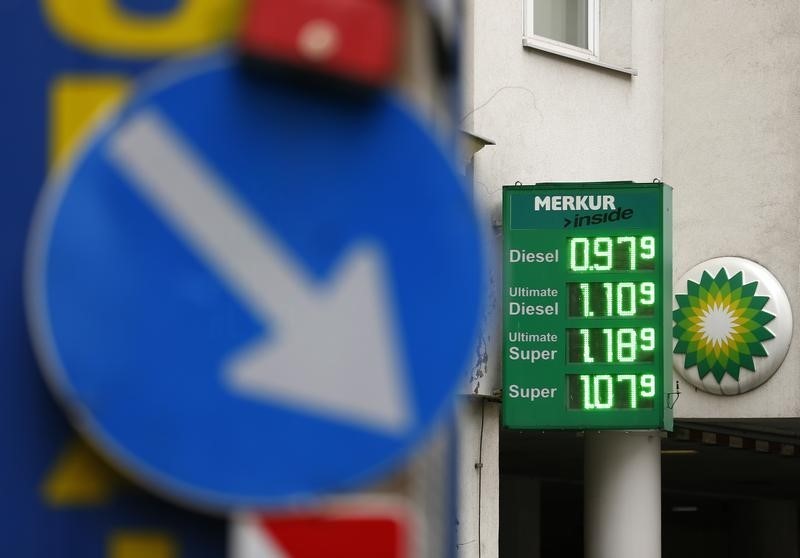
WTI crude for July fell about 4% to $84.20 a barrel and August Brent dropped 3.7% to $87.07 as hopes rose for a U.S.-Iran peace deal. The prospect of a deal reopening the Strait of Hormuz and easing U.S. sanctions pressured U.K. energy names, with BP down 3.7%, Shell 2.6%, and several other producers off more than 3%-4%. Trump said an agreement could be signed as soon as this weekend, though Tehran denied approving any draft text.
The market is pricing a classic headline-driven supply shock unwind, but the more important second-order effect is not just lower crude — it is the removal of a geopolitical risk premium that has been embedded across global shipping, refiners, and energy equities. If the Strait of Hormuz truly reopens, the biggest near-term loser is not only upstream producers but also tanker rates, regional defense logistics, and any name whose margin expansion depended on elevated freight and insurance costs. That means the move can cascade well beyond oil into European industrials and Asian transport if the signal is confirmed.
The setup is fragile because the market is responding to a negotiation premium, not a ratified supply change. With both sides having incentives to leak optimism without executing, the risk/reward is asymmetric for anyone chasing the first leg lower in oil: a failed signing or renewed hostilities can quickly restore the old risk premium within 1-3 sessions. Conversely, if a deal does stick, the decline in crude could persist for weeks as positioning is unwound and systematic trend followers de-lever from energy exposure.
For integrated majors, the first-order hit to commodity price is partially offset by downstream/marketing and balance-sheet resilience, so the sharper relative underperformance should remain in higher-beta E&Ps and dividend-sensitive names. The contrarian angle is that the move may be too linear: lower oil is constructive for inflation, rate expectations, and transport/input costs, so the true beneficiaries may be consumer discretionary and airlines rather than just shorts in energy. The best entry is therefore not blanket bearish energy, but selective expression against the most levered names and through options that monetize a reversal in headline risk.
A key tell over the next 24-72 hours is whether the market starts fading the move despite no formal text: that would indicate the geopolitical premium was overstated and that crude can stabilize even on partial confirmation. If not, the unwind likely continues until inventories and physical differentials re-price, which is a multi-week process rather than a one-day event.
AI-powered research, real-time alerts, and portfolio analytics for institutional investors.
Request DemoOverall Sentiment
mildly positive
Sentiment Score
0.15
Ticker Sentiment
