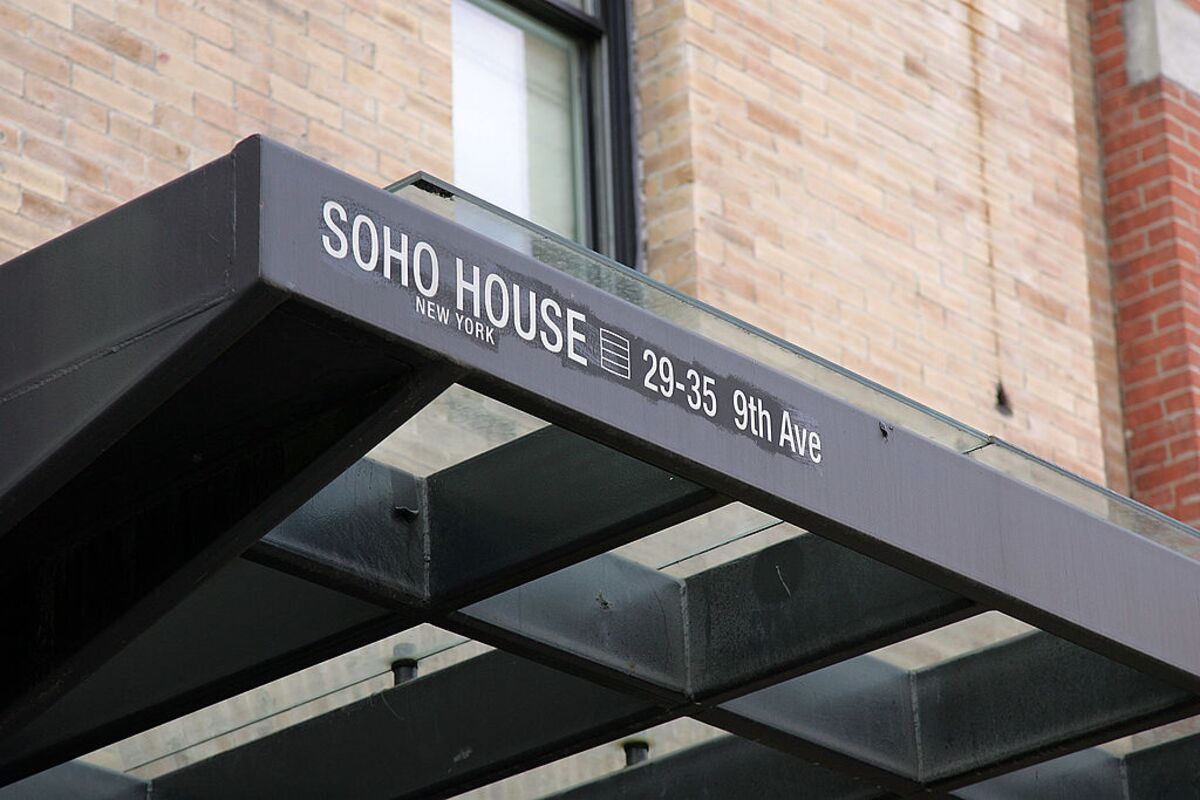
Soho House & Co. has announced its return to private ownership, aligning its structure with its members-only business model, which is deemed more suitable for private markets than public ones. This strategic shift follows its 2021 public listing and a period of significant global expansion.
Soho House & Co. (SHCO) has announced its strategic decision to revert to private ownership, a move that aligns its corporate structure with its exclusive, members-only business model. This pivot is framed as a recognition that the company's brand-centric, curated-experience strategy is more compatible with the long-term, patient capital of private markets than the quarterly performance pressures of being publicly traded. The decision marks a significant reversal from its 2021 IPO, which fueled a period of aggressive global expansion into new cities. While the core logic of the move is viewed with moderately positive sentiment (score of 0.4), the article introduces a cautious tone by flagging the timing as potentially 'awkward', suggesting that the catalyst for going private may involve underlying challenges or pressures beyond a simple strategic preference.
AI-powered research, real-time alerts, and portfolio analytics for institutional investors.
Request DemoOverall Sentiment
moderately positive
Sentiment Score
0.40
Ticker Sentiment
