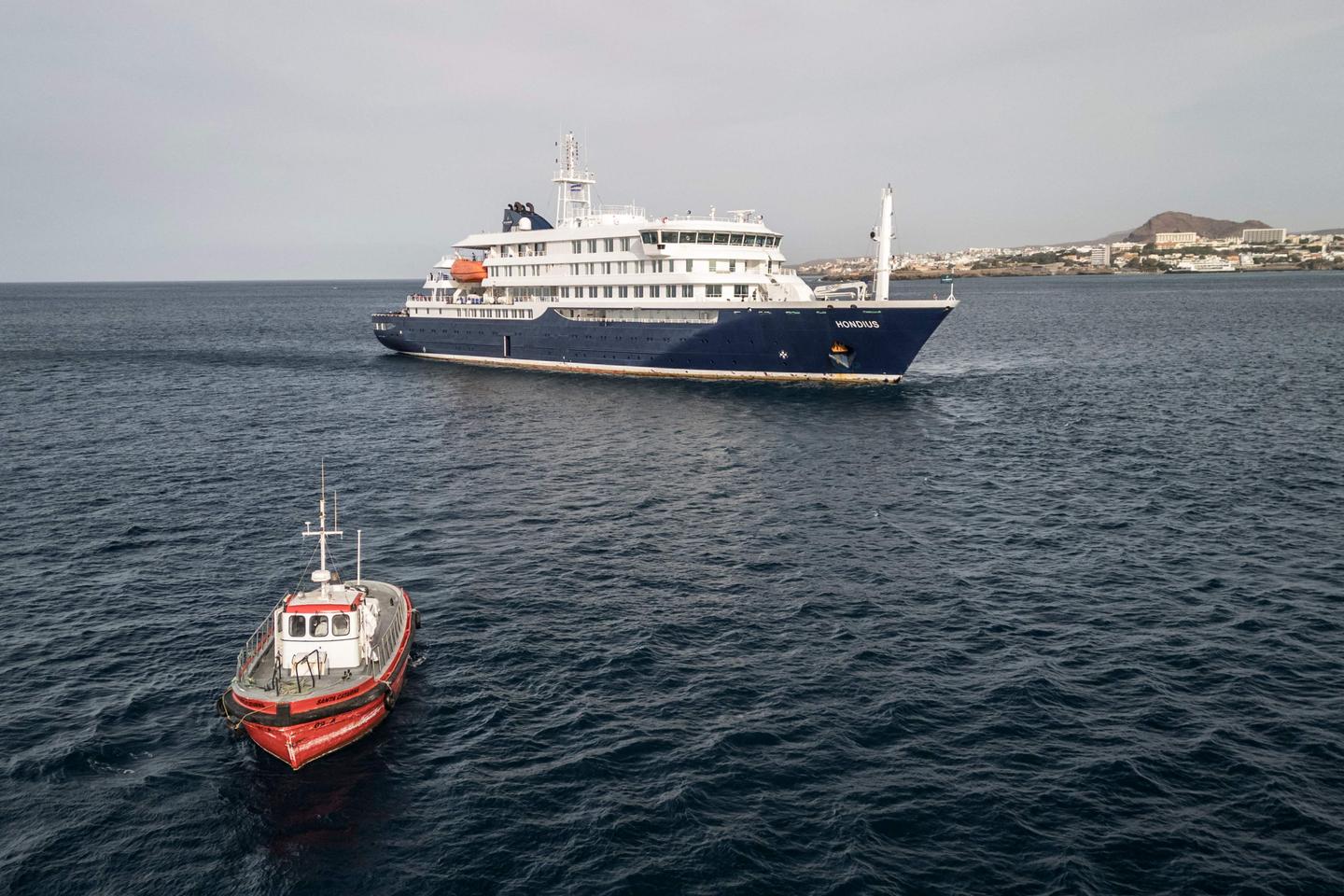
Health authorities are preparing to repatriate five French cruise passengers from the MV Hondius after hantavirus concerns linked to the ship, where three deaths have already been reported. Eight additional French contact cases from a separate flight are also under monitoring, with plans for a single controlled point of entry in France for testing, isolation, and hospitalization. The news is operationally relevant for travel and public health, but it is unlikely to have broad market impact.
This is a near-term operational shock more than a macro event, but the second-order effect is a temporary tightening of screening, routing, and quarantine protocols across European leisure travel. The market usually underprices how quickly one index case can force airlines, airports, and cruise operators into precautionary overreaction: additional testing, passenger rebooking, crew isolation, and reputational drag can hit bookings for days to weeks even if the medical outcome remains contained. The direct earnings hit is likely small, but the variance in forward demand is rising, which matters for names trading on high occupancy assumptions.
The most exposed are cruise and short-haul leisure carriers with higher sensitivity to headline risk and easier substitution into postponement. Cruise operators face the nastiest asymmetry because they sell future confidence, not just capacity; a single incident can create a 1-3 quarter booking softness halo across the sector even if the event is geographically contained. Airports and ground-handling providers are more insulated, but any mandated single-point entry and centralized health processing creates localized bottlenecks that can ripple into delay costs and missed connections, especially for hub airports with high transfer traffic.
Consensus will likely treat this as a one-off and fade it, which may be too complacent given how many passengers and crew are still in the pipeline and how quickly these events become policy precedents. The bigger risk is not this specific virus, but the template it reinforces: if health authorities tighten cruise/air travel screening into the summer travel peak, the elasticity of demand is worse than models assume. Conversely, if repatriation and isolation are handled cleanly over the next 7-14 days, the trade unwinds fast because the market will conclude the operational response is manageable and the contagion story was overstated.
AI-powered research, real-time alerts, and portfolio analytics for institutional investors.
Request DemoOverall Sentiment
mildly negative
Sentiment Score
-0.15
