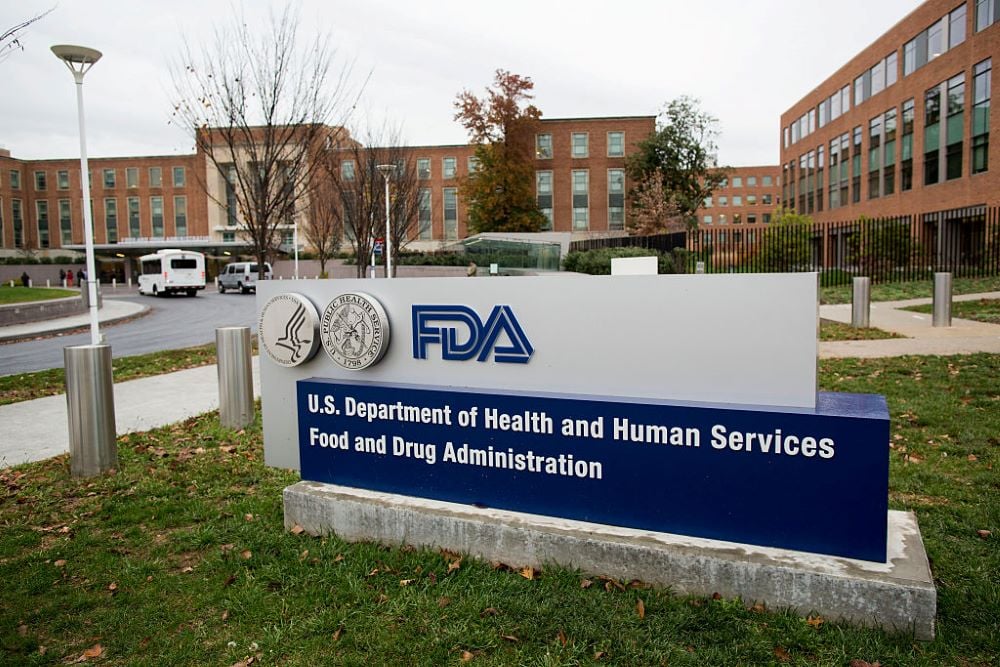
The FDA said results are missing for 30% of clinical studies in the U.S. clinical trials database and has sent reminders to 2,200 drug companies, device makers and researchers covering about 3,000 trials. The agency is seeking voluntary compliance first, but enforcement can escalate to warning letters and penalties of up to $10,000. The issue highlights transparency and reporting-risk concerns for healthcare sponsors, though the immediate market impact is likely limited.
The immediate market read is not about a blanket “FDA crackdown” but about a widening compliance gap becoming a selective liability filter. Sponsors with sloppy regulatory operations, thin legal teams, or legacy trial inventories are most exposed because the enforcement path is low-cost for the FDA and asymmetric for issuers: even a modest fine or warning letter can become a diligence overhang, delay partnering discussions, and raise the probability of broader document review. That matters most for smaller biotechs and device companies where governance risk is already priced only superficially until a headline hits. The second-order effect is on capital formation. Any issuer with unresolved trial-reporting obligations may face higher cost of capital as investors haircut the credibility of disclosed pipelines and endpoints, particularly in pre-commercial names that depend on narrative momentum more than recurring cash flow. For competitors, cleaner reporters gain a relative trust premium with physicians, KOLs, and acquirers, because the market will increasingly treat public trial transparency as a governance signal, not a clerical issue. OCGN is the cleanest public-market expression of this risk because it already sits in the bucket where enforcement risk can matter more than dollar size of the penalty. The near-term catalyst is binary and timing-sensitive: FDA follow-up could come in days to weeks, while actual financial damage may show up over months through financing terms, partnering appetite, or a renewed governance discount. The contrarian view is that this is probably not a sector-wide earnings event; the median large-cap pharma name will absorb this with little impact, so the trade should be targeted at weak-compliance smaller names rather than broad healthcare shorts. If the FDA follows the reminder with visible enforcement, the market may briefly overreact and sell any issuer with historical disclosure friction, creating a short-lived dislocation. Conversely, if the agency stops at reminders, the headline fade should be fast, and the best setup becomes buying quality biotech relative to non-compliant peers rather than betting on a sustained regulatory repricing.
AI-powered research, real-time alerts, and portfolio analytics for institutional investors.
Request DemoOverall Sentiment
mildly negative
Sentiment Score
-0.15
Ticker Sentiment
