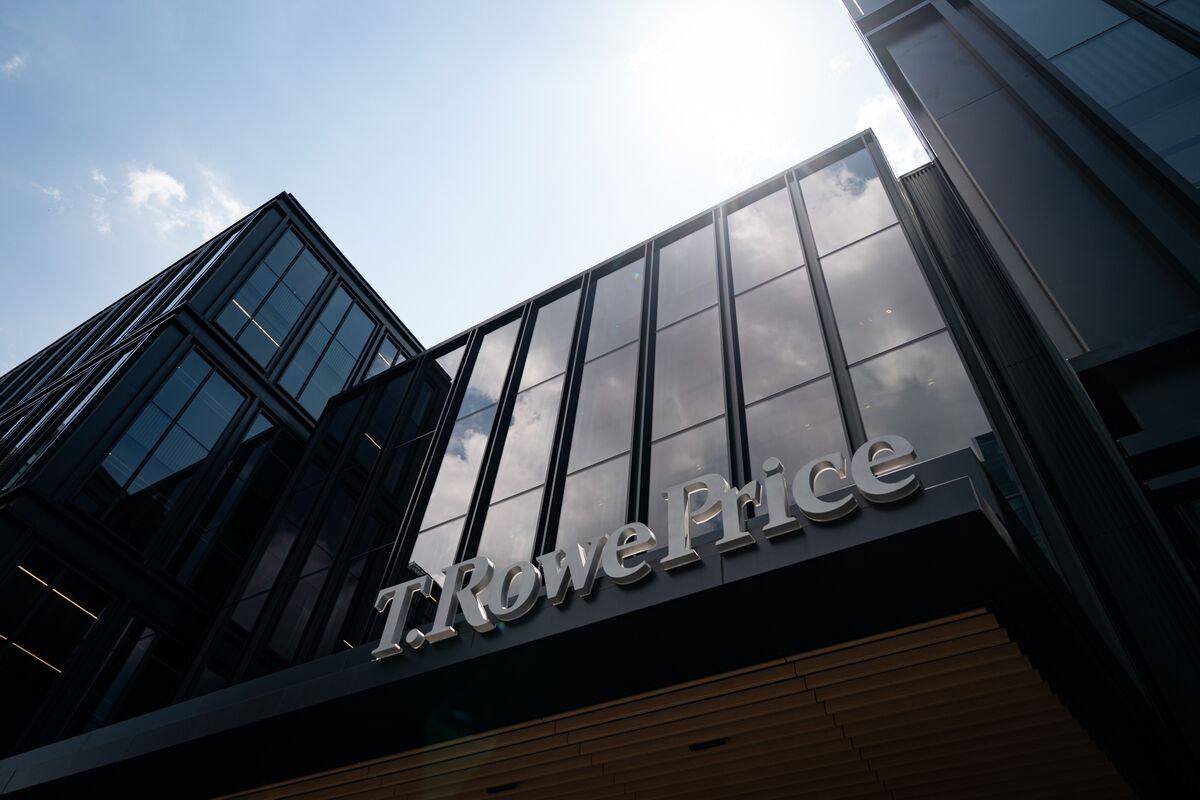
Traditional active mutual funds are experiencing a "slow but surely declining trajectory" as retail investors increasingly opt for low-cost index funds or direct stock investing. This shift, primarily driven by index funds' minimal fees and active funds' consistent underperformance against benchmarks, significantly challenges the established distribution networks and customer asset accumulation strategies of traditional asset managers like T. Rowe Price and Fidelity.
The traditional asset management sector is confronting a significant structural headwind, characterized by a "slow but surely declining trajectory" for actively managed mutual funds. This secular shift is driven by retail investors increasingly favoring low-cost passive index funds, which charge fees in the single basis points, and direct stock investing over traditional active products that can charge fees upwards of tens of basis points. Consequently, the core business models of established managers like T. Rowe Price, which have historically relied on strong distribution networks and brand recognition, are under pressure. While these firms possess vast customer bases, the article frames a key industry dilemma: alternative managers hold the in-demand products while traditional firms face eroding interest in their flagship offerings, a situation reflected in the specific negative sentiment (-0.5) associated with T. Rowe Price (TROW).
AI-powered research, real-time alerts, and portfolio analytics for institutional investors.
Request DemoOverall Sentiment
mildly negative
Sentiment Score
-0.35
Ticker Sentiment
