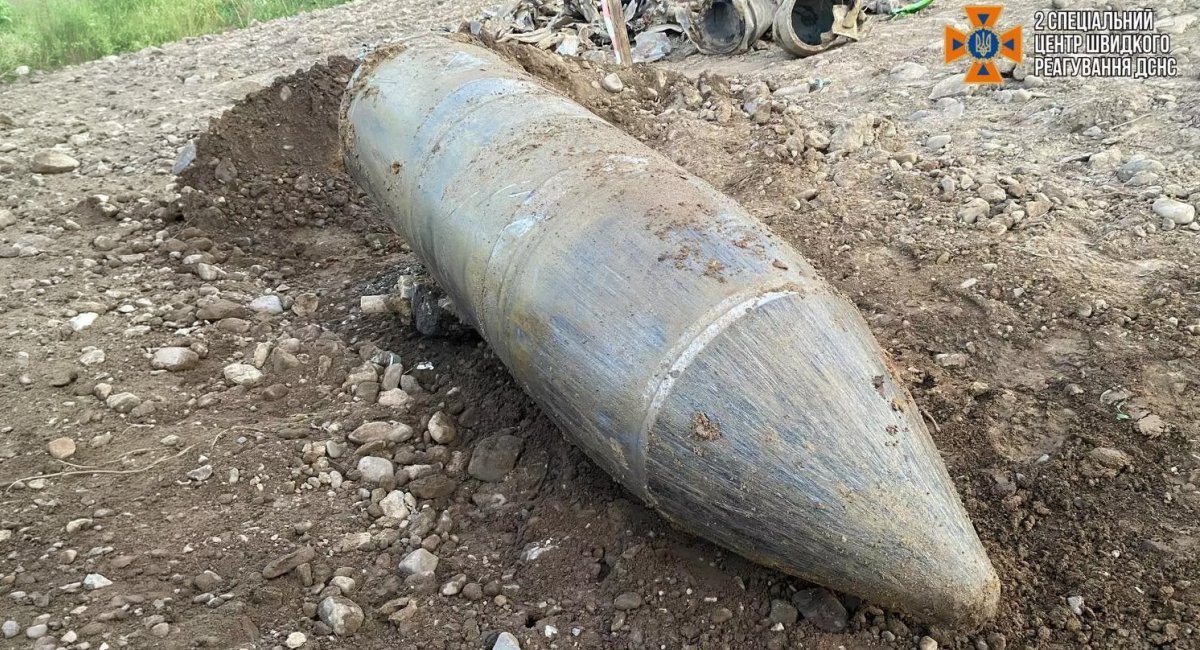
Russia is reportedly considering strikes on deeply buried government and command facilities in central Kyiv, including so-called "decision-making centers," but publicly known Russian conventional weapons appear incapable of effectively reaching targets buried near 100 meters. The article highlights that Russia's current bunker-busting capabilities are limited to roughly 3-20 meters of penetration depending on the weapon, while Kyiv's air defenses make direct delivery difficult. The piece is largely analytical and geopolitical, with limited immediate market impact beyond defense-risk sentiment.
The market implication is less about an immediate battlefield shift and more about the growing asymmetry between headline risk and actual military capability. That gap matters because it lowers the probability that this threat can be monetized into a durable strategic escalation, which should cap any near-term risk premium in European defense and energy assets tied to a perceived “Kyiv decapitation” scenario. The bigger second-order effect is psychological: even failed attempts can still force Ukraine and its backers to reprice survivability, continuity planning, and physical redundancy across command, telecom, and power nodes.
For infrastructure and defense beneficiaries, the opportunity is in systems that harden distributed command rather than single-site protection. That favors firms exposed to secure comms, edge computing, cyber resiliency, mobile power, and civil defense infrastructure more than pure kinetic missile defense; the latter remains supply-constrained and slower to scale. If the market starts assuming deeper underground facilities are invulnerable, it should accelerate spending on deception, dispersion, and alternate command architecture, which is a multi-quarter budget theme rather than a one-off event.
The key catalyst window is days-to-weeks around any credible strike rumor or attempted raid, but the tradeable consequences extend over months if Ukraine and NATO respond by formalizing hardened continuity programs. The main reversal risk is if Moscow demonstrates improved target acquisition or a new warhead class, which would rapidly reprice survivability assumptions and boost demand for air defense, shelters, and hardened infrastructure. Still, the consensus may be overestimating near-term Russian ability to convert rhetoric into strategic leverage; the more likely outcome is more noise than capability, which argues against chasing panic bids in broader Europe risk assets.
AI-powered research, real-time alerts, and portfolio analytics for institutional investors.
Request DemoOverall Sentiment
mildly negative
Sentiment Score
-0.15
