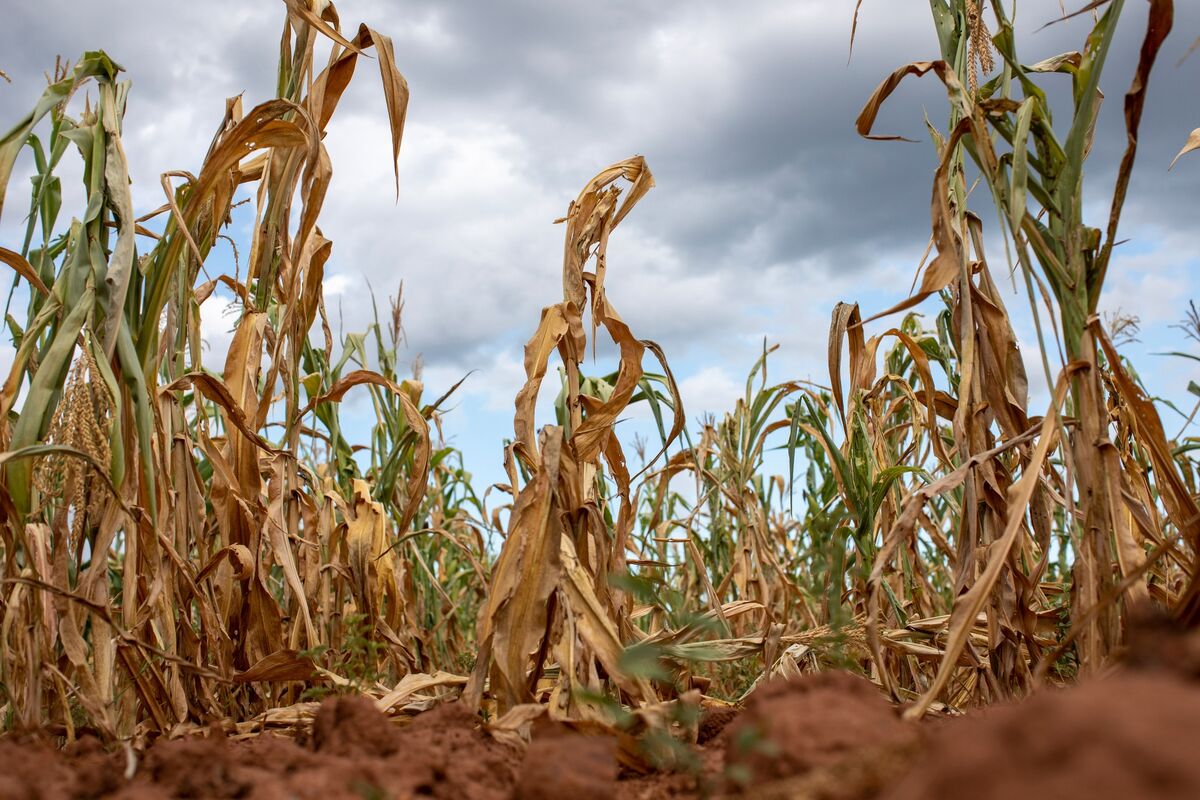
African nations are bracing for the worst El Niño in nearly eight decades, with drought expected across the south and the Sahel and floods likely in the east. The anticipated weather shock raises near-term risks to African economic activity via agricultural disruptions, higher food/energy volatility, and damage to logistics and supply chains.
The cleanest market read is not “Africa risk” in the abstract; it is a volatility shock to agricultural input/output curves. The first-order winners are global soft-commodity exposures with tight deliverable balances — cocoa and coffee are the most direct, with grain and sugar as second-order spillovers if planting/flood damage persists. Grain traders and merchandisers can also benefit from wider regional basis dislocations and arbitrage, while local food processors, poultry feed users, and consumer staples in the most exposed countries face margin squeeze from both higher raw materials and weaker local currencies.
The more durable damage shows up through macro transmission, not immediate equity earnings: food inflation, FX pressure, and higher emergency import bills can force tighter policy just as growth weakens. That is bearish for domestic banks and sovereign credits in affected markets, and for utilities that rely on hydropower where drought lowers generation and forces more expensive diesel backfill. In the next 1-3 months, the key catalysts are crop-condition revisions, reservoir levels, and any emergency import or subsidy measures; over 6-18 months the issue becomes debt service and inflation persistence rather than the weather event itself.
The contrarian point: broad selloffs in Africa-linked assets can be a blunt instrument because listed equity exposure to the most vulnerable households is thin, and much of the real economic loss is unlisted/uninsured. The better expression is to isolate the commodity and inflation channels rather than shorting “Africa” broadly. What would falsify the thesis is a rapid normalization in rainfall patterns, no upward revision in crop-loss estimates, and no move in local food-price or sovereign-spread data within the next few weeks.
AI-powered research, real-time alerts, and portfolio analytics for institutional investors.
Request DemoOverall Sentiment
moderately negative
Sentiment Score
-0.45
