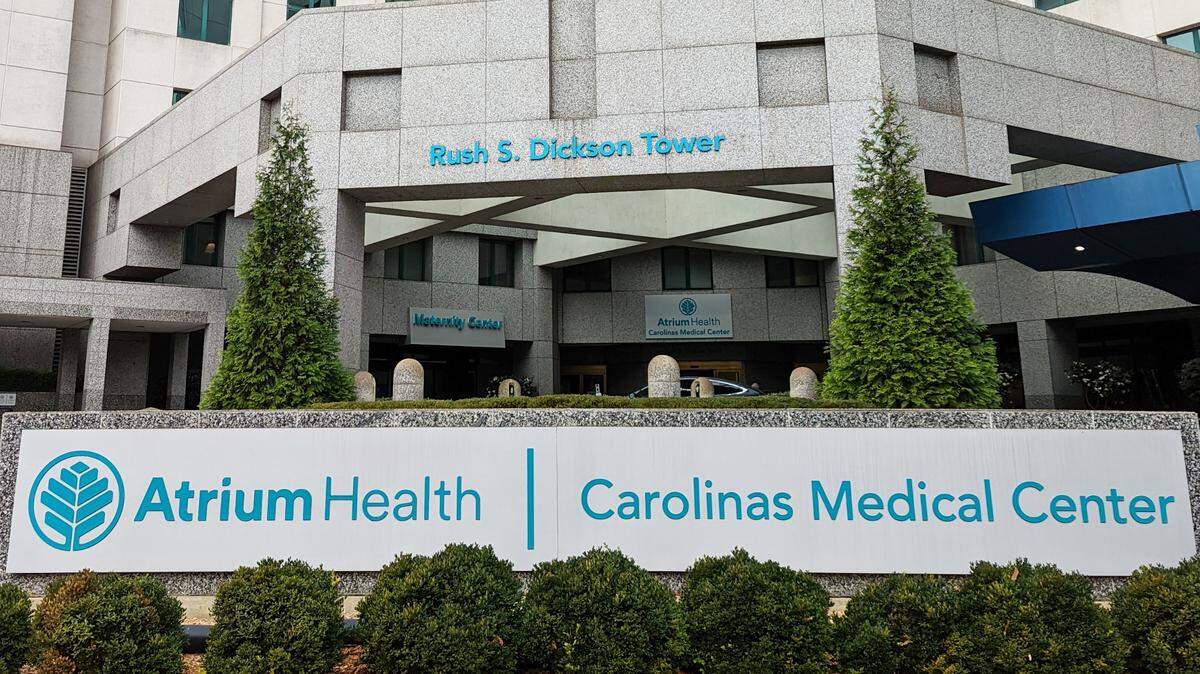
Atrium Health and WakeMed proposed a $2 billion strategic combination that would create 3,300 new health care jobs over five years and expand services for 1 million people across North Carolina. The plan includes major capacity additions, a larger virtual care network with at least 100,000 additional annual virtual visits, and a behavioral health network with more than 360 inpatient beds. The deal still requires approval from Wake County commissioners on May 4 and could face regulatory scrutiny from the Attorney General and FTC.
This is less a headline about healthcare capacity and more a bid for control of the regional referral funnel. If approved, the combined platform likely gains negotiating leverage with payers, physician groups, and municipal partners, which can translate into better site-of-care steering toward owned outpatient, virtual, and specialty assets. The biggest second-order winner is the academic/innovation ecosystem around Wake Forest and adjacent life-sciences nodes: more residency slots and specialty throughput create a pipeline effect that can attract grant dollars, lab tenants, and device/pharma pilots faster than a standalone hospital expansion.
The loser set is broader than direct hospital competitors. Smaller community hospitals, independent behavioral health operators, and outpatient specialty groups face a tougher capital and referral environment once a scaled nonprofit system bundles primary, virtual, inpatient, and mental health access under one umbrella. The mental-health component is particularly important because it can reduce leakage to third-party behavioral networks and shift commercial mix toward integrated, lower-acuity management, which pressures standalone psych facilities and tele-mental-health pure plays over a multi-year horizon.
The near-term catalyst is regulatory, and the market is likely underpricing how much the antitrust process can reshape economics even if the deal is approved. A delayed or condition-heavy approval would likely force concessions on pricing, service commitments, or divestitures, which would mute the strategic value but still leave the capital spending burden in place. That asymmetry matters: the upside is gradual and operational, while the downside can appear quickly if the AG/FTC impose constraints or if county approval turns into a political bargaining event.
Contrarian view: the headline $2B commitment may be more defensive than expansive. In a sector where labor is the bottleneck, adding jobs and sites can compress margins before any revenue synergies show up, especially if wage inflation and integration costs outpace payer repricing. The real hidden risk is that the combination becomes a public-policy target for affordability scrutiny, making this a long-duration integration story with limited near-term earnings accretion.
AI-powered research, real-time alerts, and portfolio analytics for institutional investors.
Request DemoOverall Sentiment
mildly positive
Sentiment Score
0.45
