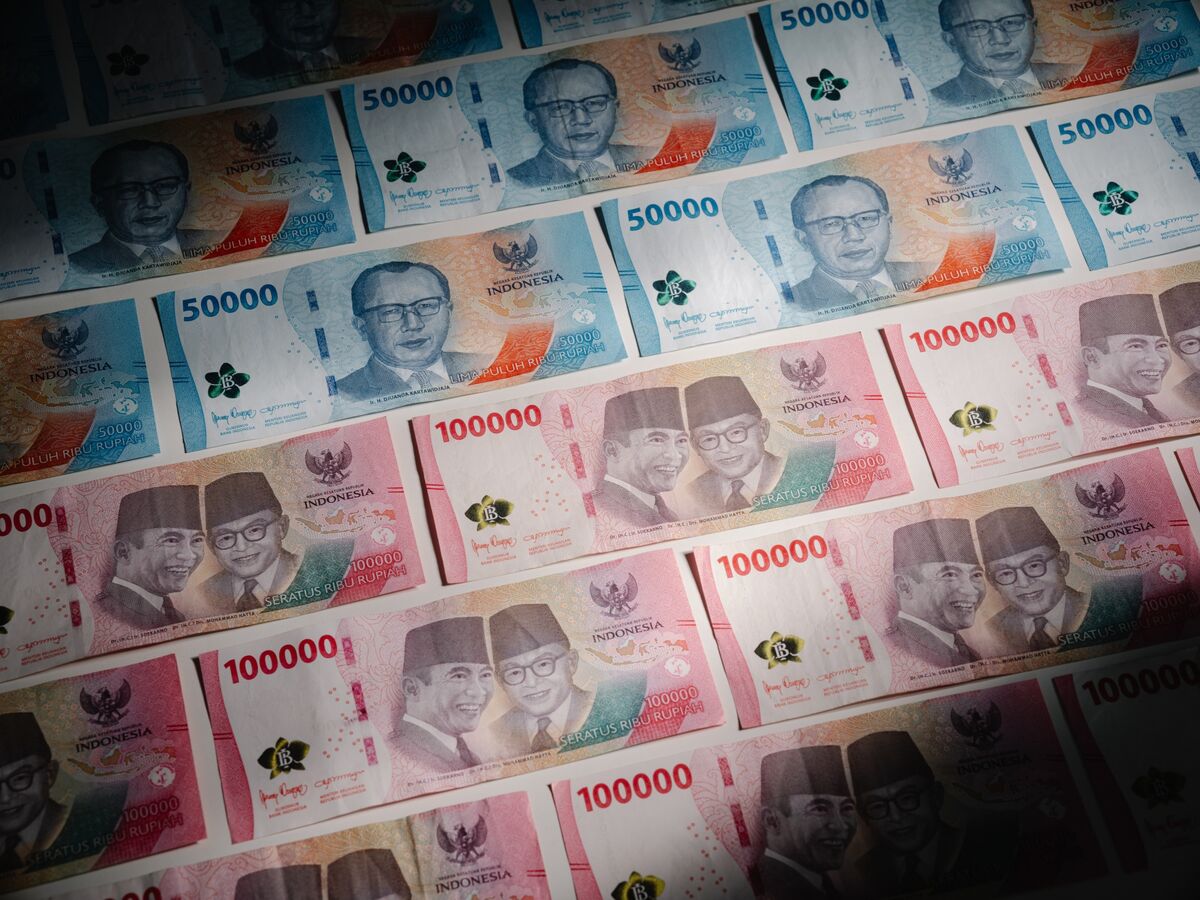
Indonesia plans to issue rules next year to establish trustee institutions and special-purpose vehicles, a move that would allow state fund Danantara to set up a trust fund to mobilize onshore capital. The Finance Ministry said the measures aim to attract more private and institutional funds — including domestic money parked offshore — to support economic growth; if enacted, the framework could unlock additional local investor flows into Indonesian fixed income and private-market assets, altering financing dynamics for sovereign and corporate issuers.
Market-structure: The framework materially increases onshore institutional demand for IDR assets — winners are domestic asset managers, custodian/trust providers, large banks (deposit/gateway providers) and long-duration sovereign/corporate bonds; losers include offshore EM allocators and USD-funded credit that rely on external demand. Expect local yield curves to steepen lower (10y down 30–70bps possible over 6–12 months) and credit spreads to compress 50–150bps in high-quality IG local corporates as supply is absorbed by domestic pools.
Risk assessment: Tail risks include sloppy SPV/trust law design (operational/regulatory arbitrage) causing legal disputes and rapid capital re-exit, or political pressure to direct flows into loss-making SOEs; probability low-medium but impact high (credit spread widening >200bps). Near-term (days–weeks) volatility will track rule drafts; short-term (3–6 months) pricing will reflect initial uptake; long-term (12–36 months) could reprice Indonesia’s foreign funding need down materially. Hidden dependency: success hinges on tax, KYC and repatriation incentives — absent clear FX and tax treatment, offshore capital may not repatriate.
Trade implications: Implement long IDR local-duration and selective Indonesian banks, plus IDR carry vs USD. Options: sell volatility on local bond futures or buy 3–12 month IDR forwards if carry >2% p.a. Catalysts include draft publication (within 60 days) and first trust issuance by Danantara; reversals if draft delayed >120 days or market disputes legal clarity.
Contrarian angles: Consensus underestimates execution friction — initial inflows may target short-dated govt bills, not long-duration projects, creating front-end squeeze and reinvestment risk. Historical parallels: EM onshore mobilization (e.g., Brazil pension reforms) tightened yields but later raised governance scrutiny; unintended consequences include asset-liability mismatches at banks and reduced FX liquidity if repatriation concentrates in IDR sight deposits.
AI-powered research, real-time alerts, and portfolio analytics for institutional investors.
Request DemoOverall Sentiment
mildly positive
Sentiment Score
0.25
