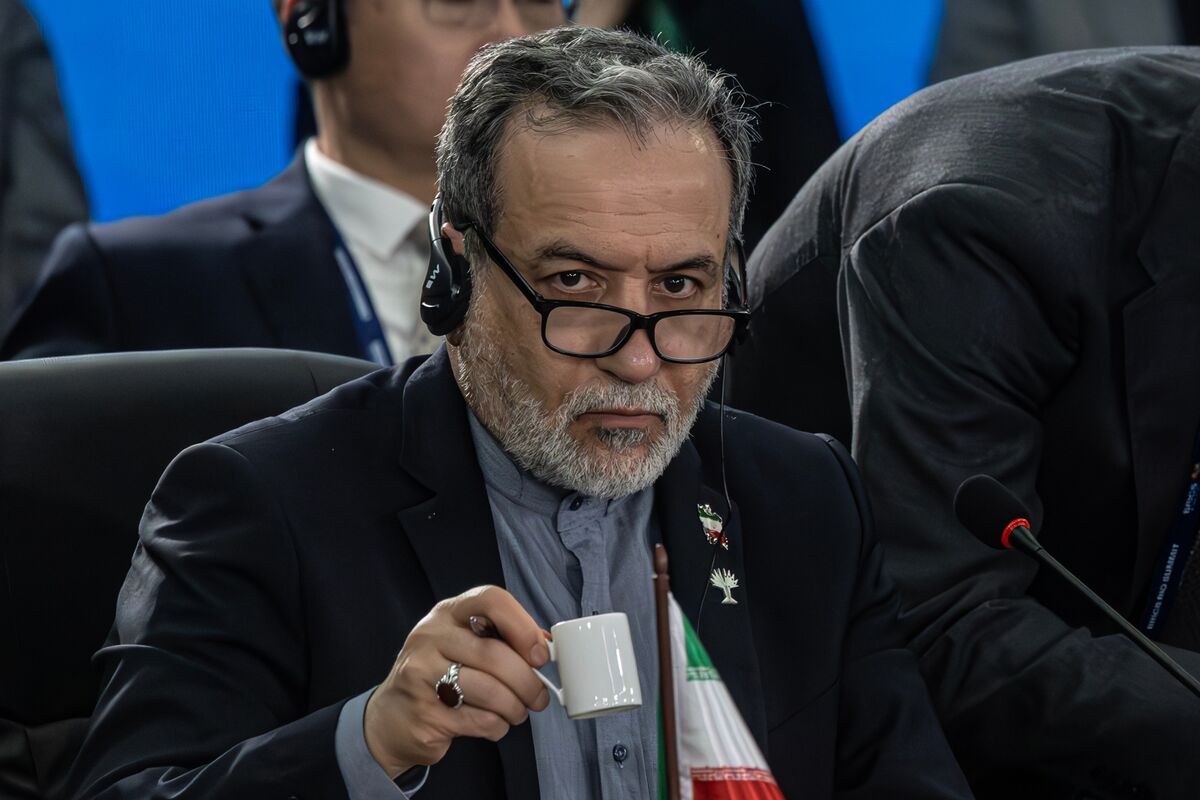
Iran’s foreign minister is traveling to Beijing for talks after US and Israeli strikes triggered what the article describes as the most severe global oil supply shock in history. The visit signals continued geopolitical escalation risk and potential implications for regional stability and energy flows. While no concrete policy outcome was announced, the headline event is highly relevant for crude oil markets and broader risk sentiment.
This is less about the meeting itself and more about whether Beijing is signaling a willingness to become the marginal backstop for a disrupted energy system. If China leans into mediation or transactional support, the near-term effect is probably not immediate de-escalation but a lower probability of outright widening of the conflict premium; if it refrains, markets will read the visit as symbolic and keep pricing a persistent supply-risk floor. Either way, the key second-order effect is that Asian buyers have the most to lose from a prolonged shock, so any hint of Chinese involvement can compress implied volatility in crude faster than spot falls.
The market is likely still underappreciating the supply-chain transmission channel. Higher crude does not just benefit upstream producers; it raises freight, petrochemical feedstock, and airline fuel costs with a lag of days to weeks, then flows into inventory restocking and working-capital stress over 1-2 quarters. That argues for relative rather than outright energy exposure: the best longs are assets with pricing power and limited volume sensitivity, while the most vulnerable are energy-intensive industrials and consumer-discretionary names with weak pass-through.
The contrarian angle is that geopolitical headlines can overstate immediate barrel loss while underestimating the policy response from the largest commodity importer. China has strong incentives to prevent a sustained oil shock from feeding domestic inflation or slowing exports, so even low-probability diplomacy can cap the upside in Brent more effectively than traders expect. But absent a concrete supply restoration mechanism, this is a time-buying event, not a regime change, and the risk premium can remain elevated for months even if spot retraces on headline relief.
AI-powered research, real-time alerts, and portfolio analytics for institutional investors.
Request DemoOverall Sentiment
mildly negative
Sentiment Score
-0.35
