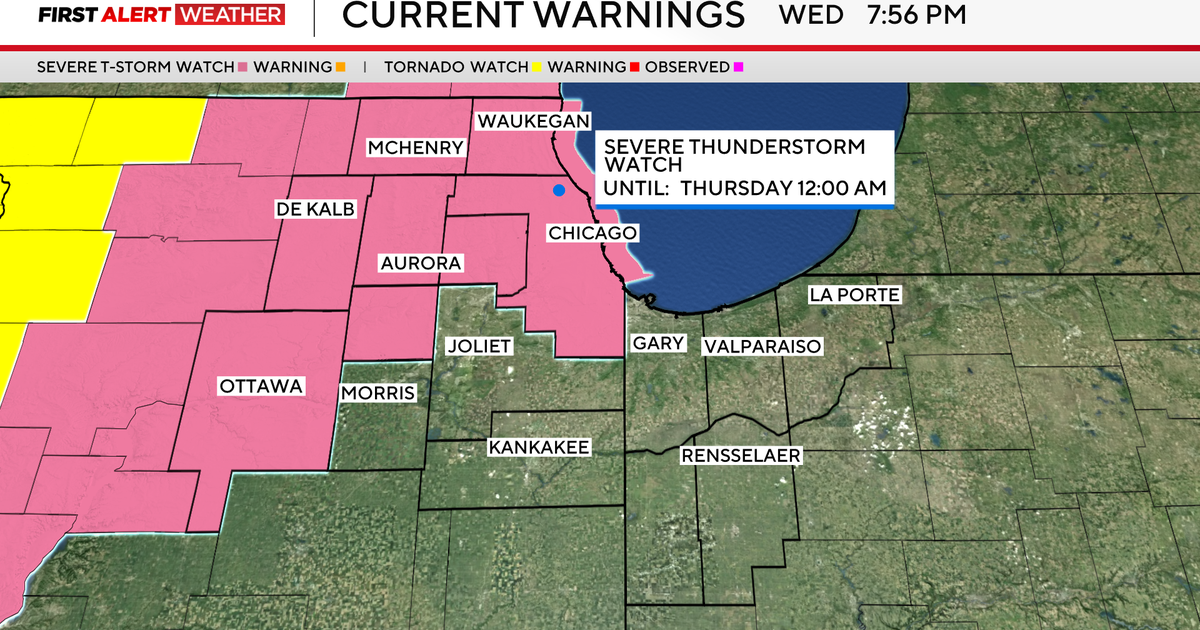
A reported tornado in Lena, Illinois caused extensive damage, downed trees and wires, and shut the town down, with no deaths or serious injuries reported. Authorities said there is no way into town, emergency services are assisting residents, and schools may have sustained damage, though students were kept safe. The event is primarily a localized weather disruption with limited broader market impact.
This is a short-duration operational shock rather than a macro event, but the second-order effects can linger for days to weeks through local logistics disruption and emergency response spending. The immediate economic damage is concentrated in micro-caps: municipal services, school district repairs, local contractors, tree/wire removal, portable generators, and telecom restoration. For broader markets, the key read-through is not the tornado itself but the resilience test of regional distribution networks in northern Illinois, a corridor that feeds into Chicago-area freight, agricultural inputs, and last-mile service routes.
The near-term winner set is the disaster-response stack: debris clearance, temporary power, roofing, insurance-adjusted construction, and communications restoration. The loser set is any asset exposed to same-day locality shutdowns — small businesses, schools, and carriers with tight route density — though the revenue impact is usually deferred rather than permanently lost. If the storm track expands toward Chicago, the risk shifts from local rebuild spend to wider transport friction, including delayed truck turns, labor absenteeism, and temporary premium pricing in spot logistics.
The contrarian angle is that markets often underprice how quickly these events become procurement events. The first 24-72 hours can favor vendors with inventory and dispatch capability more than pure construction exposure, because bottlenecks are in power, access, and clearing, not rebuilding. The bigger risk is reputational and regulatory: if another round of storms produces injuries or broader infrastructure damage, the political response can accelerate emergency spending and utility scrutiny, which matters more for public-sector contractors and regulated utilities than for the affected town itself.
AI-powered research, real-time alerts, and portfolio analytics for institutional investors.
Request TrialOverall Sentiment
mildly negative
Sentiment Score
-0.20
