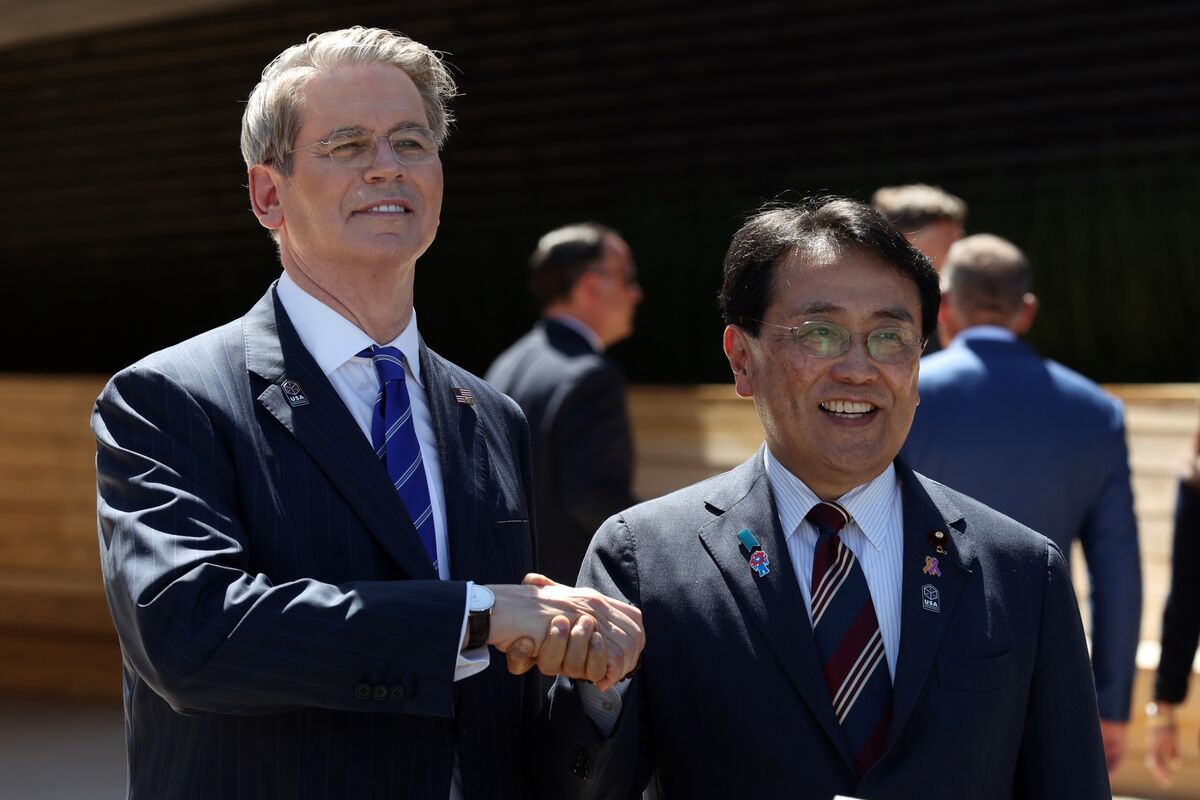
US Treasury Under Secretary for International Affairs Jay Shambaugh clarified that the United States is not pressuring Japan to raise interest rates. This statement, made in Washington, directly contradicts recent market speculation and signals the US respects the Bank of Japan's monetary policy independence, potentially influencing future expectations for BOJ actions and yen valuation.
A high-ranking US Treasury official, Under Secretary Jay Shambaugh, has officially stated that the United States is not pressuring Japan to raise its interest rates. This clarification directly counters recent market speculation that external pressure from the U.S. might compel the Bank of Japan (BOJ) to adopt a more hawkish monetary policy stance. The statement serves as a significant signal of the US administration's respect for the BOJ's policy independence, effectively removing a key geopolitical variable from the calculus of future Japanese rate movements. Consequently, the impetus for any policy tightening by the BOJ now rests squarely on domestic economic factors. This development tempers expectations for any imminent, externally-forced policy shifts and suggests that the future path of Japanese interest rates, and by extension the valuation of the yen, will be determined by a more deliberate, internally-focused assessment of Japan's economic conditions.
AI-powered research, real-time alerts, and portfolio analytics for institutional investors.
Request DemoOverall Sentiment
mildly positive
Sentiment Score
0.30
