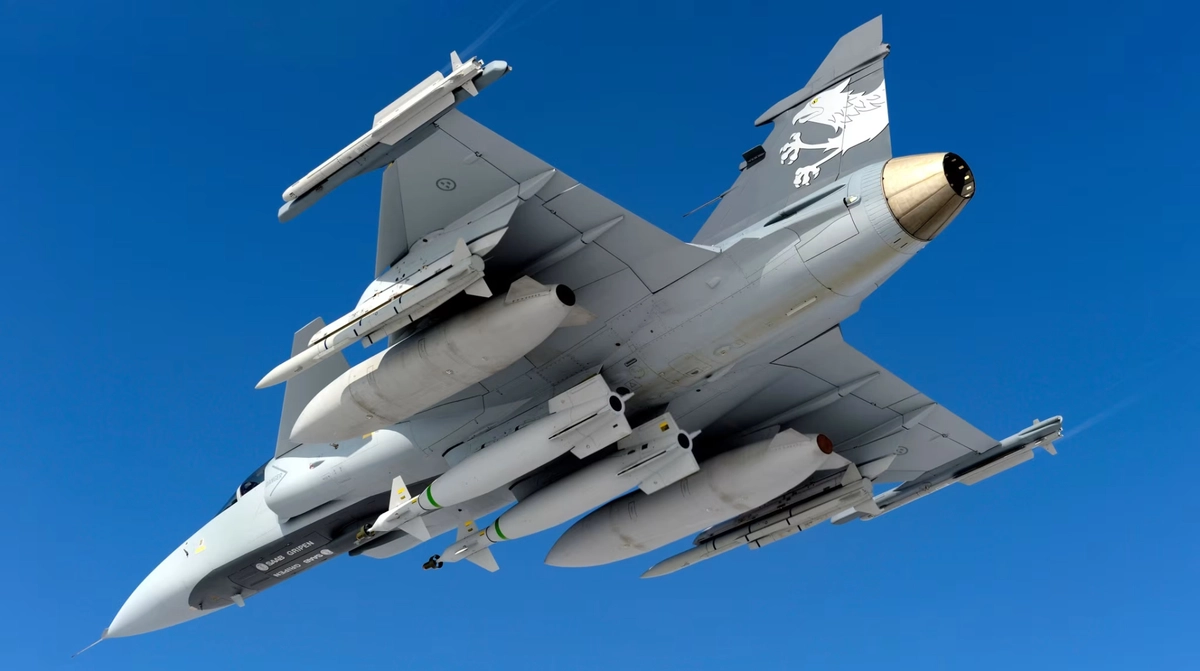
Ukraine is set to receive the first batch of Saab JAS 39 Gripen fighters together with Meteor long-range air-to-air missiles, a significant upgrade to its air defense and strike deterrence capability. The Meteor has a range of over 100 km and speed above Mach 4, which could help push Russian aircraft and guided bombs farther from the front lines. The article also says Ukraine expects the first Gripens within 10 months and plans to procure 22 E variants plus 16 C/D aircraft from Sweden.
This is less a single weapons headline than a signal that Ukraine is shifting from point-defense to a layered air-denial posture. The important second-order effect is on Russian stand-off tactics: if the new platform meaningfully extends the threat envelope for bomb carriers, Russian aviation must either fly farther back, accept higher attrition, or lean more heavily on slower, less precise strike systems. That usually compresses battlefield efficiency before it shows up in headline aircraft losses, which means the first market impact is likely in expectations around the duration and intensity of the conflict rather than in immediate defense procurement revenue.
For defense equities, the nearer-term beneficiaries are the industrial and support ecosystems rather than the fighter OEM itself. Long-range missile inventories, sensor fusion, EW hardening, dispersal infrastructure, runway repair, and base survivability become the binding constraints once a modern multirole platform arrives; that shifts budget share toward recurring spares, munitions, and C2 integration. The underappreciated winner is any supplier with capacity in air-to-air missile subsystems, seekers, propulsion, datalinks, and expeditionary basing kits, because those are the bottlenecks that scale with sortie generation.
The key risk is cadence: one headline delivery does not change the war if pilot training, maintenance throughput, and munitions depth lag by quarters. In the near term, markets may overprice the strategic effect while underpricing the execution risk that the fleet is symbolic before it is operational. If the first operational losses are limited and sortie rates ramp into the next 6–12 months, the thesis becomes much more durable; if not, the move reverses into another incremental aid story.
The contrarian view is that this is more bullish for European air-defense and missile-defense names than for combat aircraft exposure. A more capable Ukrainian air arm can force Russia to adapt, but the resulting counter-adaptation often means more drones, more glide bombs, and more electronic warfare — all of which increase demand for interceptors, sensors, and hardened infrastructure. In other words, the market may be looking at the visible platform and missing the recurring consumables that actually monetize prolonged conflict.
AI-powered research, real-time alerts, and portfolio analytics for institutional investors.
Request DemoOverall Sentiment
mildly positive
Sentiment Score
0.20
