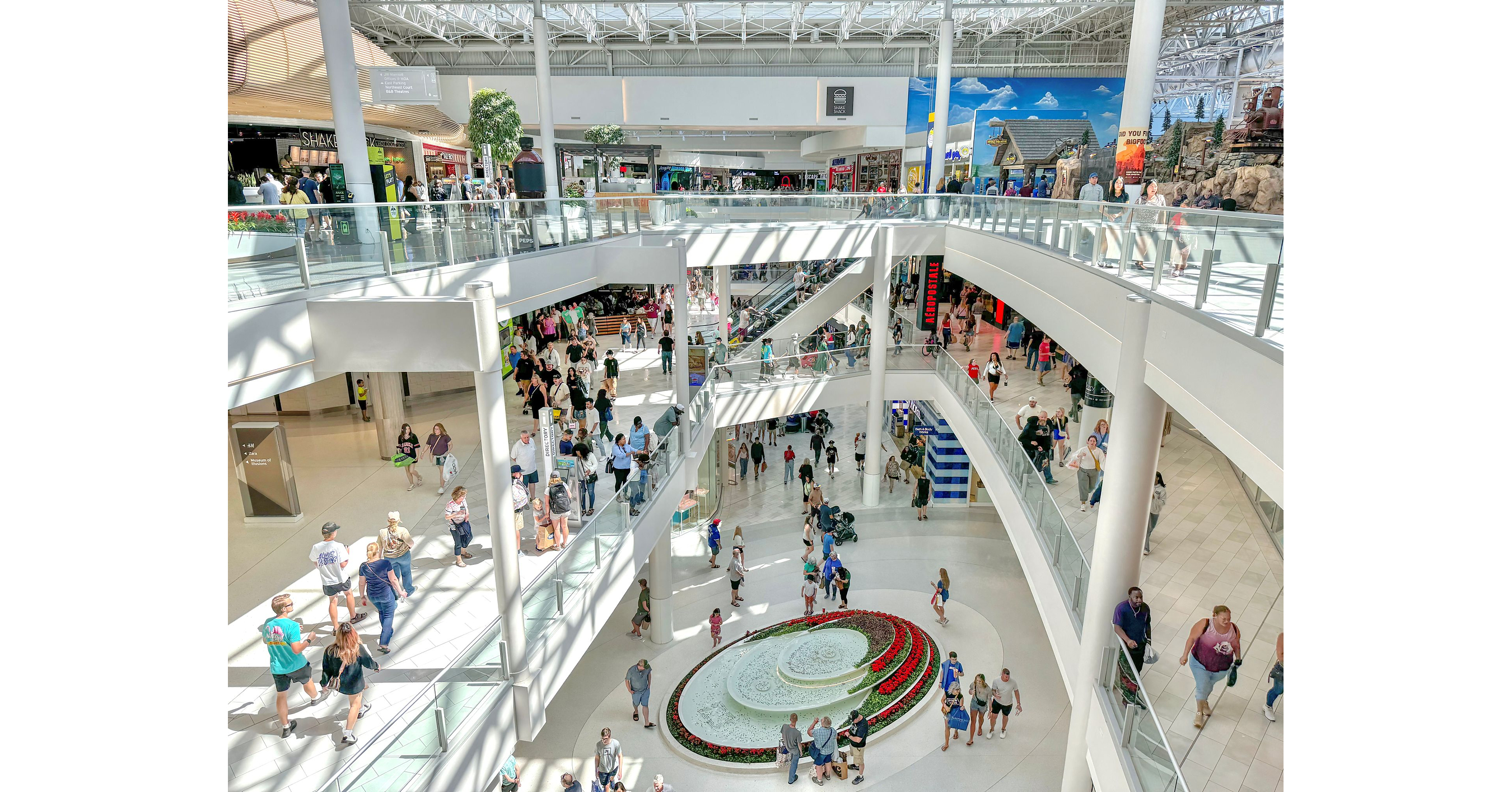
A Mall of America-commissioned survey of 620+ U.S. shoppers finds back-to-school demand is still resilient: 97% plan to shop in-store either exclusively or alongside online, and 54% expect to do most shopping at malls. While consumers remain value-conscious (45% cite best deals as top priority), they’re also seeking experiences—66% plan to pair shopping with dining/entertainment and spend is concentrated at $100-$499 per student for 73% of families. Only 10% plan to use AI tools for purchase research, suggesting AI is not yet a major driver of shopping decisions for this category.
This reads less like a broad “retail is healthy” signal and more like evidence that the spending stack still has two layers: value capture and destination capture. That favors mall landlords with strong experiential tenancy and high-income footfall quality, but it also means the incremental dollar likely leaks to off-price, food, and entertainment before it reaches pure-play e-commerce. The second-order winner is the ecosystem around physical shopping—parking, dining, short-stay travel, and mall-anchored brands with promo flexibility—rather than any single retailer.
The contrarian point is that AI is not yet a material shopping-displacement threat, so the market may be over-discounting near-term pressure on traditional search and retail-intent advertising. That is modestly constructive for GOOGL’s retail-query monetization, while the bigger competitive threat comes from social discovery, which reallocates spend toward feed-based ad platforms and creators rather than mall or search budgets. On the retail side, the “best value” framing suggests the trade-down cohort still matters more than absolute demand growth; if consumer wallets tighten in late August, off-price and heavily promoted chains should outperform full-price discretionary names.
Time horizon matters: this is a sentiment read for the next 1-3 months, not a fundamental step-change. The thesis breaks if mall traffic data, tenant sales, or September guidance fail to confirm footfall conversion, or if retailer promotions intensify enough to pull demand online. Over 6-18 months, the structural implication is that physical retail is surviving by becoming a content-and-experience channel, not by winning on transaction convenience.
AI-powered research, real-time alerts, and portfolio analytics for institutional investors.
Request DemoOverall Sentiment
mildly positive
Sentiment Score
0.12
Ticker Sentiment
