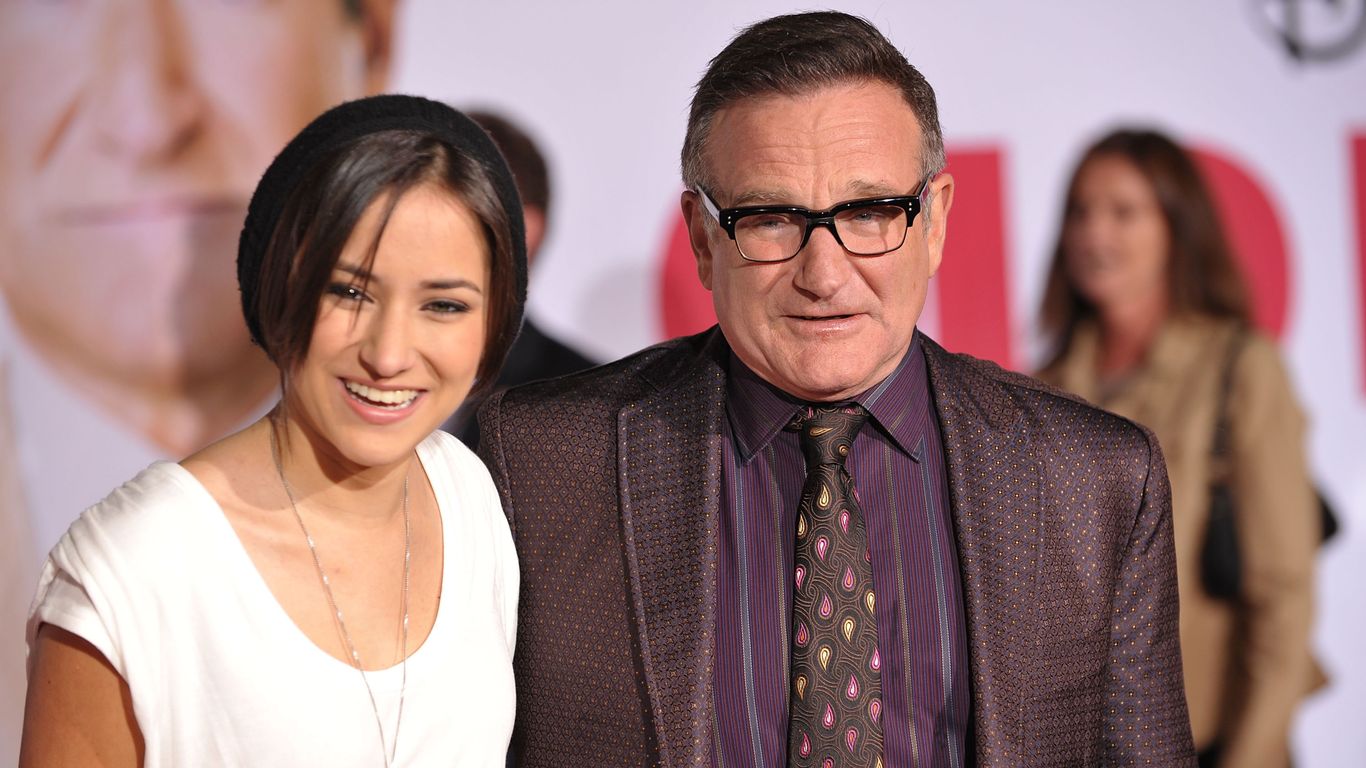
Families of deceased public figures, including Robin Williams and George Carlin, are challenging OpenAI over the unauthorized use of their loved ones' likenesses in AI-generated videos on the Sora platform. This conflict highlights a significant and emerging legal and ethical battleground for generative AI, pitting intellectual property rights and legacy preservation against OpenAI's stance on "strong free speech interests" and its potential monetization of deceased individuals' likenesses. The dispute underscores the increasing regulatory and litigation risks for AI companies as they navigate the "ask forgiveness, not permission" approach to content generation and likeness ownership.
Families of deceased public figures, including Robin Williams and George Carlin, are challenging OpenAI over the unauthorized use of their loved ones' likenesses in AI-generated videos on the Sora platform. OpenAI defends its position by citing "strong free speech interests" but offers a limited opt-out for "recently deceased" individuals, a term it has not clearly defined. This creates a significant legal and ethical conflict regarding intellectual property and legacy rights. The families describe the deepfakes as "disgusting, over-processed hotdogs" and "TikTok slop puppeteering," highlighting the emotional distress and perceived desecration of their loved ones' legacies. This dispute underscores a growing legal battleground for Big Tech, where companies like OpenAI are perceived to be adopting an "ask forgiveness, not permission" strategy, potentially monetizing deceased individuals' likenesses. The release of Sora 2, enabling hyperrealistic 10-second videos, has reignited critiques from Hollywood, echoing concerns raised during the 2023 SAG-AFTRA strike. OpenAI CEO Sam Altman acknowledged the rapid rollout and potential for "missteps," indicating an awareness of the evolving landscape and the need for quick adjustments. The overall sentiment surrounding this development is strongly negative, reflecting increased regulatory and litigation risks for AI companies.
AI-powered research, real-time alerts, and portfolio analytics for institutional investors.
Overall Sentiment
strongly negative
Sentiment Score
-0.75
Ticker Sentiment
