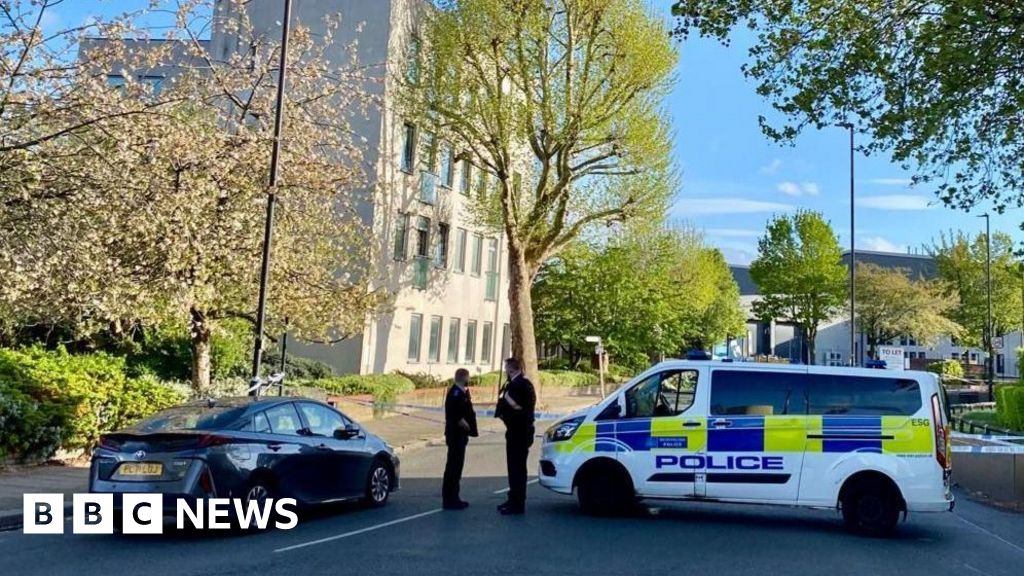
Three people, including two Watford men aged 21 and 19 and a 16-year-old boy, were charged with arson with intent to endanger life over an attempted attack on Volant Media's Persian-language media offices in north-west London. No injuries or property damage were reported, and two nearby buildings were briefly evacuated before reopening. The case is proceeding to the Old Bailey on 15 May, with one defendant also charged with dangerous driving.
This is not a direct earnings/event shock, but it does raise the probability of a short-lived operational and reputational overhang for publicly listed media and telecom-adjacent names with exposure to politically sensitive content distribution. The market usually underprices the second-order cost: incremental security spend, tighter insurance terms, and management distraction tend to show up over the next 1-2 reporting cycles rather than immediately in headline P&L. For any operator with London studios, broadcast infrastructure, or editorial facilities, the real risk is not physical damage but a step-up in fixed costs and a small but persistent drag on margins.
The bigger implication is geopolitical spillover into asset-specific risk premia. When a media outlet is perceived as a proxy target, the read-through broadens to other diaspora-language broadcasters, satellite distributors, and cloud/colocation vendors serving them; that can pressure valuation multiples even if revenue is unchanged. In stressed tape, investors tend to de-risk first from names with high ad/sponsorship concentration and weak balance-sheet flexibility, because they are least able to absorb a permanent security-cost increase.
The contrarian view is that the market may overreact on anything with even a faint media-security nexus, creating entry points in stronger platforms that have no meaningful operational exposure. The incident itself was contained quickly, which reduces the chance of a sustained disruption cycle; absent follow-on arrests or a credible campaign pattern, the event should fade into a one-off risk premium rather than a structural demand destroyer. The more durable trade is around perception: if management teams respond with visible security upgrades, investors should expect near-term margin pressure but less tail-risk discount over time.
AI-powered research, real-time alerts, and portfolio analytics for institutional investors.
Request DemoOverall Sentiment
moderately negative
Sentiment Score
-0.35
