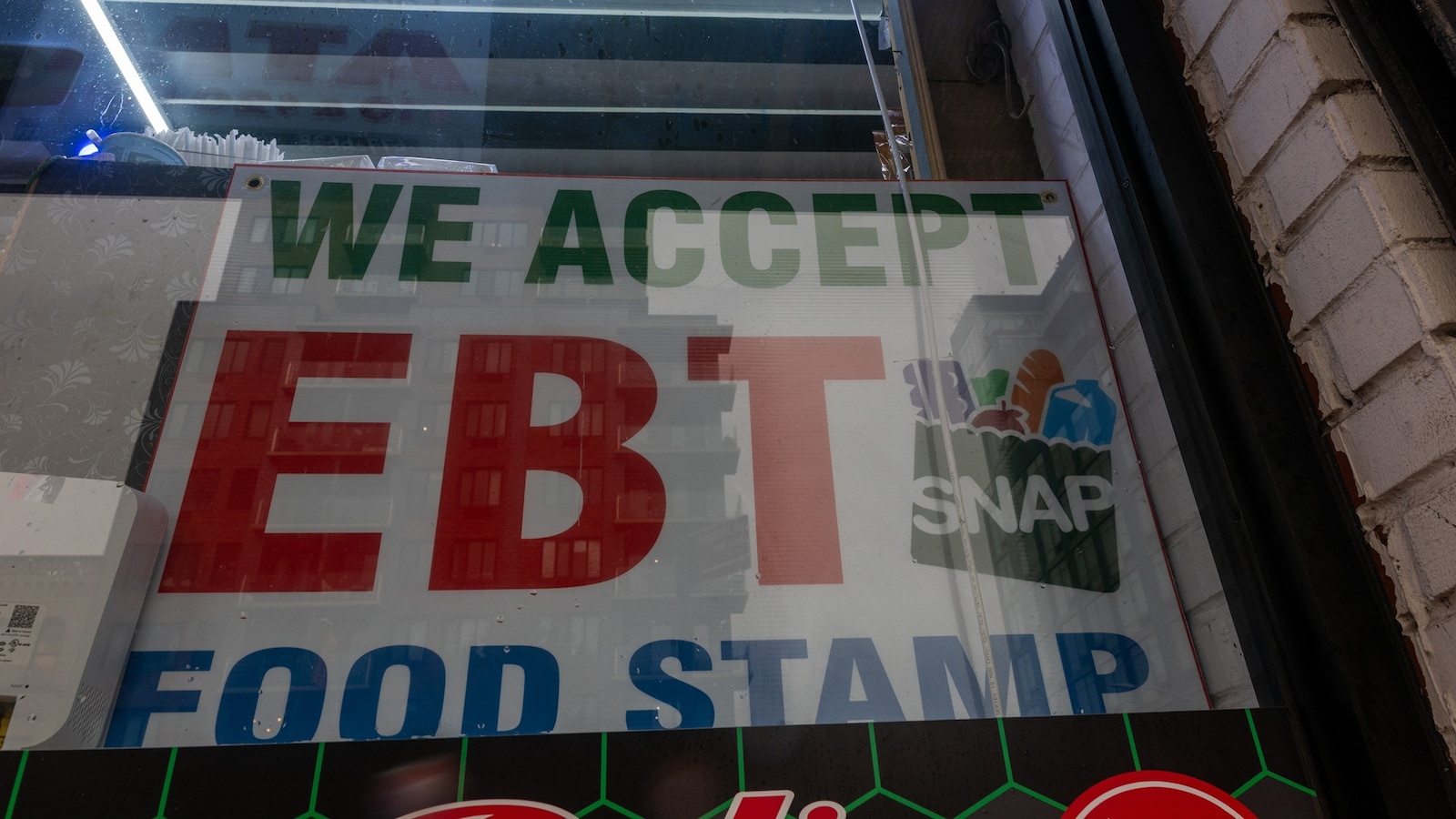
The ongoing government shutdown has halted federal funding for the Supplemental Nutrition Assistance Program (SNAP), impacting 42 million low-income Americans as $9.5 billion in benefits ran dry, while federal judges have issued conflicting rulings on the legality of suspending payments. In response, numerous states have launched contingency plans, collectively allocating hundreds of millions of dollars from their own budgets to food banks and direct assistance programs to mitigate the immediate crisis, underscoring the fiscal pressure on state governments and the potential for localized economic disruption.
The ongoing government shutdown has led to the cessation of federal funding for the Supplemental Nutrition Assistance Program (SNAP), affecting approximately 42 million low-income Americans, including 16 million children, as $9.5 billion in benefits ran dry. This immediate halt in federal disbursements creates significant financial hardship for a vulnerable demographic reliant on these funds for food security. Legal clarity surrounding the funding suspension remains ambiguous, with conflicting federal judicial rulings; a Rhode Island judge ordered continued funding, while a Boston judge deemed the suspension unlawful but declined an immediate funding order. The Trump administration cited legal uncertainty regarding its authority to disburse funds during the shutdown, highlighting a political and legal impasse. In response, numerous states have initiated contingency plans, collectively allocating hundreds of millions of dollars from their own budgets or utilizing existing funds like Temporary Assistance for Needy Families (TANF) carryovers. Examples include California's $80 million allocation and New York's $65 million, underscoring the significant fiscal pressure shifted onto state governments to mitigate the immediate crisis. This decentralized response highlights the varying impact across states, depending on their fiscal capacity and political will to intervene. While states are stepping in, the situation signals potential for localized economic disruption due to reduced consumer spending on essential goods, particularly in areas with high SNAP beneficiary concentrations, and increased strain on state budgets.
AI-powered research, real-time alerts, and portfolio analytics for institutional investors.
Overall Sentiment
mixed
Sentiment Score
-0.15
