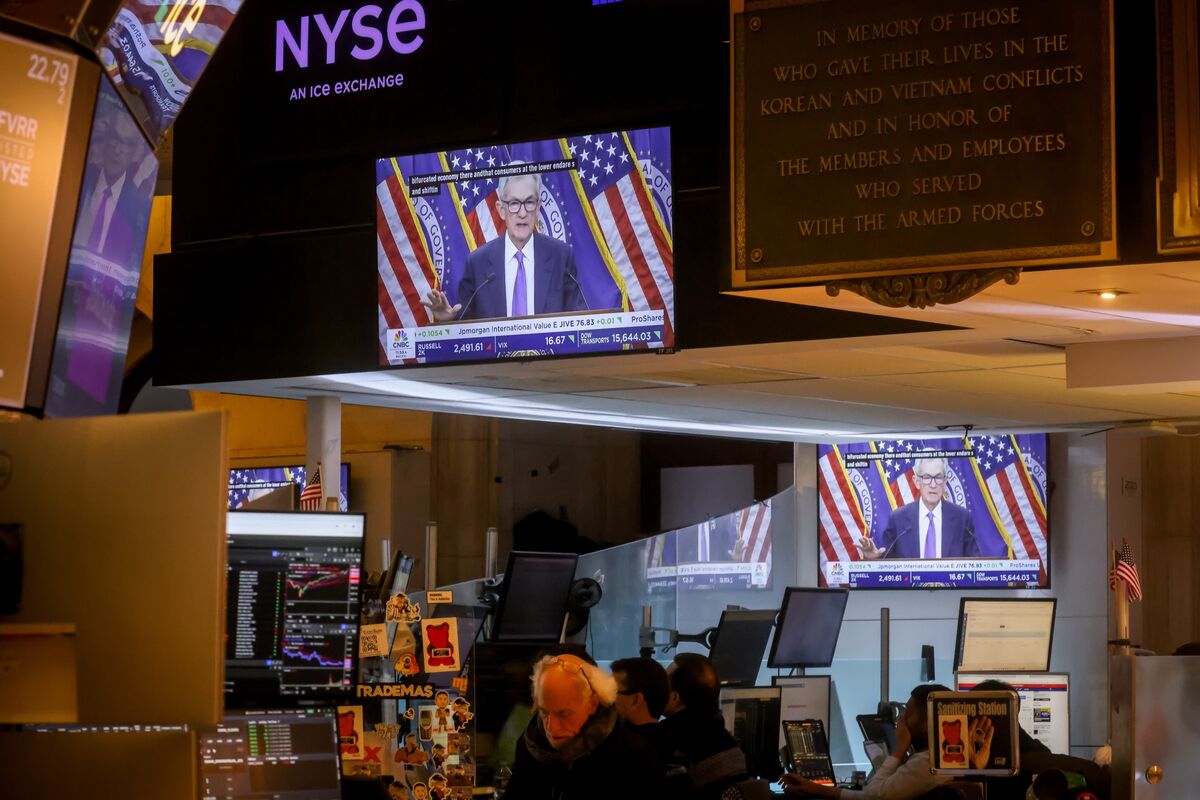
Traders have aggressively piled into Fed-rate futures, producing back-to-back record daily volumes in the January contract and a surge in new positions that pushed market-implied odds of a 25bp Fed cut in December to roughly 80% from about 30% days earlier. The rapid repricing toward a dovish outcome should support US bond prices and will be a key driver for duration exposure, FX and other rates-sensitive assets heading into the Fed meeting.
Market structure: The surge in Fed-futures positioning means immediate winners are long-duration rates instruments (TLT, IEF), interest-rate sensitive sectors (VNQ, XLU) and safe-haven gold (GLD); losers include short-duration cash/money-market yields and regional banks (KRE) that benefit from higher short rates. Heavy concentration in the January contract compresses term premium and raises sensitivity to a small data surprise—liquidity in futures will amplify moves and create fast, large P&L for levered players. Cross-asset: dollar likely to weaken on a confirmed cut (pressuring UUP), risk assets and commodities should rally, and rate/option volatility will compress sharply unless the cut is repriced out.
Risk assessment: Primary tail is a “no-cut” shock from sticky PCE/jobs that re-prices cut odds from 80% back to <30% and could spike 2y yields 30–75bps in days, forcing margin calls on crowded short-rate positions. Immediate (days): vol compression and rebalancing flows; short-term (weeks): FOMC, CPI, payrolls will be key catalysts; long-term (quarters): persistence of inflation determines whether cuts are sustained or reversed. Hidden dependency: large futures positioning creates nonlinear gamma risk—small bad news can cascade via forced liquidation; monitor futures open interest, options skew and dealer inventory.
Trade implications: Tactical plays—buy 7–10yr exposure (IEF) and selective long TLT for duration, favoring allocations that expect a 20–40bps 10y move lower over 1–3 months; implement a 2s/10s steepener synthetically (long ZN, short ZT matched DV01) into Dec FOMC as 2y should fall more on a cut. Use options protection: buy TLT put spreads or TY 10-year put options (30–45 day, 10–25bps OTM) sized 0.5–1% NAV to guard vs a surprise hawkish repricing. Rotate into REITs (VNQ) and GLD for 3–6 months funded by trimming KRE and short-term cash instruments.
Contrarian angles: The market may be overpricing an 80% cut probability—historically when cuts become consensus the risk of a violent opposite move increases (see 2018–2019 intraday reversals). Crowded January futures open interest and record volumes suggest liquidity fragility; prefer asymmetric trades (modest long duration + cheap, short-dated put protection) over naked carry. Consider relative-value plays: buy agency MBS vs same-duration Treasuries if swap spreads widen on dealer hedging, and avoid large one-way levered positions into FOMC windows.
AI-powered research, real-time alerts, and portfolio analytics for institutional investors.
Request DemoOverall Sentiment
moderately positive
Sentiment Score
0.45
