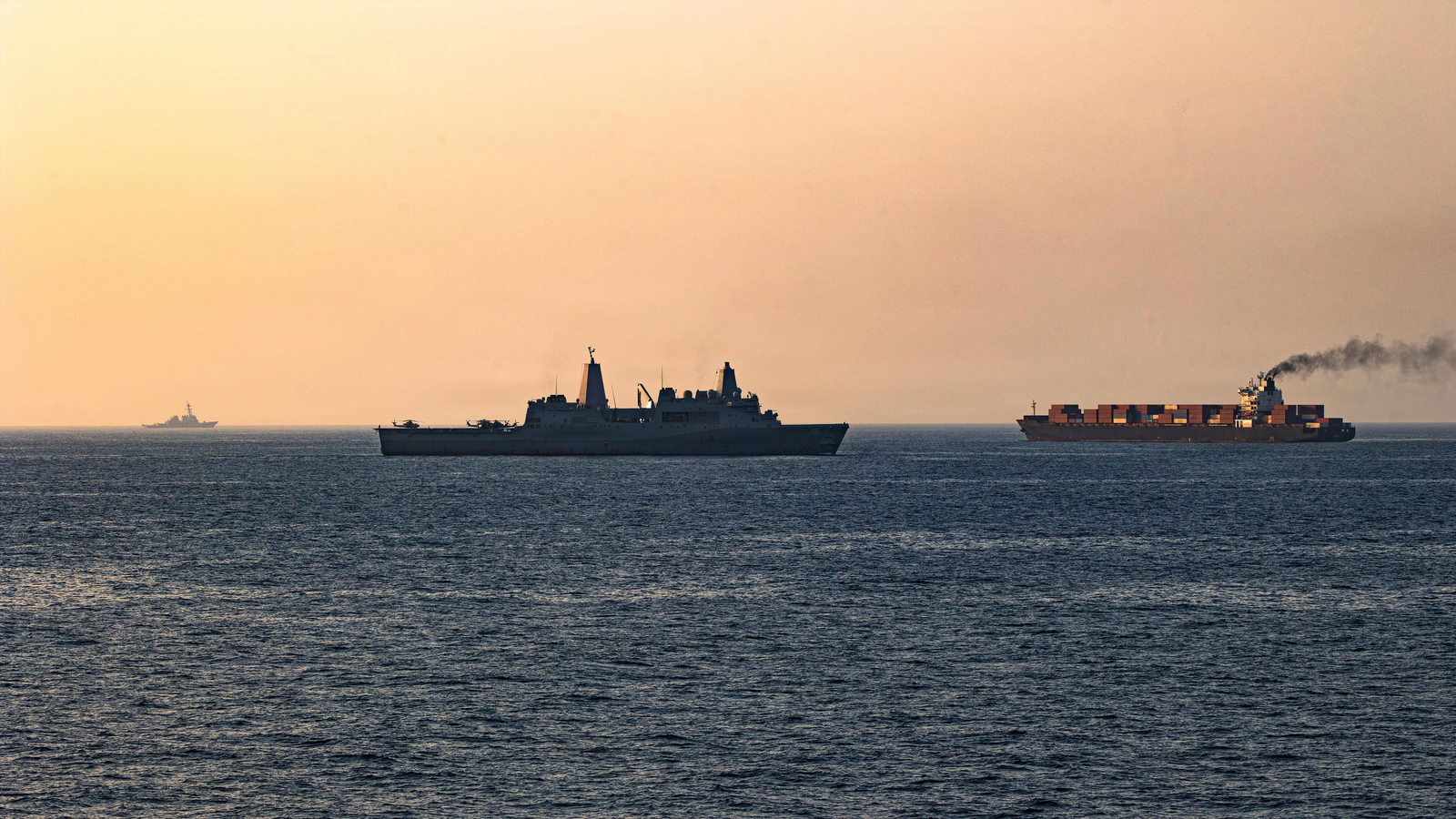
German Chancellor Friedrich Merz said the U.S. has 'no strategy' on Iran and warned that an entire nation is being humiliated by Iranian state leadership, while noting Europe could help reopen the Strait of Hormuz after fighting ends. The remarks underscore elevated geopolitical तनाव around Iran and the risk of disruption to a critical global oil shipping chokepoint. Market implications are broad, with potential pressure on risk assets, energy prices, and FX if tensions escalate.
The market is still underpricing the asymmetry in Hormuz risk. Even a modest, temporary disruption would not need a full closure to matter: the marginal barrel is what sets the clearing price, so a 10-15% reduction in effective transit can create a much larger price move than the headline suggests. That makes the first beneficiaries less about headline oil beta and more about names with low operating leverage to crude and direct exposure to shipping, insurance, and regional defense logistics.
The second-order effect is in FX and rates. A sustained energy shock tends to widen the U.S. external deficit narrative while improving terms of trade for commodity exporters and pushing frontier EM financing conditions sharply worse; high-beta importers in Asia are the cleanest short candidates if the situation escalates. In equities, the more important loser may be industrial cyclicals and airlines, where fuel-cost pressure hits within days but demand destruction takes weeks to show up in consensus estimates, creating a window for multiple compression before earnings revisions arrive.
The biggest tactical trap is assuming de-escalation means instant mean reversion. If Washington is perceived as negotiating from weakness, risk premia can stay elevated even after headlines improve, because shipping, refinery, and inventory behavior change with a lag of several weeks. Conversely, a credible diplomatic channel or visible corridor security plan would likely cap the move quickly, so timing matters more than direction here.
Contrarian view: the reaction may be too broad if traders are extrapolating a full supply shock. Iran’s leverage is strongest when it threatens uncertainty rather than when it fully executes disruption; partial containment could leave crude elevated but not catastrophic, which would punish crowded hedges and energy shorts while not fully rewarding outright long-oil expressions. The cleanest edge is in relative-value positioning across sectors and regions, not a simple beta long.
AI-powered research, real-time alerts, and portfolio analytics for institutional investors.
Request DemoOverall Sentiment
moderately negative
Sentiment Score
-0.45
