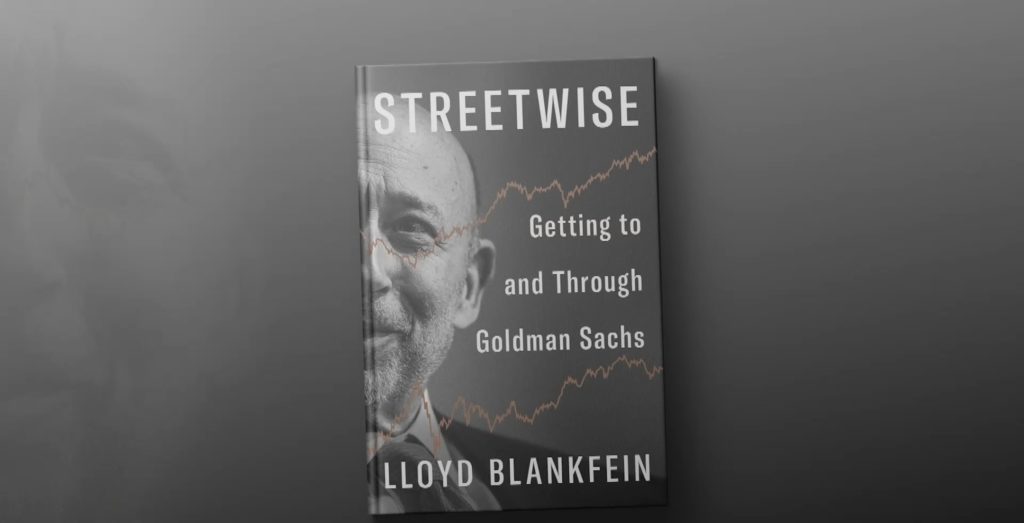
Markets sold off sharply amid renewed escalation around Iran and a jump in oil prices, with Lloyd Blankfein warning that a sustained disruption (e.g., closure of the Straits of Hormuz) would lift inflation and cause broader dislocation. He expects the Fed to cut rates at some point but flags the risks of politicizing Fed independence, while noting incoming fiscal stimulus (a large spending bill and heavy A.I. investment by hyperscalers) and solid GDP/employment readings that have benefited asset holders and widened wealth gaps since 2008.
Market structure: Short-term winners are energy producers, defense suppliers, large diversified banks (GS) and AI-capex suppliers; losers are oil-sensitive consumers and airlines. A sustained oil move (+$10/bbl) would likely add ~0.15–0.25% to CPI over 3–6 months, transferring purchasing-power risk into bond yields and commodity real returns. Cross-asset: risk-off swings will bid USTs and the USD but an oil-driven inflation scare would push term premia higher and lift TIPS and gold.
Risk assessment: Tail scenarios include a Straits of Hormuz closure (low-probability, high-impact) that could lift Brent by +$30–60 in weeks and force persistent inflation, or political erosion of Fed independence that could raise term premia +50–150bps over months. Immediate (days) = volatility spikes; short-term (weeks–months) = oil re-pricing and Fed pricing adjustments; long-term (quarters) = fiscal/AI stimulus and asymmetric asset gains. Hidden dependency: AI hyperscaler capex acts like fiscal stimulus—benefiting semis and data-center supply chains—while leaving non-asset households behind.
Trade implications: Favor overweight energy (XOM/CVX or XLE), buy-duration via Fed-cut-conditional trades (long 2–5yr Treasuries if cuts priced), and hedge inflation with 5–7yr TIPS and gold. Tactical pair: long GS vs short regional banks (KRE) to capture fee/diversification premium and deposit fragility. Use options for convexity: buying 3–6 month OTM calls on energy and 1–3 month protective puts on consumer discretionary/airline exposure.
Contrarian angles: Consensus treats a short regional conflict as transitory; it underprices the Fed-independence risk and the stimulative effect of large AI capex. If oil normalizes quickly, cyclicals and banks should rebound — position size accordingly. Historical parallel: 1990 Gulf conflict saw short oil spike then accelerated tech/capex; an opposite outcome (protracted supply shock) would favor real assets and inflation-linked bonds.
AI-powered research, real-time alerts, and portfolio analytics for institutional investors.
Request TrialOverall Sentiment
mixed
Sentiment Score
-0.05
Ticker Sentiment
