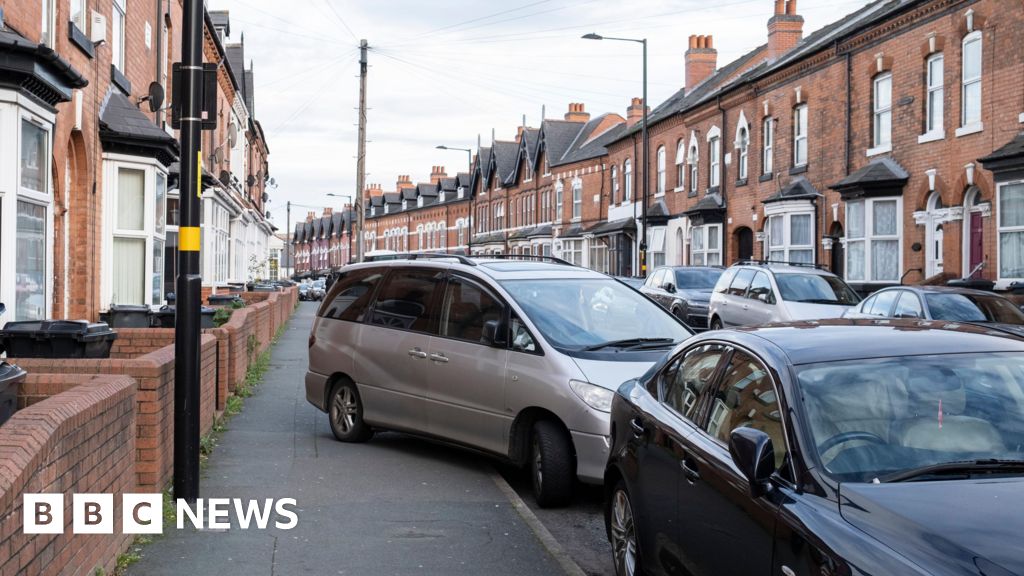
The UK government will give councils across England new powers, expected later this year, to fine motorists who cause "unnecessary obstruction" by parking on pavements without requiring additional signage; the definition of obstruction will be left to council enforcement officers. The move, contrasted with outright bans in London and Scotland, follows a consultation that split on a proposed 20-minute delivery exemption and raises potential for uneven local enforcement and operational impacts on delivery fleets and local businesses, but carries minimal direct market implications.
Market structure: Councils gain modest new revenue and enforcement scope; incremental fines nationally are likely small (order £10–100m/year) but create steady, local cash flows and procurement opportunities for outsourced municipal-services firms. Winners include parking-management and local government outsourcers (e.g., CPI.L, SRP.L) and last‑mile infrastructure/locker providers (INPST.AS, AMZN) as delivery patterns shift; traditional parcel carriers operating low-margin local networks (RMG.L) face pricing pressure and operational re-routing costs of ~1–3% of last‑mile spend. Risk assessment: Short-term tail risks include legal challenges, inconsistent enforcement by councils, and public backlash that could delay rollout; medium-term (3–12 months) the main risk is patchwork adoption reducing scale economies. Hidden dependencies: enforcement efficacy depends on council headcount, tech integration and political cycles (local elections), so adoption will be lumpy; a national statutory definition (possible within 12–24 months) is the key catalyst. Trade implications: Favor small, event-driven longs in municipal outsourcing (2–3% positions split CPI.L/SRP.L) ahead of tender windows over 3–12 months, and logistics-infrastructure longs (INPST.AS, AMZN) vs shorts in legacy parcel operators (RMG.L) as a 6–12 month pair. Use defined‑risk option structures (6–9 month call spreads) to express upside in logistics tech while capping premium loss; wait 30–90 days for initial statutory guidance and first tender announcements before scaling. Contrarian angles: Consensus overstates immediate revenue upside to councils and understates enforcement inconsistency; policy could spur modal shift (more walking, micromobility, lockers) reducing private car curb demand over years—benefitting micro‑fulfilment and locker plays rather than fines collectors. Historical parallels (targeted congestion/parking reforms) show technology providers capture most value, not municipalities, so overweight tech-enabled logistics and underweight legacy carriers longer term.
AI-powered research, real-time alerts, and portfolio analytics for institutional investors.
Request DemoOverall Sentiment
neutral
Sentiment Score
0.00
