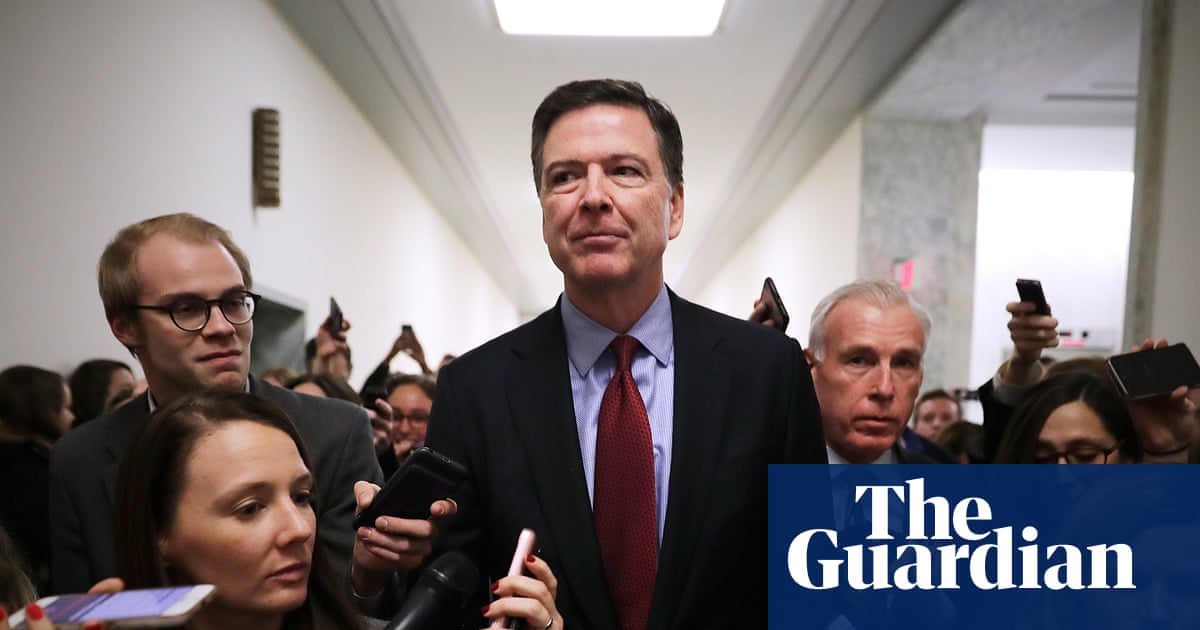
The article is dominated by legal and political developments, led by new criminal charges against former FBI director James Comey for allegedly threatening the president via an Instagram post. It also notes King Charles’s speech backing NATO, Ukraine defense and climate action, plus Disney’s rollout of facial recognition and broader concerns about privacy and surveillance. The rest of the piece is a news roundup with limited direct market relevance.
The most investable read-through is not the legal headline itself, but the deterioration in institutional trust it signals. For Disney, the facial-recognition rollout is the cleaner direct monetization story: even modest adoption can improve throughput, reduce fraud, and create a durable data asset, but it also increases regulatory and reputational optionality risk in a world where consumer privacy backlash tends to arrive late and then reprice quickly. Competitively, theme parks and live events that adopt biometric entry first may gain a small but meaningful friction advantage versus peers that stay manual, especially in peak periods where line efficiency directly affects per-capita spend.
The political/legal backdrop is a latent volatility generator rather than a near-term earnings event. High-profile prosecutions and election-adjacent judicial fights raise the odds of retaliatory policy swings, investigations, and document/permit delays across sectors exposed to Washington, with media, tech, and consumer platforms most vulnerable to headline risk. The second-order effect is that companies with large public-facing data footprints may face broader scrutiny even if they are not the target of current enforcement, especially as biometrics and AI safety become adjacent policy issues.
The clean contrarian angle on DIS is that facial recognition may be a net positive over a 12-24 month horizon if implementation stays voluntary and visibly improves guest experience; the market likely overweights privacy headlines versus the operational lift. The better risk is to own the franchise but hedge event-driven downside, because any misuse incident or state-level restriction could force a rollout pause and compress the multiple quickly. The broader lesson is to favor businesses that benefit from tighter identity verification, while avoiding names where trust is the core product and data collection is central to the customer relationship.
AI-powered research, real-time alerts, and portfolio analytics for institutional investors.
Request DemoOverall Sentiment
mildly negative
Sentiment Score
-0.15
Ticker Sentiment
