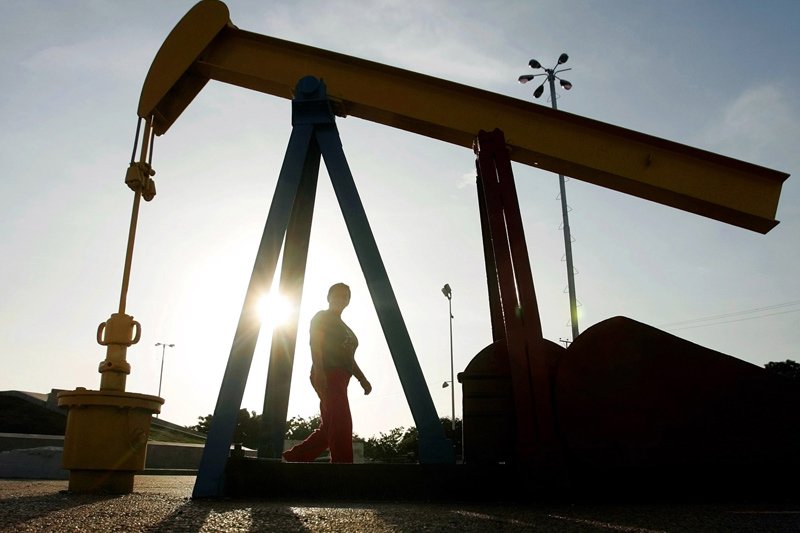
BofA cut Royal Caribbean’s price target to $310 from $330 and trimmed its 2026 EPS estimate to $16.95 from $18.00, citing yield pressure and higher fuel costs tied to the Iran conflict. Q1 2026 net yields rose 1.9% and EPS came in at $3.23, in line with guidance, but the outlook was weakened by a 50 bps reduction in 2026 net yield forecast to 2.0%. The company also completed a $2.5B senior notes offering, while cruise shares remain sensitive to crude oil and Middle East geopolitical developments.
The immediate read-through is not “cruise demand is broken,” but that pricing power is becoming more cyclical and more energy-sensitive just as the sector had been leaning on premium yield expansion to justify elevated multiples. If fuel stays contained and geopolitics de-escalate, the market can quickly re-rate the entire group because operating leverage is still high; but if oil retraces higher or the Middle East headline risk persists, the next 1-2 quarters likely see estimate cuts cascade through the space as higher fuel and promotional activity hit margins simultaneously.
RCL looks like the cleanest expression of this tension because it is still priced for above-trend execution while consensus is quietly drifting down. The more interesting second-order effect is not just lower earnings, but a likely shift in capital allocation: recent debt issuance gives management more balance-sheet flexibility, yet it also increases the likelihood that buybacks remain muted if yield pressure persists, removing an important support for the stock. That matters because in a crowded “reopening winners” pocket, the absence of repurchase demand can accelerate multiple compression on any miss.
The relative winner is probably NCLH over the next several months if investors want upside from the same macro without paying the richest multiple, since the market has already conditioned itself to expect more volatility there. CUK has the most room for sentiment-driven catch-up, but the operating quality is still lower, so that is a trade, not an investment. The contrarian miss is that lower crude is not only a cost tailwind; it also reduces headline pressure on consumer discretionary budgets, which could support booking curves and onboard spend into late summer if the ceasefire holds for more than a few weeks.
AI-powered research, real-time alerts, and portfolio analytics for institutional investors.
Request TrialOverall Sentiment
mildly negative
Sentiment Score
-0.15
Ticker Sentiment
