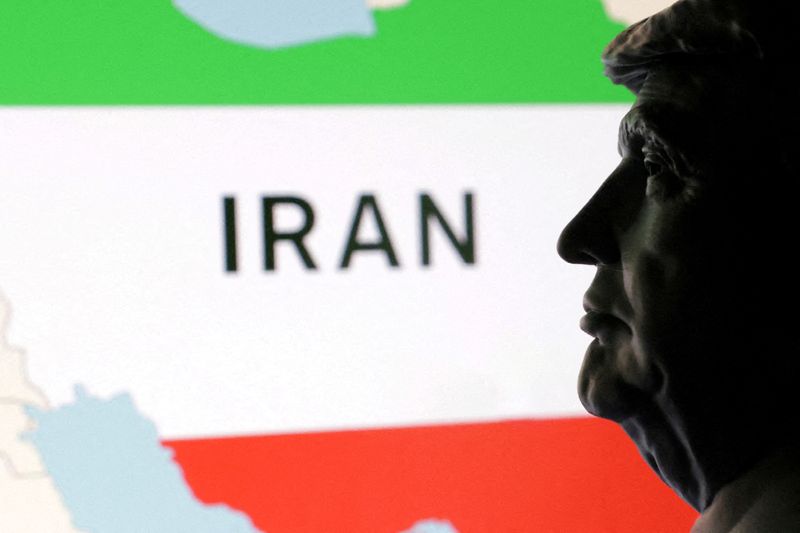
Iran’s Imam Khomeini International Airport has resumed operations, but the broader conflict remains highly disruptive, with fewer than 5 ships crossing the Strait of Hormuz in the last 24 hours versus a pre-war average of 130 per day. U.S. naval blockades and stalled diplomacy are keeping energy markets on edge, with Brent crude trading above $105 per barrel. The conflict has already cost over 5,000 lives and pushed U.S. gasoline prices to multi-year highs, creating a significant market-wide risk premium.
The market is still underpricing how quickly a sustained choke point in Hormuz transmits from oil into broader macro volatility. The first-order move is obvious in crude and fuel, but the second-order effect is a forced re-pricing of inflation expectations, freight rates, and airline/chemicals margins within days, not months. That creates a temporary regime where “good geopolitics news” and “good risk assets news” are the same trade: any credible de-escalation should compress energy beta, front-end breakevens, and defense premia almost simultaneously.
The biggest beneficiary set is not just upstream energy but anything with physical optionality and inventory leverage: integrated oil, LNG-linked names, tanker exposure if rerouting persists, and select refiners if feedstock differentials widen faster than product demand weakens. The hidden loser is the consumer discretionary complex through gasoline and diesel pass-through; even a modest $0.30-$0.50/gal rise typically dents real spending with a 2-6 week lag, which is why retail and travel should be the cleaner short than industrials. Defense shares may also become a crowded hedge if investors extrapolate a prolonged conflict, but the actual incremental spend tends to be delayed, so the near-term trade is more about sentiment than fundamentals.
The contrarian risk is that the blockade creates a policy trap: once pain becomes visible in U.S. fuel prices and global shipping, pressure for a deal rises sharply, and the unwind in risk premium can be violent. In that case, energy equities can lag crude on the way down because they have already repriced some scarcity, while airlines, chemicals, and transports can snap back faster. The key timing distinction is that geopolitical headlines move in hours, but corporate guidance changes in weeks; that gap is where mispricing should exist.
The setup favors tactical, not structural, expressions. If talks in Islamabad fail, the next leg is likely a fast volatility spike rather than a straight-line oil rally, so options are preferable to cash equity. If a mediation channel opens, the market should rotate out of energy scarcity and into cyclicals within 1-3 sessions, making pair trades more attractive than outright longs.
AI-powered research, real-time alerts, and portfolio analytics for institutional investors.
Request DemoOverall Sentiment
strongly negative
Sentiment Score
-0.55
