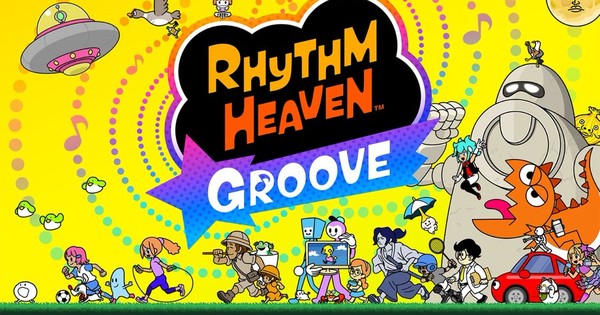
Nintendo will release Rhythm Heaven Groove for Nintendo Switch on July 2 and streamed a clip of the minigame "Slice N Dice Kitchen." The announcement notes the franchise history—Rhythm Heaven Megamix debuted in 2016 and prior Western releases include Rhythm Heaven for DS (2009) and Rhythm Heaven Fever for Wii (2012)—but provides no pricing, sales, or financial guidance.
Small, low-development-cost first-party titles are a classic high-ROIC play for Nintendo: digital-first distribution plus strong nostalgia-driven attach means a modest unit sales outcome can produce outsized margin flow. Model scenarios where 0.5–1.5m paid installs at an average price/net-of-fees of ~$25–35 translate to roughly $12–52m incremental operating profit over 12 months, concentrated in cash and low capex — enough to tweak quarterly margins but not to move headline revenue materially.
Second-order winners are the eShop and catalog economics: a successful niche release increases catalog engagement, lowers future UA costs for similar IP, and creates optionality for remasters/DLC/mobile ports that compound LTV over multiple years. The modest manufacturing footprint (cartridges/packaging) and limited marketing spend mean supply-chain disruption risk is low, but merch/licensing upside is asymmetric and underpriced by markets that focus on AAA launches.
Key catalysts run on short and medium horizons: first-week sell-through and eShop ranking (days), user engagement/time-per-title and DLC announcements (weeks–months), and any cross-platform porting or soundtrack monetization (quarters+). Tail risks are simple: weak player engagement or poor reviews that collapse discoverability — because the title’s economics rely heavily on organic virality rather than paid UA.
The consensus tends to underweight repeatable, low-cost IP plays inside large platform owners; either the market will shrug (underreact) or it will overreact to early digital rank data. That dichotomy creates defined-option trades where limited downside (small-cap hit) offsets a favorable asymmetric upside if the title telescopes into renewed catalog monetization or a mini-franchise revival.
AI-powered research, real-time alerts, and portfolio analytics for institutional investors.
Request DemoOverall Sentiment
neutral
Sentiment Score
0.00
