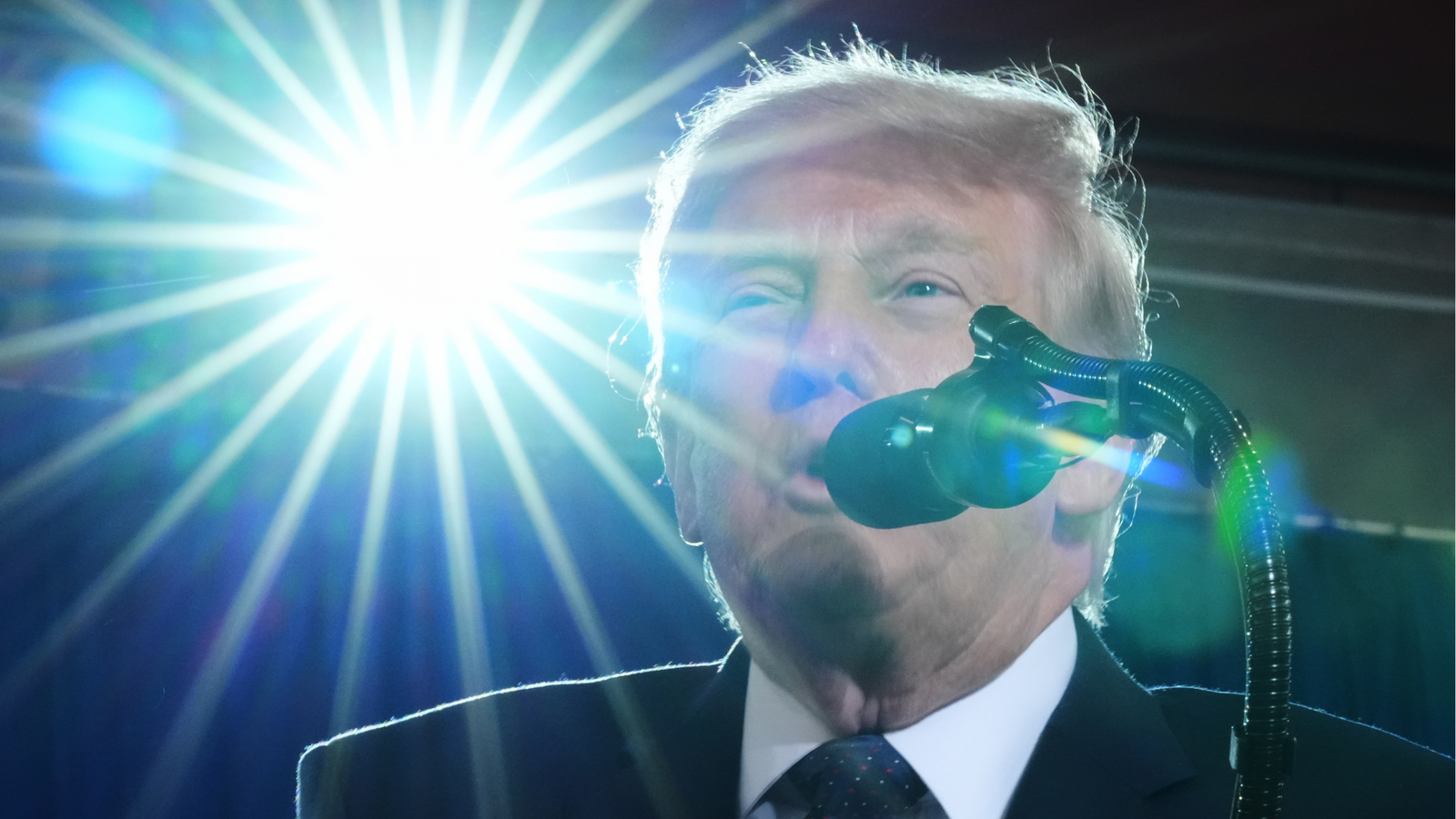
Trump said a U.S.-Iran deal is now "largely negotiated," with final details still pending and the Strait of Hormuz expected to reopen as part of the agreement. Iranian officials said both sides have made progress on many issues, but no final deal is imminent and key terms remain unresolved. The article centers on an active war/ceasefire process and potential shifts in Middle East shipping and energy flows, implying broad geopolitical market impact.
The market should focus less on the headline diplomacy and more on the optionality embedded in any credible opening of the Strait of Hormuz. Even a partial de-escalation path lowers the probability of a supply shock premium in crude, but the first-order reaction may be a sharp fade in geopolitical risk embedded across energy, shipping, and defense names that have been trading on elevated war tail risk. The asymmetry is that peace headlines can remove price support faster than actual barrels return, because traders will de-risk immediately while physical flows normalize only gradually.
The second-order winner is the industrial and transport complex: lower implied oil volatility should compress input-cost hedges, improve airline margins, and ease the discount rate on rate-sensitive cyclicals. The less obvious loser is the group of assets that benefited from a sustained “higher-for-longer” defense and sanctions regime—missile defense, drone countermeasures, and select cyber/security contractors can see multiple compression if the market starts pricing a multi-quarter détente rather than a temporary ceasefire. Any reopening also matters for non-OPEC exporters and Gulf logistics hubs, where volumes can recover faster than U.S. shale can respond, creating a short-lived advantage for trading/transshipment players.
The key risk is that this is still a negotiation with high execution fragility: a breakdown would reprice oil risk quickly, likely within days, while a successful agreement would matter more over months as inventories, tanker rates, and freight insurance reset. The contrarian view is that the market may be underpricing the chance of a deal that is politically durable enough to change sanctions enforcement, which would be more bearish for crude than for defense. However, if details around monitoring, compliance, or maritime security remain vague, the market could whipsaw between relief rally and renewed supply fear without a stable medium-term trend.
AI-powered research, real-time alerts, and portfolio analytics for institutional investors.
Request DemoOverall Sentiment
neutral
Sentiment Score
0.05
