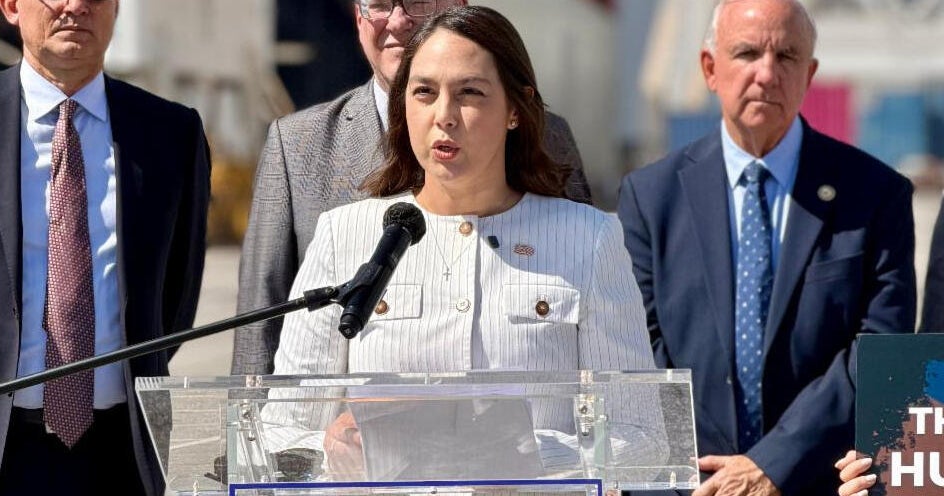
Cuban President Miguel Díaz‑Canel confirmed early‑stage talks with the U.S. amid a worsening energy and humanitarian crisis. Miami‑Dade Commissioner Natalie Milian Orbis and other South Florida lawmakers criticized any deal that would preserve Cuba's one‑party communist system and urged adherence to the LIBERTAD Act. Díaz‑Canel noted such contacts mirror prior Obama‑era discussions and said no formal agreement has been reached.
If incremental engagement progresses, the earliest economics will be in remittances, humanitarian fuel/GENSET deliveries, and agricultural/food exports — categories that require licensing rather than full normalization and can move revenue to a handful of payment processors and commodity exporters within 3–12 months. Because volumes are small relative to global markets (think low single-digit percentages for regional fuel demand), public-market winners are likely to be payment-rail and niche-expo plays rather than majors; the market will extrapolate political normalization into outsized revenue growth unless constrained by law.
A political feedback loop centered in South Florida creates asymmetric policy risk: strong local opposition raises the probability of a legislative or executive clampdown within a 1–6 month window, making any upside from initial deal headlines highly binary. That makes volatility front-loaded to newsflow — short-dated options will likely be mispriced if the street assumes linear de-risking.
Second-order supply-chain effects are subtle but actionable: temporary increases in diesel/distillate and generator demand (weeks–months) favor regional refiners and specialty fuel traders, while sustained licensing for telecom/e-payments would benefit low-capability incumbents more than global tech giants due to onboarding frictions. Finally, election timing in a swing state amplifies the policy tail: any perceived concession that fails to deliver visible political wins at home is likely to be reversed quickly, compressing the time window to monetize positive outcomes.
AI-powered research, real-time alerts, and portfolio analytics for institutional investors.
Overall Sentiment
mixed
Sentiment Score
0.00
