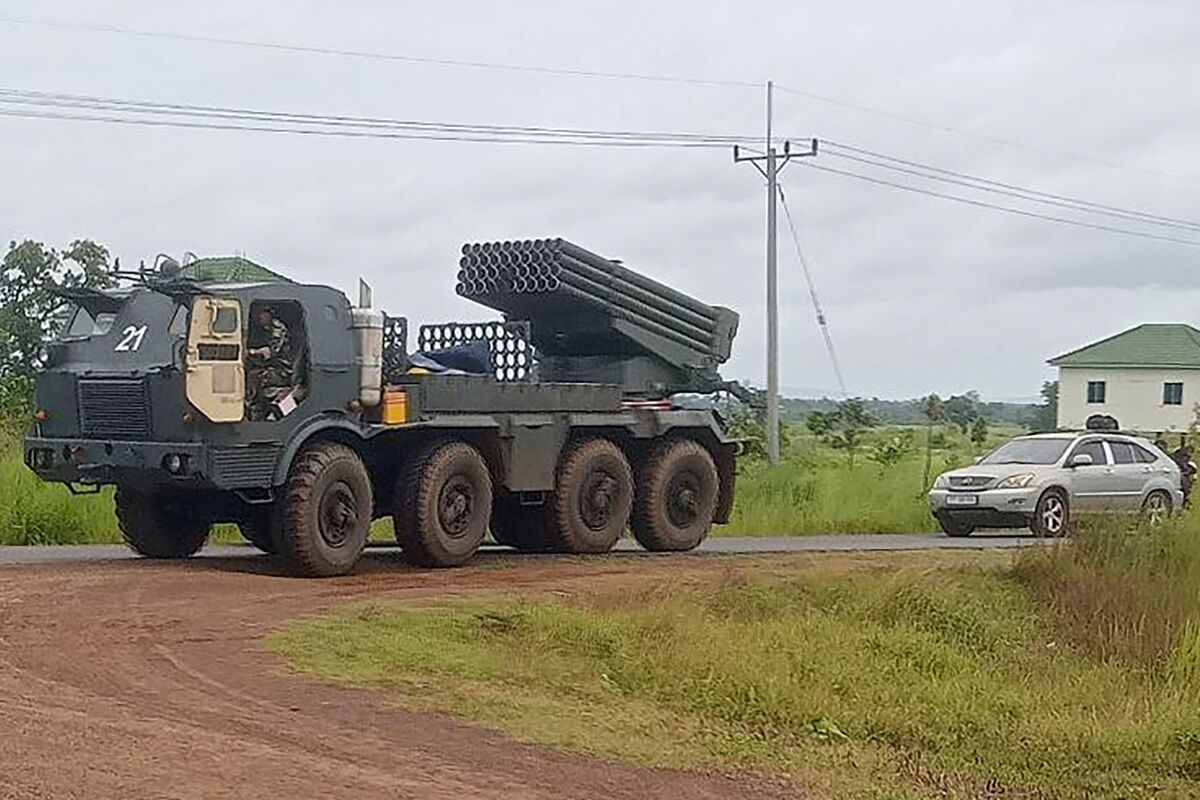
Deadly border clashes erupted between Thailand and Cambodia on July 24, escalating a long-simmering dispute. The conflict, marked by artillery fire and Thai F-16 deployment, represents a significant military escalation with potential implications for regional stability and geopolitical risk.
A long-standing border dispute between Thailand and Cambodia has escalated into a significant military conflict, marked by artillery shelling and the deployment of Thai F-16 fighter jets against Cambodian army bases on July 24. The engagement at multiple spots, including the contested Prasat Ta Muen Thom area, signals a serious deterioration in bilateral relations. While both nations attribute aggression to the other, the use of air power by Thailand represents a material increase in conflict intensity. The situation is characterized by a "strongly negative" sentiment and a "volatile" tone, reflecting high geopolitical risk. However, the low market impact score of 0.35 suggests that, for now, global markets view this as a localized event with limited immediate contagion risk to broader financial systems or major supply chains. The primary impact is concentrated on the sovereign risk profiles of Thailand and Cambodia.
AI-powered research, real-time alerts, and portfolio analytics for institutional investors.
Request DemoOverall Sentiment
strongly negative
Sentiment Score
-0.75
