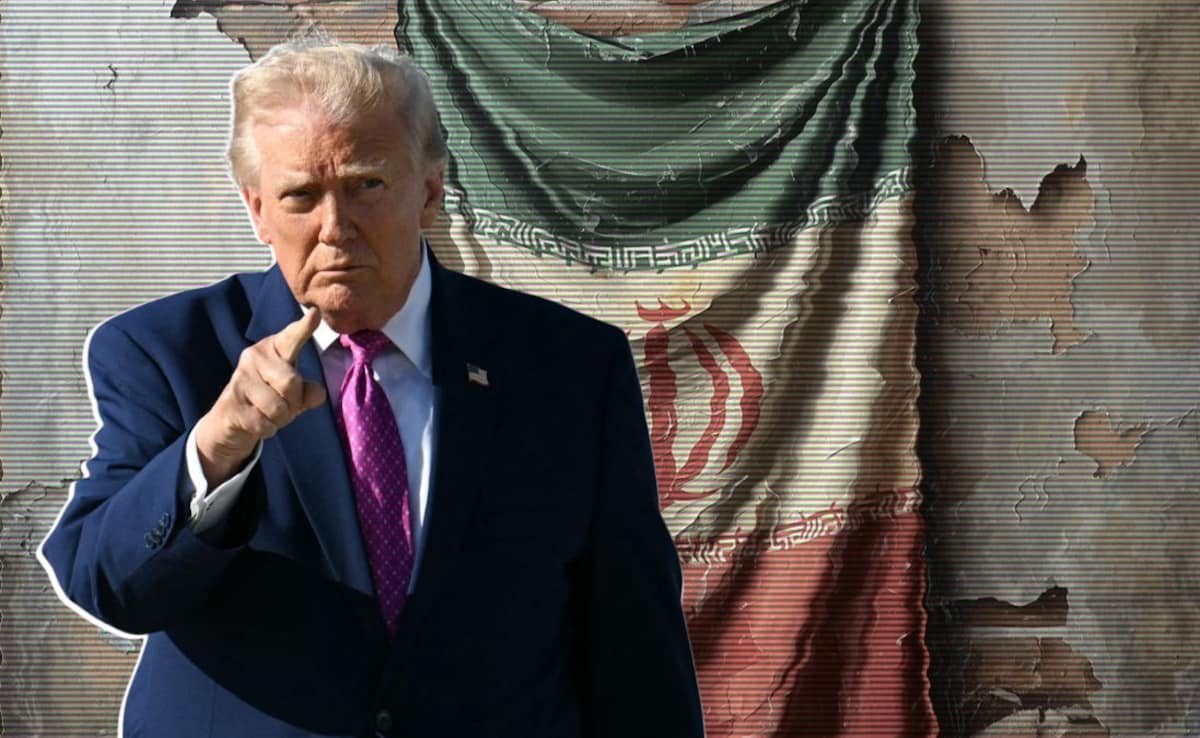
Trump threatened to strike Iran's power plants and bridges unless Tehran accepts a "very fair and reasonable deal," after reports of shots fired near the Strait of Hormuz and renewed threats to shipping. The Strait, which normally carries about one-fifth of global oil and LNG flows, remains closed amid failed negotiations and a ceasefire set to expire Wednesday. The standoff raises immediate risks to energy prices, tanker traffic, and broader global trade flows.
The market’s first-order read is “higher oil,” but the more durable shock is freight and insurance inflation across Asia-Europe routes. A sustained chokepoint closure would force rerouting around the Cape, adding roughly 10-20 days of transit, which ties up working capital, raises charter rates, and creates a lagged squeeze on refiners and industrial importers before it fully shows up in headline energy prices. That tends to benefit the less obvious bottlenecks: tanker owners, marine insurers, and domestic pipeline/logistics operators with limited exposure to seaborne supply.
The biggest near-term loser is not only airlines or chemicals; it is any business with just-in-time inventory and thin gross margins that cannot pass through a 2-6 week input shock. European and Asian downstreams are most exposed because they rely more heavily on imported LNG and Middle East crude, while U.S. Gulf Coast producers and exporters can actually gain optionality if port congestion pushes regional differentials wider. Defense also screens well, but the cleaner trade is infrastructure hardening and domestic transport assets that become more valuable when global shipping reliability deteriorates.
Catalyst risk is binary over days, then convex over months: if negotiations fail by the ceasefire deadline, markets likely gap to a “persistent disruption” regime; if a limited deal restores passage, the unwind could be violent because positioning is likely built for escalation. The consensus may be overestimating how quickly prices normalize even in a partial de-escalation, because physical cargoes already in transit and freight contract repricing lag spot headlines by weeks. The contrarian setup is that oil may not be the best expression; refined products, shipping rates, and industrial supply-chain equities could have better asymmetry than outright crude.
The main upside surprise would be a rapid diplomatic off-ramp plus enforcement credibility that reopens passage without a broader regional strike, which would crush crowded energy longs. But absent that, the market should price a longer-duration logistics tax rather than a one-day crude spike, and that favors relative-value expressions over directional commodity bets.
AI-powered research, real-time alerts, and portfolio analytics for institutional investors.
Request DemoOverall Sentiment
strongly negative
Sentiment Score
-0.75
