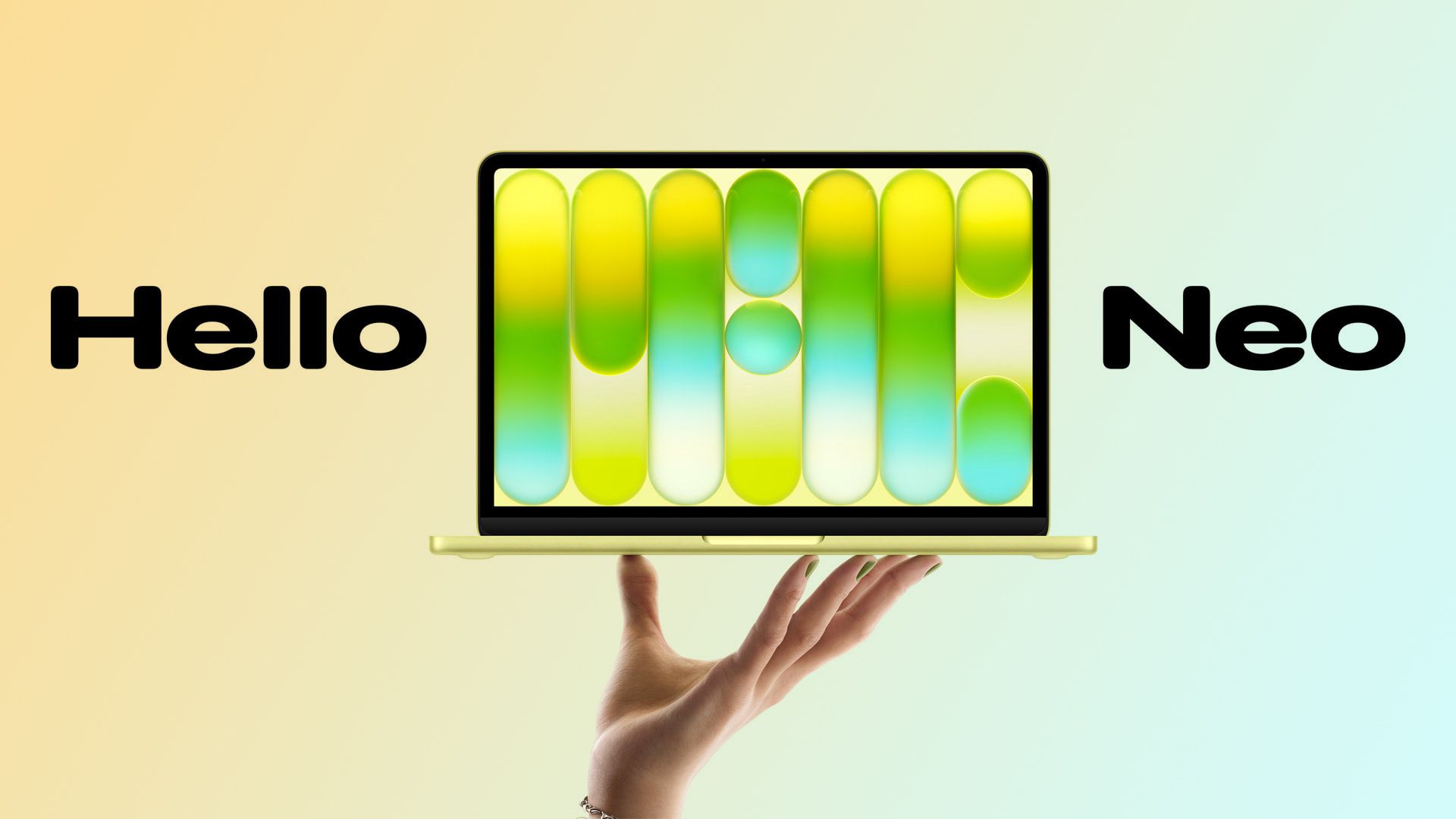
Acer launched the Swift Air 14 at $699, while Qualcomm introduced the Snapdragon C for entry-tier laptops priced at $300 and up, signaling intensified competition in low- to mid-priced PCs. Apple’s MacBook Neo remains a benchmark at $599, or $499 for students, with strong demand noted by Tim Cook as driving record first-time Mac buyers. ASUS said it can learn from Apple’s cost-efficient strategy, underscoring that the Windows PC industry is responding to Apple’s momentum.
Apple is forcing a reset in the low-end Windows ecosystem: once the entry price is anchored by a better-integrated machine, OEMs have to either cut ASPs, compress margins, or spend more on hardware differentiation. That is structurally negative for commodity PC vendors, but the first-order pain is likely worse for the Windows channel than for Intel/Qualcomm silicon suppliers, because OEMs will try to preserve bill-of-materials economics by leaning harder on lower-cost chipsets and bundled configurations rather than aggressively redesigning the platform.
The more important second-order effect is that Apple’s cheaper Mac broadens the installed base of users who are still likely to buy higher-margin accessories, cloud storage, and services over the next 12-24 months. If first-time Mac conversion persists, the lifetime value tradeoff is unusually favorable: Apple can subsidize hardware and still win via ecosystem lock-in, while Windows incumbents face a risk of losing share in the most price-sensitive new-buyer cohort, which is the cohort most likely to become sticky over time.
Qualcomm’s entry-tier push is strategically sensible, but it also telegraphs where the battleground is shifting: not performance leadership, but battery life, thermals, and total system cost. That helps Qualcomm if OEMs adopt the chip broadly, but it pressures Intel’s low-end roadmap if Apple continues to prove that consumers will pay up modestly for better user experience. The contrarian point is that the market may be overestimating near-term share loss for Windows in enterprise, where IT standardization and app compatibility still dominate; the real share erosion is more likely in consumer education and first-time buyers, and that shows up gradually over several product cycles rather than in one quarter.
AI-powered research, real-time alerts, and portfolio analytics for institutional investors.
Request DemoOverall Sentiment
mildly positive
Sentiment Score
0.20
Ticker Sentiment
